28 States, 28 Chutneys: India’s Dips You Cannot Ignore
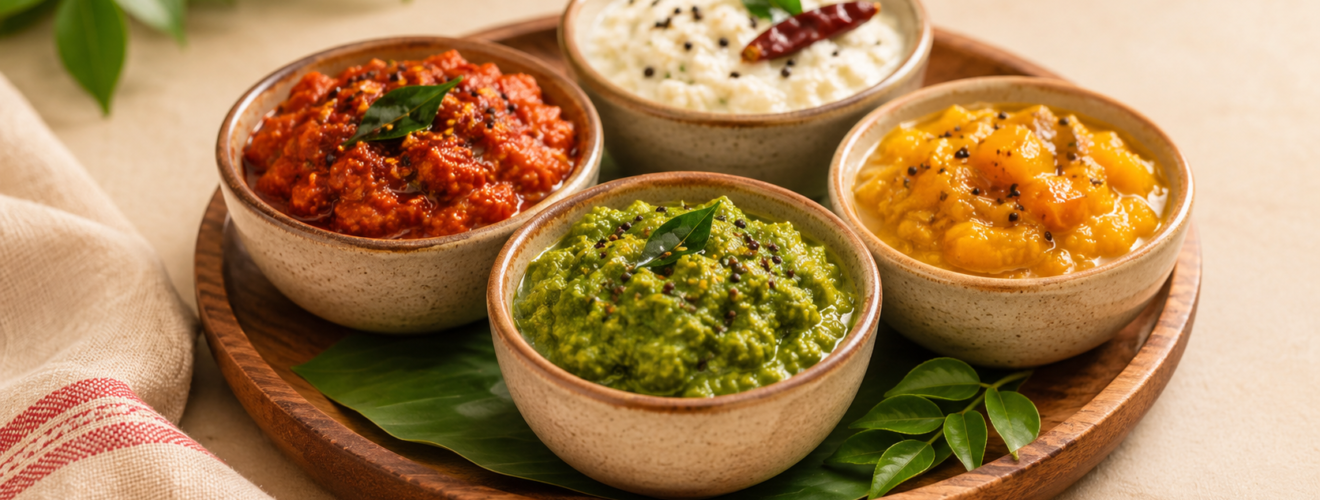
India is a country of many food traditions, and chutneys are a big part of this food story. From spicy and sour to sweet and salty, these simple side dishes add a lot of flavour to everyday meals. Almost every part of India has its own way of makeing chutneys, based on local crops, spices, fruits, herbs and family recipes.
Some chutneys use fresh coconut, while others have roasted seeds, green chillies, garlic, fermented soybeans or even local fruits. Many are made with ingredients that grow in the region. Some are a part of daily meals, while others have strong links to local communities and food customs.
This journey across India’s 28 states brings 28 chutneys to the table. Each one has a unique taste, a local story and a special place in the food culture of its region.
1. Andhra Pradesh – Gongura Pachadi
Gongura pachadi is one of the best-known chutneys from Andhra Pradesh. Its main ingredient is gongura, also called sorrel leaves. These leaves have a sharp, sour taste that gives the chutney its special flavour. Garlic, red chillies, oil and spices add more depth to it.
People often serve it with hot rice and ghee. The sour taste of gongura makes even a simple meal feel special. It is a good example of how a local leafy vegetable can become an important part of a state’s food identity.
2. Arunachal Pradesh – Pika Pila
Pika Pila is a traditional food preparation from Arunachal Pradesh, especially among the Apatani community. It is known for its strong taste and use of local ingredients. Bamboo shoot is an important part of this preparation, along with pork fat and chillies.
Its sharp and rich flavour makes it quite different from the usual coconut or tomato-based chutneys. It also shows how local food habits depend on the ingredients and food customs of a community.
3. Assam – Kordoi Chutney
Assam has a rich food culture, with plenty of fresh fruits and local vegetables. Kordoi chutney uses starfruit, also known as carambola. This fruit has a natural sour taste, which makes it a good choice for a tangy chutney.
The fruit may be mixed with salt, chillies and other spices to create a sweet and sour flavour. Its fresh taste makes it a good match for simple rice meals.
4. Bihar – Teesi Chutney
Teesi chutney is a popular traditional preparation from Bihar. Its main ingredient is flaxseed, locally known as teesi. The seeds are roasted and ground with garlic, chillies and salt to make a coarse chutney.
It has a nutty taste with a strong garlic flavour. Flaxseeds also contain healthy fats and fibre, which add to their food value. This chutney is often served with rice, roti and other simple home-cooked dishes.
5. Chhattisgarh – Chaprah
Chaprah is one of the most unusual chutneys from India. It comes from the Bastar region of Chhattisgarh and has strong links to local tribal food traditions. Its main ingredients are red ants and their eggs.
The ants have a naturally sour taste. They are crushed with chillies and salt to make a sharp and spicy chutney. Chaprah is more than just an unusual dish. It also shows how local communities use natural food sources and traditional methods as part of their daily diet.
6. Goa – Coconut-Coriander Chutney
Goa is known for its use of coconut, seafood and fresh spices. Coconut-coriander chutney is a simple preparation that reflects these local food habits. Fresh coconut, coriander leaves, green chillies and a little lemon or tamarind create its fresh and mild taste.
It goes well with snacks, rice dishes and local meals. The coconut gives it a creamy texture, while coriander and chillies add freshness and spice.
7. Gujarat – Khajur-Imli Chutney
Khajur-imli chutney is a well-known sweet and sour chutney from Gujarat. It uses dates, also called khajur, and tamarind, known as imli. Jaggery, cumin and dry ginger may also be part of the recipe.
The dates give it natural sweetness, while tamarind adds a sharp sour taste. It is a common partner for snacks such as dhokla, kachori, samosa and other fried foods. Its sweet and tangy flavour makes it popular across many Indian kitchens.
8. Haryana – Imli Chutney
Imli chutney is a simple preparation that uses tamarind as its main ingredient. In Haryana, it is a familiar choice with snacks and home-cooked meals. Tamarind, jaggery, salt and spices create its sweet and sour taste.
The recipe is easy to prepare and uses ingredients that are easy to find. Its strong flavour also makes it a useful side dish with fried snacks and savoury foods.
9. Himachal Pradesh – Chamba Chukh
Chamba Chukh is a famous chilli-based preparation from Himachal Pradesh. It comes from the Chamba region and uses red chillies, garlic, mustard oil and local spices.
It has a hot and sharp taste, which makes it a favourite among people who enjoy spicy food. It can be served with roti, rice and other local dishes. Its long food history also makes it an important part of Himachal’s regional cuisine.
10. Jharkhand – Beng Saag Chutney
Jharkhand has a strong connection with forest produce and local leafy vegetables. Beng saag chutney uses local greens, chillies and basic spices to create a simple but flavourful side dish.
The exact recipe may differ across communities and homes. Its main appeal lies in the use of fresh local leaves. It is a good example of how everyday food in the state makes use of seasonal vegetables and ingredients from nearby farms and forests.
11. Karnataka – Kumbalakai Chutney
Kumbalakai, or pumpkin, is the main ingredient in this chutney from Karnataka. It is often prepared with coconut, green chillies and spices. The pumpkin gives it a mild sweetness, while coconut adds a rich and soft texture.
It goes well with rice, dosa and other South Indian dishes. The use of pumpkin also makes it a good way to add local vegetables to everyday meals.
12. Kerala – Thengai Chammanthi
Kerala’s thengai chammanthi is a coconut-based chutney with a strong and rich flavour. Fresh coconut, shallots, dried red chillies, tamarind and salt are common ingredients.
Unlike some smooth coconut chutneys, chammanthi can have a coarse texture. It is often served with rice, dosa, idli and kanji. Its simple recipe and bold taste make it a much-loved part of Kerala’s home food culture.
13. Madhya Pradesh – Garlic Chutney
Garlic chutney is a simple but powerful side dish in Madhya Pradesh. It uses garlic, red chillies, salt and spices. Some versions also include peanuts or oil for a richer taste.
The strong flavour of garlic makes this chutney a good match for dal, roti, rice and local snacks. It is a reminder that a chutney does not need many ingredients to add a lot of taste to a meal.
14. Maharashtra – Mirchi Thecha
Mirchi thecha is one of Maharashtra’s best-known spicy preparations. It is made with green chillies, garlic and peanuts. The ingredients are crushed together, often in a traditional stone mortar, to create a rough texture.
The result is a hot, nutty and savoury chutney. It is usually served with bhakri, a type of flatbread made from jowar or bajra. Thecha is especially popular among people who enjoy strong flavours and simple rural food.
15. Manipur – Eromba
Eromba is a well-known dish from Manipur. It is made with boiled vegetables, chillies and fermented fish, also called ngari. The ingredients are mashed together to create a thick and flavourful preparation.
Its taste is spicy, savoury and slightly pungent. Eromba is often served with rice and is an important part of Manipuri food culture. Different homes may use different vegetables, so the taste can change from one recipe to another.
16. Meghalaya – Tungtap
Tungtap is a traditional fermented fish preparation from Meghalaya, especially associated with Khasi food. It is made from fermented fish and has a strong, salty and savoury taste.
The fish is often crushed with chillies and other ingredients to create a thick paste. It is served in small amounts with rice and other local dishes. Tungtap shows how fermentation plays an important role in the food traditions of the Northeast.
17. Mizoram – Chilli-Garlic Chutney
Mizoram has a strong love for fresh chillies and simple food. Chilli-garlic chutney uses these two main ingredients to create a hot and sharp side dish. Salt and a few local spices may also be added.
It pairs well with rice, vegetables and meat-based meals. Its simple recipe allows the natural taste of the chillies and garlic to stand out.
18. Nagaland – Axone Chutney
Axone, also known as akhuni, is made from fermented soybeans and has a strong smell and deep savoury taste. It is a key ingredient in many Naga dishes.
When used in chutney, axone is mixed with chillies, garlic and other local ingredients. It gives the dish a rich and earthy flavour. Fermentation is an important part of Naga food culture, and axone is one of its best-known examples.
19. Odisha – Amba Khatta
Amba khatta is a sweet and sour mango preparation from Odisha. Raw mangoes are cooked with jaggery, mustard seeds and spices to create a thick chutney-like dish.
The sourness of the mango and the sweetness of jaggery create a balanced taste. It is often served with rice and traditional meals. Amba khatta is also a reminder of how seasonal fruits have a special place in Odia cuisine.
20. Punjab – Kanji-Tomato Chutney
Punjabi food is known for its rich flavours, and tomato-based chutneys are common across many homes. This representative preparation uses tomatoes, spices and flavours inspired by traditional mustard kanji.
The tomato adds a natural tang, while spices give it a strong taste. It pairs well with parathas, snacks and everyday meals. Recipes may vary from one household to another.
21. Rajasthan – Kachre Ki Chutney
Kachre ki chutney is a special preparation from Rajasthan. Kachri is a small wild cucumber that grows in dry areas of the state. It has a sour taste and works well with chillies, garlic and spices.
The chutney reflects the local food habits of Rajasthan, where people make good use of crops that can grow in dry conditions. It is often served with bajra roti and other traditional meals.
22. Sikkim – Dalle Chilli Chutney
Dalle chilli is a famous local chilli from Sikkim. It is round, bright red and known for its strong heat. The chutney uses these chillies with garlic, tomato and salt.
It has a sharp and spicy taste that can add a lot of flavour to even a simple meal. It is often served with rice, noodles, meat dishes and local snacks. Dalle chilli is also a well-known part of Sikkim’s food identity.
23. Tamil Nadu – Ellu Podi
Ellu podi is a dry chutney powder made from roasted sesame seeds, lentils, dried red chillies and spices. It has a nutty and slightly spicy taste.
It is usually mixed with sesame oil or ghee and served with idli and dosa. Some families also enjoy it with hot rice. Its long shelf life makes it a useful item in many South Indian kitchens.
24. Telangana – Dosakaya Pachadi
Dosakaya pachadi is a traditional chutney from Telangana. Its main ingredient is dosakaya, a yellow cucumber with a mild and slightly sour taste. Green chillies, garlic, tamarind and spices add more flavour.
It can be made with raw or lightly cooked cucumber, based on the recipe. The chutney is usually served with rice and ghee. It is a good example of the state’s love for bold and sour flavours.
25. Tripura – Mosdeng Serma
Mosdeng serma is a traditional preparation from Tripura. It uses roasted tomatoes, chillies, salt and fermented fish. The ingredients are crushed together to create a spicy and savoury dish.
It is known for its smoky tomato taste and sharp chilli flavour. The use of fermented fish also reflects the food habits of local communities. It is often served with rice and simple home-cooked meals.
26. Uttar Pradesh – Amchur-Gud Chutney
Amchur-gud chutney uses dried mango powder and jaggery to create a sweet and sour flavour. It is a familiar taste across many parts of Uttar Pradesh and is often served with snacks.
The dried mango powder adds sharpness, while jaggery gives it sweetness. Cumin, black salt and dry ginger may also be used. It goes well with kachori, samosa and other fried foods.
27. Uttarakhand – Bhaang Ki Chutney
Bhaang ki chutney is a famous Kumaoni preparation from Uttarakhand. It is made with roasted hemp seeds, coriander leaves, green chillies, lemon juice and salt.
The roasted seeds give it a nutty flavour, while coriander and chillies add freshness and heat. It is often served with rice, mandua roti and local meals. The chutney is a good example of how traditional mountain food uses local seeds and herbs.
28. West Bengal – Aamsotto-Khejur Chutney
Bengali meals often end with a sweet chutney, and aamsotto-khejur chutney is a well-loved example. It uses aamsotto, or dried mango pulp, along with dates, jaggery and spices.
The result is a thick, sweet and slightly sour chutney. It is often served towards the end of a traditional Bengali meal, before dessert. Its taste and texture make it quite different from the spicy chutneys found in other parts of India.
A Chutney for Every Corner of India
From the sour gongura pachadi of Andhra Pradesh to the sweet aamsotto-khejur chutney of West Bengal, India’s chutney culture has a lot to offer. Each state has its own choice of ingredients, taste and method of preparation. Some use fruits and vegetables, while others depend on seeds, herbs, chillies and fermented foods.
These 28 chutneys also show how food is linked to local life. The use of wild cucumber in Rajasthan, hemp seeds in Uttarakhand, fermented soybeans in Nagaland and red ants in Chhattisgarh reflects the close link between regional food and local resources.
Not all these chutneys have the same level of fame across India, and some are more closely linked to specific communities or districts than to an entire state. Yet each one adds something special to the country’s food story.
Chutney may be served in a small bowl, but its place in Indian cuisine is far from small. It brings together local ingredients, old recipes and family food habits. One spoonful is often enough to discover a whole new side of India’s rich food culture.
Also Read – Pumpkin Recipes Beyond Pie: 10 Savory Ideas for Fall