
Hidden Gems of Assam: A Flavorful Food Journey
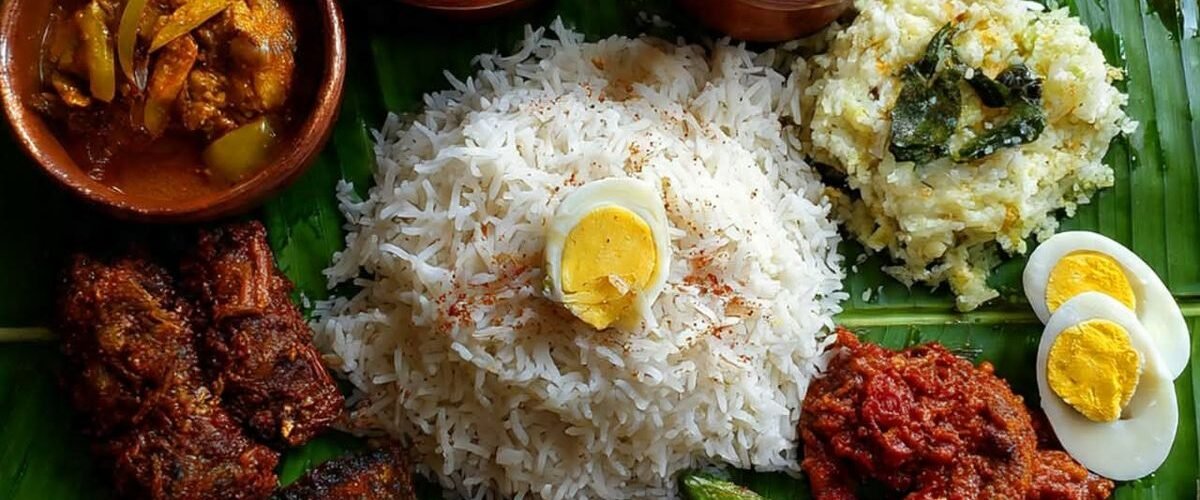
Assam tells its story through food long before it speaks through words. Every bite reveals history, geography, and identity. Lush tea gardens, mighty rivers, and vibrant tribal cultures shape a cuisine that surprises anyone who expects only simple flavors. I explored Assam with one goal—to uncover its hidden culinary gems—and the experience delivered far more than I imagined.
The Essence of Assamese Cuisine
Assamese food celebrates freshness, balance, and subtlety. Cooks rely on seasonal ingredients, local herbs, and minimal spices. Unlike many Indian cuisines, Assamese dishes rarely overpower the palate. Instead, they highlight natural flavors.
I noticed that every meal followed a thoughtful structure. A typical Assamese platter begins with bitter notes, moves into tangy and savory dishes, and ends with comforting rice and sweets. This progression reflects a deep understanding of digestion and taste harmony.
Khar: The Alkaline Wonder
Khar stands as one of Assam’s most unique culinary creations. Cooks prepare it using filtered water from sun-dried banana peels. This alkaline liquid forms the base of several dishes.
I tried a simple Khar dish with raw papaya, and the experience surprised me. The flavor tasted earthy, clean, and slightly smoky. The dish reset my palate and prepared me for the rest of the meal. Locals often serve Khar at the beginning, and I understood why. It awakened my taste buds without overwhelming them.
Masor Tenga: The Soul of Assamese Food
Fish dominates Assamese cuisine, thanks to the Brahmaputra River. Masor Tenga, a sour fish curry, captures the region’s essence perfectly.
I tasted a version made with tomatoes and lemon. The broth felt light yet deeply satisfying. Fresh river fish absorbed the tangy flavors beautifully. Unlike heavy gravies, this dish refreshed me after every bite. I could easily enjoy it every day without feeling overwhelmed.
Different regions add their own twist. Some cooks use elephant apple, while others prefer ou tenga (a citrus fruit native to Assam). Each variation tells a different story.
Smoked Delights from Tribal Kitchens
Assam’s tribal communities bring bold and earthy flavors to the table. I explored dishes prepared by the Mishing and Bodo tribes, and their techniques impressed me.
They often smoke meat over wood fires, which adds depth and aroma. I tried smoked pork with bamboo shoots, and the dish delivered a rich, slightly tangy flavor. Bamboo shoots added crunch and a distinct sharpness that balanced the meat’s richness.
These dishes reflect survival techniques that evolved into culinary art. Smoking preserved food, but it also created unforgettable flavors.
Pitika: Simplicity at Its Best
Pitika represents comfort food in Assam. Cooks mash vegetables like potatoes, eggplant, or even fish, then mix them with mustard oil, onions, and green chilies.
I tried aloo pitika, and its simplicity amazed me. The dish tasted creamy, spicy, and aromatic all at once. Mustard oil added a sharp, pungent kick that defined Assamese cooking.
Every household prepares pitika differently. Some add coriander, others include roasted garlic. This flexibility makes pitika deeply personal.
Pitha: Sweet Traditions
Assamese sweets avoid excessive sugar. Instead, they focus on texture and natural sweetness. Pitha, a traditional rice cake, showcases this philosophy.
I sampled til pitha, filled with sesame seeds and jaggery. The outer layer felt soft yet slightly crisp, while the filling delivered a nutty sweetness. Another variety, narikol pitha, used coconut and offered a richer taste.
People prepare pitha during festivals like Bihu, but I found them in small local shops year-round. Each bite carried a sense of celebration.
Xaak: The Power of Greens
Assamese cuisine embraces leafy greens like few others. Locals cook a wide variety of xaak, often sautéed lightly with garlic or lentils.
I tried lai xaak and spinach variations. These dishes tasted fresh, slightly bitter, and incredibly nourishing. They balanced heavier dishes and added color to the plate.
The emphasis on greens reflects the region’s agricultural abundance. Farmers grow these vegetables locally, which ensures freshness.
Rice and Its Many Forms
Rice anchors every Assamese meal. However, Assam offers far more than plain steamed rice.
I discovered bora saul, a sticky rice variety that locals use in snacks and sweets. I also tried joha rice, known for its delicate aroma. This fragrant rice elevated even the simplest dishes.
Assamese cooks treat rice with respect. They pair different varieties with specific dishes, which enhances the overall experience.
Local Eateries and Hidden Spots
Small eateries and roadside stalls revealed the true magic of Assamese food. I skipped luxury restaurants and followed local recommendations.
In Guwahati, I found tiny family-run kitchens that served authentic thalis. Each plate included rice, dal, fish curry, pitika, and greens. The flavors felt honest and comforting.
In rural areas, I experienced meals cooked over wood fires. These settings offered not just food but also stories, traditions, and warmth.
The Role of Mustard Oil
Mustard oil defines Assamese cuisine. Its pungent aroma and sharp flavor add character to many dishes.
At first, the intensity surprised me. However, I quickly grew to love it. It enhanced everything—from pitika to fish curries. Assamese cooks use it with precision, never allowing it to overpower the dish.
Fermented Ingredients: A Bold Touch
Fermentation plays an important role in Assamese cooking. Ingredients like bamboo shoots and fermented fish add complexity.
I tried dishes that included fermented bamboo shoots, and the tangy, slightly pungent flavor stood out. These ingredients might challenge first-time visitors, but they reward adventurous eaters.
Tea: The Final Note
No culinary journey in Assam feels complete without tea. Assam produces some of the world’s finest black tea.
I visited local tea gardens and tasted freshly brewed cups. The tea felt strong, malty, and deeply satisfying. It paired perfectly with snacks like pitha and jolpan (traditional breakfast items).
Tea in Assam goes beyond a beverage. It represents culture, economy, and identity.
Final Thoughts
Assam’s food scene remains one of India’s most underrated treasures. It avoids flashy presentation and heavy spices. Instead, it focuses on authenticity, balance, and connection to nature.
Every dish I tried told a story. From the alkaline mystery of Khar to the tangy comfort of Masor Tenga, Assam offered flavors that stayed with me long after the journey ended.
If you seek something different—something honest and deeply rooted—Assam will not disappoint. Its hidden gems wait quietly, ready to surprise anyone willing to explore.
Also Read – Rising PCOS Crisis in India: Why Many Still Ignore It