
Why Bollywood Keeps Choosing Cringe Movie Stories
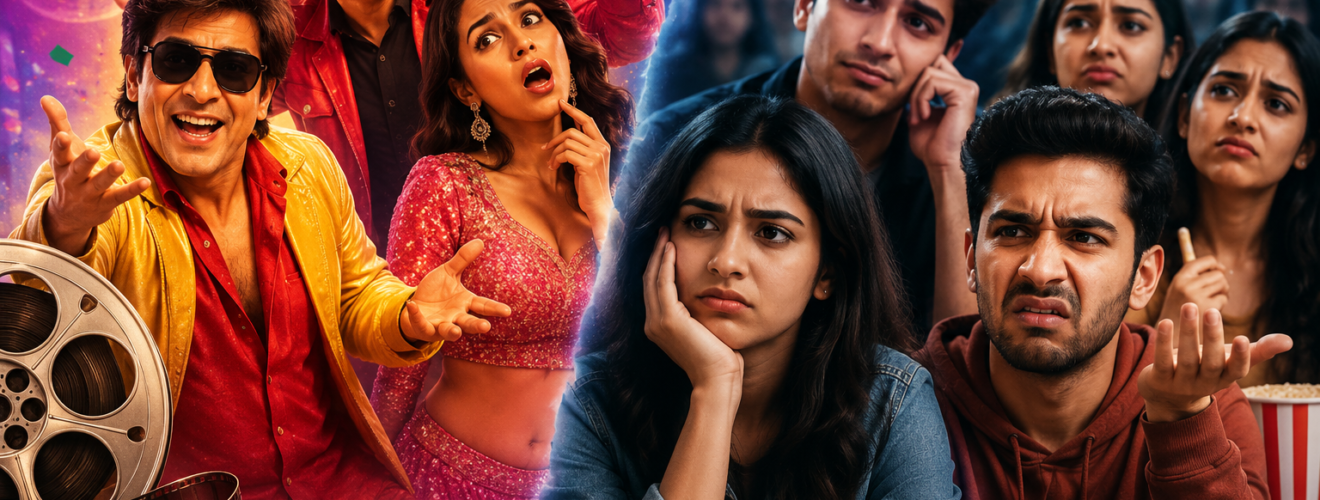
Bollywood once had a strong hold on Indian audiences. Big stars, fresh music, emotional stories, and memorable characters helped Hindi cinema reach every corner of the country. People waited for new releases and trusted Bollywood to offer entertainment that felt exciting and new.
Today, the situation looks very different.
Many movie lovers now use one word again and again while talking about new Hindi films — cringe.
From loud comedy and forced romance to old-fashioned dialogues and weak stories, several recent releases have faced criticism from viewers. The upcoming film Hai Jawani Toh Ishq Hona Hai has also entered this debate. Soon after its teaser and trailer arrived online, social media users began calling it another example of Bollywood’s dependence on outdated formulas. Many felt the film looked like a copy of old comedy movies rather than a fresh story.
This reaction is not about one movie alone. It reflects a much bigger problem inside the Hindi film industry.
Bollywood Is Living in the Past
One major reason behind this trend is nostalgia.
Film producers have noticed that audiences still feel connected to old songs, famous characters, and classic movie titles. Because of this, many studios now believe that familiar content carries less risk than original ideas.
After the huge success of films like Gadar 2, producers became even more confident about this strategy. Many projects now depend on memories from the 1990s and early 2000s. Old songs return with new versions. Popular movies receive sequels. Famous dialogues appear once again. Even movie titles often remind people of older hits.
Hai Jawani Toh Ishq Hona Hai follows the same path. The title itself feels like a throwback to the David Dhawan comedy era. The songs, costumes, and overall style try to recreate the atmosphere of commercial entertainers from two decades ago.
The problem is simple.
People enjoy nostalgia, but they also want something new. When a film offers only memories and no fresh idea, audiences quickly lose interest.
Fear of Failure Has Changed Bollywood
The Hindi film industry has faced serious challenges during the last few years.
Reports show that Bollywood’s market share dropped from 51 percent to around 41 percent in 2024 and 2025. Regional cinema continued to gain strength during the same period. Hindi films also saw a decline in overall box office collections.
These numbers created pressure on producers and studios.
Whenever money becomes a concern, creativity often suffers. Instead of trying new stories, filmmakers choose formulas that appear safer.
This explains why audiences see so many sequels, remakes, action dramas, and recycled comedies. Producers believe familiar content has a better chance of attracting viewers.
Unfortunately, this approach creates another problem. Movies begin to look similar. Different films start sharing the same structure, jokes, characters, and emotional moments.
As a result, viewers feel they have already watched the same story many times before.
Social Media Has Changed Movie Writing
The rise of Instagram, YouTube Shorts, and viral content has also affected Bollywood.
Today, many filmmakers focus on scenes that can become memes or trend online. Instead of building strong stories, some projects depend on short moments that can spread across social media.
This has changed the way certain movies are written.
Many recent films contain exaggerated comedy, dramatic one-liners, unrealistic romance, and over-the-top action sequences. These moments may attract attention online, but they often feel awkward inside a full movie.
A scene that works for a 15-second reel does not always work for a two-hour film.
This is one reason why audiences often describe modern Bollywood movies as cringe. The focus shifts from storytelling to social media attention.
The Endless Remix Culture
Another major complaint from audiences involves music.
Bollywood once produced original songs that stayed popular for decades. Today, many films rely on recreated versions of older hits.
Over the last several years, audiences have seen remakes of songs like Cheez Badi, Masakali, Ek Do Teen, and many others. While these songs often receive millions of views, they also face heavy criticism.
Many listeners believe the original versions carried more emotion and personality.
The remake trend shows Bollywood’s larger creative struggle. Instead of building new classics, producers often depend on already successful material.
Even recent discussions around Hai Jawani Toh Ishq Hona Hai included debates about older songs and music rights. This shows how strongly the industry still depends on nostalgia-driven music.
For younger viewers, this strategy feels repetitive.
They want songs that belong to the present, not recycled versions of the past.
South Cinema Raised Audience Expectations
Bollywood no longer controls Indian entertainment the way it once did.
Today, viewers watch Telugu, Tamil, Malayalam, Korean, and international content with ease. Streaming platforms have removed language barriers.
This change has raised audience expectations.
People now compare every movie with content from around the world. A viewer may watch a Malayalam thriller one day, a Korean drama the next day, and then a Bollywood comedy over the weekend.
Naturally, comparisons happen.
Many regional films focus on strong writing, realistic emotions, and fresh ideas. When audiences then watch a Hindi film built around old jokes and predictable situations, the difference becomes very clear.
The audience has evolved much faster than parts of Bollywood.
Stars Still Matter More Than Stories
The Bollywood star system remains another important reason behind weak storytelling.
Many films are designed around an actor’s image rather than a strong script. Writers often create scenes that allow stars to dance, fight, deliver punchlines, or attract cheers inside theatres.
Because of this, story quality sometimes becomes less important.
Characters may feel unrealistic. Situations may make little sense. Emotional scenes may appear forced.
The main goal becomes hero worship rather than storytelling.
This formula worked well in previous decades. Modern audiences, however, expect more depth from movies.
They want characters who feel real and stories that connect with everyday life.
Bollywood Has Misread Its Viewers
Perhaps the biggest mistake Bollywood has made is underestimating its audience.
Today’s viewers consume content from many countries and languages. They understand complex stories. They appreciate smart writing. They notice weak scripts.
Yet some filmmakers continue to believe that loud comedy, dramatic romance, and predictable endings are enough.
The success of several web series and content-driven films proves otherwise.
Audiences still enjoy entertainment. They still love songs, romance, and comedy. But they also expect effort, originality, and honesty.
People no longer accept weak storytelling simply because a famous actor appears on screen.
Can Bollywood Change?
The future of Bollywood depends on its willingness to evolve.
The industry still has talented writers, directors, musicians, and actors. Many filmmakers continue to experiment with new ideas and different styles of storytelling.
However, change will require courage.
Studios must stop depending only on nostalgia. Producers must trust original scripts. Music companies must invest in fresh songs. Stars must choose stronger stories instead of safe formulas.
The criticism around Hai Jawani Toh Ishq Hona Hai shows a larger mood among audiences. Viewers are asking Bollywood to move forward rather than repeat the past.
If the industry continues to depend on remakes, recycled music, and outdated comedy, the word cringe will remain attached to many releases.
But if Bollywood learns from audience feedback and embraces fresh ideas, it can regain the creativity and excitement that once made it India’s biggest entertainment powerhouse.
The audience is ready for better stories. Now Bollywood must decide whether it is ready to create them.
Also Read – Enhanced Games Ignite Global Sports Controversy