Why Ethanol Blended Petrol Brings Debate in India Today Fast
Petrol that contains ethanol has become an important part of fuel policy in many countries. Governments see it as a way to reduce oil imports, support farmers, and cut harmful emissions. Because of these benefits, many nations have increased the amount of ethanol in petrol over the last few decades. India has also joined this move and now supplies E20 petrol in many places across the country.
Even though ethanol blended petrol has many advantages, it has also started a public debate in India. Some people believe it is a smart step for the future, while others worry about its effect on older vehicles, fuel economy, and farming. The discussion is not about whether ethanol is good or bad. Instead, it is about how fast the change should happen and whether every vehicle is ready for it.
What Is Ethanol Blended Petrol?
Ethanol is a type of alcohol that comes from crops such as sugarcane, corn, and grains. When it mixes with petrol, the fuel becomes ethanol blended petrol.
The letter “E” shows the amount of ethanol in the fuel. E10 means the fuel has 10 percent ethanol and 90 percent petrol. E20 means it has 20 percent ethanol and 80 percent petrol. Some countries also use E85, but that fuel works only in special flex-fuel vehicles that are built for high ethanol content.
India has mainly focused on E20 as part of its fuel policy.
Why Many Countries Use Ethanol Blended Petrol
Many countries started ethanol programmes many years ago because they wanted to reduce their need for imported crude oil. Every year, countries spend huge amounts of money on oil imports. Ethanol helps reduce a part of this expense because some petrol gets replaced with fuel that comes from crops.
Another major reason is the environment. Plants absorb carbon dioxide while they grow. When ethanol comes from these plants, its total carbon footprint over its life cycle can be lower than normal petrol, although it still releases carbon dioxide when it burns. For this reason, many governments believe ethanol can help reduce greenhouse gas emissions when it comes from sustainable sources.
Farmers also benefit from ethanol production. Crops and agricultural by-products become useful for fuel production, which creates another source of income. This supports rural economies and strengthens the farming sector.
Ethanol also has a higher octane rating than petrol. This helps engines resist knocking and allows better combustion in engines that are designed for ethanol blends.
How Other Countries Made Ethanol Successful
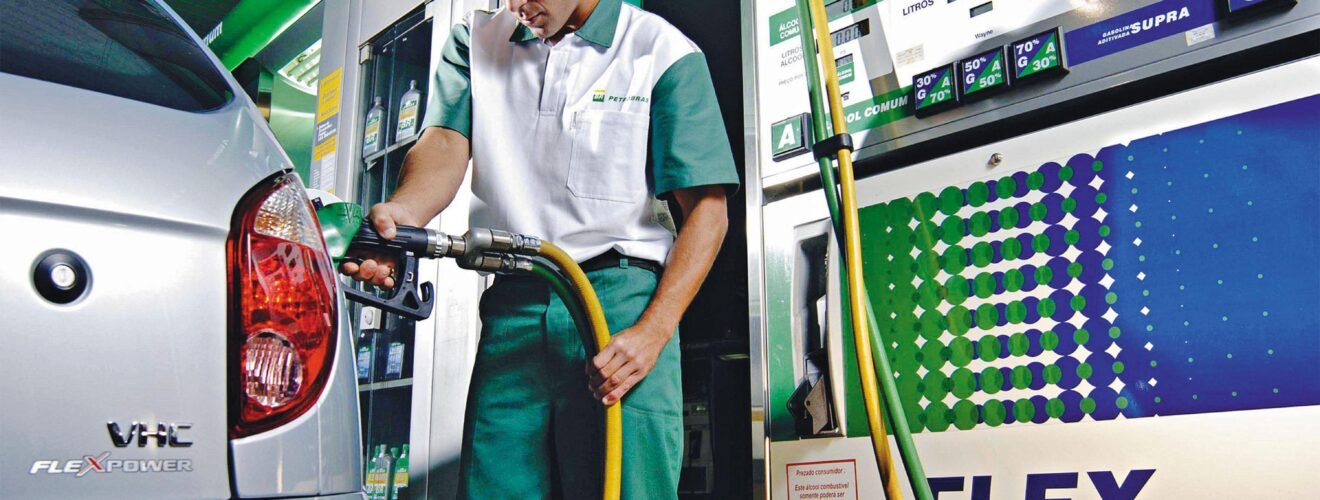
Brazil is one of the best examples of ethanol success. The country began its ethanol programme during the 1970s after global oil price shocks. Today, most new cars sold in Brazil are flex-fuel vehicles. Drivers can fill their cars with petrol, ethanol, or a mix of both. They choose the fuel based on price and availability.
The United States also uses ethanol on a large scale. E10 has become the standard fuel in most parts of the country. Some fuel stations sell E15, while E85 remains available only for flex-fuel vehicles. Ordinary cars do not use E85 unless the manufacturer approves it.
Thailand also introduced ethanol step by step. The country encouraged people to buy vehicles that could use E20 before the fuel became common across the nation. This gradual approach gave manufacturers, fuel stations, and consumers enough time to prepare.
These examples show that successful ethanol programmes usually match fuel policy with vehicle technology. Governments, car makers, and fuel suppliers work together before higher ethanol blends become common.
Why India Chose Ethanol
India imports almost 85 percent of its crude oil. This creates a huge bill every year. A higher ethanol blend helps reduce petrol demand, which saves foreign exchange and improves energy security.
India also produces large amounts of sugarcane and grain. Ethanol production creates another market for these crops and their by-products. This supports farmers and strengthens the domestic biofuel industry.
The government also believes ethanol can help reduce emissions from the transport sector and move the country closer to its climate goals.
Because of these reasons, India decided to expand E20 petrol much earlier than its original target.
Why People Raise Concerns in India
The biggest concern comes from the large number of older vehicles on Indian roads. Many cars and motorcycles were designed before E20 became common. These vehicles mainly used E10 or lower blends.
Experts say some older vehicles may face problems because certain rubber parts, plastic components, and fuel system materials were not made for higher ethanol content. Over a long period, this may lead to wear, corrosion, or damage in some vehicles. The level of risk depends on the vehicle model and manufacturer. It does not affect every old vehicle in the same way.
Another concern is fuel economy. Ethanol contains about 30 to 35 percent less energy than petrol. Because of this, E20 usually gives slightly lower mileage than pure petrol. Many studies suggest fuel economy may drop by around 3 to 7 percent, although the exact number depends on the vehicle and driving conditions.
For people who travel long distances every day, even a small drop in mileage can increase fuel costs over time.
The Debate Over Speed
Many experts do not question the idea of ethanol itself. Instead, they question the speed of implementation.
Some critics believe India introduced E20 too quickly. They feel many consumers did not receive enough information about vehicle compatibility before the fuel became widely available. Some also argue that people should have received more fuel choices until older vehicles gradually left the roads.
Supporters see the issue differently. They believe a faster rollout brings quicker benefits, such as lower oil imports, stronger energy security, and better support for Indian farmers. They also point out that new vehicles already come with better compatibility for E20.
This difference in opinion has become one of the biggest parts of the national debate.
Food and Water Concerns
Some environmental experts also worry about the crops that produce ethanol.
Sugarcane needs a large amount of water. If farmers grow more sugarcane only for fuel, pressure on water resources may increase in some regions. Others also worry that more land for fuel crops could reduce land for food production.
Supporters reply that India already produces much of its ethanol from molasses, which is a by-product of the sugar industry. The country also uses surplus grain and plans to increase ethanol production from agricultural waste and other second-generation sources. These methods reduce pressure on food supplies and improve sustainability.
Is Ethanol Blended Petrol Safe?
For modern vehicles that manufacturers design for E20, ethanol blended petrol is generally safe. These vehicles use materials and engine settings that match the higher ethanol content.
Older vehicles require more attention. Some manufacturers approve E20 for certain models, while others recommend lower blends. Vehicle owners should always check the owner’s manual or confirm with the manufacturer before regular use.
This is why experts say compatibility matters more than the fuel itself.
The Road Ahead
Ethanol blended petrol will likely remain an important part of India’s energy future. The country wants lower oil imports, cleaner transport, and stronger support for farmers. These goals match the reasons why many other nations adopted ethanol many years ago.
At the same time, the concerns of vehicle owners also deserve attention. Better public awareness, clear guidance from manufacturers, gradual replacement of older vehicles, and greater use of ethanol from agricultural waste can make the transition smoother.
The experience of countries like Brazil, the United States, and Thailand shows that ethanol works best when fuel policy, vehicle technology, and consumer awareness move forward together.
India has already taken a major step toward cleaner and more secure fuel. The next challenge is to ensure that every driver benefits from the change without unnecessary confusion or cost. If that balance is achieved, ethanol blended petrol could become an important part of India’s long-term energy strategy while also supporting the economy, farmers, and the environment.
Also Read – Zostel Seeks SEBI Review Over PRISM IPO Disclosure Claims