
Hydrogen Cars: Hype or Reality?
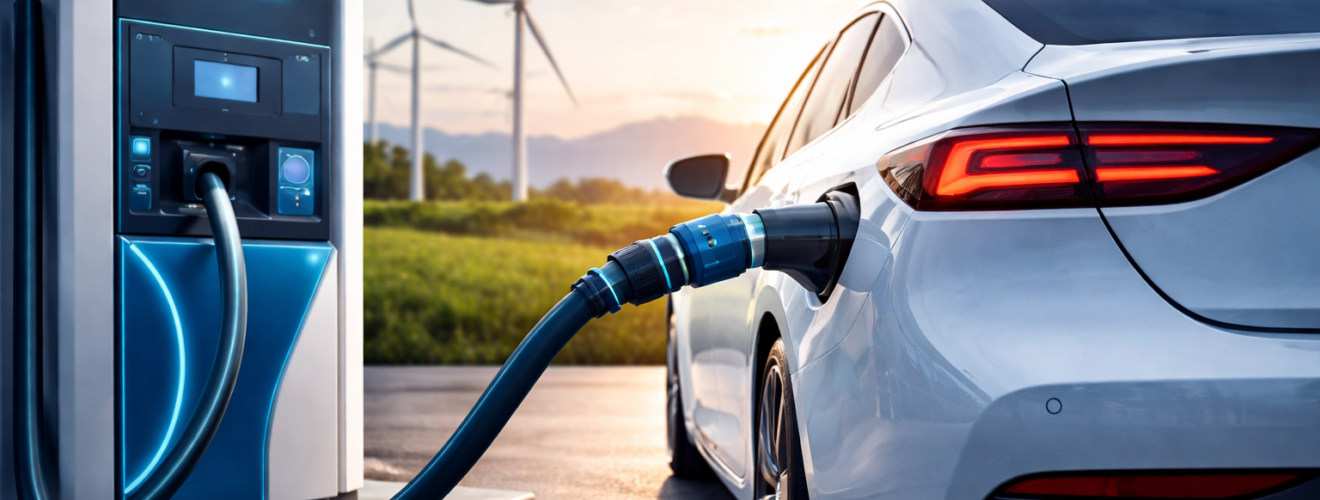
Hydrogen cars attract attention with bold promises. Automakers, governments, and engineers present them as a clean alternative to fossil fuels. These vehicles emit only water vapor and offer quick refueling times. Many experts see hydrogen as a key player in future mobility. Yet, real-world adoption remains limited. This gap raises an important question: do hydrogen cars represent true progress, or do they remain an overhyped concept?
What Are Hydrogen Cars?
Hydrogen cars use fuel cell technology to generate electricity. A fuel cell combines hydrogen with oxygen from the air. This reaction produces electricity, which powers the motor. The process also creates water as the only byproduct.
Unlike battery electric vehicles, hydrogen cars do not store electricity. Instead, they generate power on demand. Drivers refill hydrogen tanks in minutes, similar to refueling petrol or diesel cars. This feature gives hydrogen vehicles a clear advantage in convenience.
Why Hydrogen Cars Generate Buzz
Hydrogen cars appeal to both environmentalists and industry leaders. They promise zero tailpipe emissions, which helps reduce air pollution. Cities with heavy traffic could benefit greatly from cleaner transportation.
Hydrogen also offers fast refueling times. Drivers can fill a tank in about five minutes. This speed solves one major issue that electric vehicles face: long charging times.
Additionally, hydrogen provides high energy density. Vehicles can travel long distances without frequent refueling. This benefit makes hydrogen especially attractive for trucks, buses, and long-haul transport.
The Infrastructure Problem
Hydrogen cars face a major obstacle: lack of infrastructure. Very few hydrogen refueling stations exist worldwide. Most countries lack the network needed to support widespread adoption.
Building hydrogen stations requires significant investment. Governments and private companies must commit large funds to develop this infrastructure. Without enough stations, consumers hesitate to buy hydrogen vehicles. This hesitation slows market growth.
Electric vehicles already benefit from a growing charging network. Hydrogen struggles to catch up. This difference places hydrogen cars at a disadvantage.
Production Challenges
Hydrogen does not exist freely in nature. Producers must extract it from other sources. Most hydrogen production today relies on natural gas. This method releases carbon dioxide, which reduces environmental benefits.
Green hydrogen offers a cleaner solution. Producers create it using renewable energy sources like wind or solar power. However, this process costs more and requires advanced technology. Current production levels remain low.
Until green hydrogen becomes widely available, hydrogen cars cannot deliver true sustainability. This limitation raises concerns among environmental experts.
Cost and Efficiency Issues
Hydrogen vehicles cost more than traditional cars and most electric vehicles. Manufacturers face high production costs due to complex fuel cell systems. Limited demand also prevents economies of scale.
Hydrogen fuel itself costs more than electricity. Drivers pay higher prices per kilometer compared to electric vehicles. This cost difference discourages potential buyers.
Energy efficiency presents another challenge. Hydrogen production, storage, and conversion involve energy losses. Electric vehicles use energy more efficiently from source to wheel. This efficiency gap gives battery electric cars a strong advantage.
Safety Concerns and Public Perception
Hydrogen sparks safety concerns due to its flammability. Engineers design advanced safety systems to prevent accidents. Modern hydrogen tanks can withstand extreme pressure and impacts.
Despite these measures, public perception still affects adoption. Many consumers feel uncertain about hydrogen technology. Education and awareness can help address these concerns, but progress remains slow.
Real-World Adoption Today
Hydrogen cars exist in select markets such as Japan, South Korea, and parts of Europe. Governments in these regions support hydrogen development through subsidies and infrastructure projects.
Some automakers continue to invest in hydrogen technology. They focus on niche applications like buses, trucks, and fleet vehicles. These sectors benefit from fast refueling and long range.
However, global adoption remains limited. Battery electric vehicles dominate the clean mobility market. Consumers prefer EVs due to better infrastructure and lower costs.
Where Hydrogen Makes Sense
Hydrogen cars may not suit every driver, but they offer strong potential in specific areas. Heavy transport sectors benefit the most from hydrogen technology. Trucks, trains, and ships require long range and quick refueling.
Public transportation systems can also use hydrogen effectively. Buses can operate all day without long charging breaks. This efficiency improves service reliability.
Hydrogen may also support energy storage. Excess renewable energy can produce hydrogen, which stores power for later use. This flexibility adds value beyond transportation.
The Future Outlook
Hydrogen cars still hold promise, but they face tough competition. Battery electric vehicles continue to improve in range, cost, and charging speed. This progress makes it harder for hydrogen to gain market share.
Governments play a crucial role in hydrogen’s future. Strong policies, subsidies, and infrastructure investments can accelerate adoption. Without support, hydrogen cars may remain a niche solution.
Technological advancements could also change the landscape. Lower production costs and improved efficiency may make hydrogen more viable. Researchers continue to explore better ways to produce and store hydrogen.
Hype or Reality?
Hydrogen cars represent both hype and reality. They deliver real benefits such as zero emissions, fast refueling, and long range. These strengths make them valuable in certain sectors.
However, major challenges limit widespread adoption. Infrastructure gaps, high costs, and production issues slow progress. Hydrogen cars cannot yet compete with electric vehicles in the mass market.
The future likely includes a mix of technologies. Electric vehicles will dominate personal transport, while hydrogen may serve heavy-duty and specialized needs.
Final Thoughts
Hydrogen cars do not fit the label of pure hype, but they also do not dominate reality today. They occupy a middle ground. Their success depends on innovation, investment, and strategic use cases.
If industries solve current challenges, hydrogen could become a key part of sustainable mobility. Until then, hydrogen cars remain a promising idea that continues to evolve rather than a complete solution.
Also Read – 2026 Skoda Kushaq Review: Features, Price, Drive