Toaster Review – A Darkly Comic Tale of Obsession and Chao
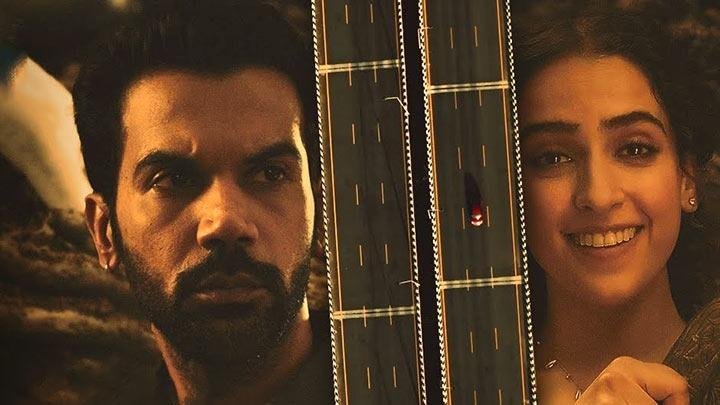
The 2026 Hindi-language film Toaster arrives as one of the most unusual releases on streaming this year. Directed by Vivek Daschaudhary and starring Rajkummar Rao and Sanya Malhotra, the film blends black comedy, thriller, and domestic satire into a bizarre yet compelling narrative. Released on Netflix on April 15, 2026, Toaster has quickly drawn attention for its quirky premise and unconventional storytelling.
At its core, Toaster explores how something as trivial as a household appliance can spiral into chaos—leading to crime, paranoia, and absurdity.
Plot Overview
The story revolves around Ramakant (Rajkummar Rao), a miserly man obsessed with money and material possessions. He reluctantly gifts an expensive toaster at a wedding, only to regret it almost immediately. When the marriage collapses shortly after, Ramakant becomes fixated on retrieving the toaster—triggering a chain reaction of bizarre events.
What begins as a petty obsession quickly escalates into a darkly comedic murder mystery, entangling Ramakant and his wife Shilpa (Sanya Malhotra) in a web of lies, misunderstandings, and unexpected deaths.
The film’s narrative thrives on escalation: each attempt to reclaim the toaster leads to deeper complications, creating a chaotic domino effect that keeps viewers engaged.
Direction and Storytelling
Director Vivek Daschaudhary takes a bold approach by mixing genres. Instead of following a traditional comedic arc, Toaster leans heavily into absurdist storytelling, where the humor emerges from discomfort and escalating tension.
The screenplay—written by Akshat Ghildial, Anagh Mukherjee, and Parveez Shaikh—focuses on situational irony and character-driven humor. The toaster itself becomes a symbolic object, representing greed, attachment, and irrational human behavior.
However, this unconventional structure may not appeal to everyone. Some viewers might find the pacing uneven, especially in the second half where the narrative becomes more chaotic than coherent.
Performances
Rajkummar Rao as Ramakant
Rajkummar Rao delivers one of his most eccentric performances to date. Known for his versatility, he fully commits to portraying a deeply flawed yet oddly relatable character. His expressions, body language, and comic timing elevate even the most absurd moments.
Sanya Malhotra as Shilpa
Sanya Malhotra provides a strong counterbalance to Rao’s character. Her performance adds emotional grounding to the story, preventing it from becoming overly chaotic. She effectively portrays a woman caught between frustration and loyalty.
Supporting Cast
The supporting ensemble—including Abhishek Banerjee, Archana Puran Singh, and Farah Khan—adds depth and humor to the narrative. Their characters contribute to the film’s layered chaos, each bringing a unique flavor to the story.
Themes and Symbolism
Despite its comedic surface, Toaster carries deeper themes:
- Material obsession – The toaster symbolizes how trivial possessions can dominate human behavior.
- Middle-class anxieties – The film subtly critiques financial insecurity and social pressures.
- Absurdity of life – It highlights how small decisions can spiral into uncontrollable consequences.
The film’s dark humor often stems from these themes, making it more than just a comedy.
Cinematography and Technical Aspects
The cinematography by Jishnu Bhattacharjee captures the film’s chaotic tone effectively. The use of tight indoor spaces and cluttered settings reflects Ramakant’s suffocating mindset.
Editing plays a crucial role in maintaining the film’s pace, although certain sequences could have been trimmed for better flow. The background score by Aman Pant complements the narrative, shifting between light-hearted and suspenseful tones seamlessly.
Audience Reception and Early Buzz
Since its release, Toaster has generated mixed but largely curious reactions. While official ratings are still emerging, early discussions suggest that audiences are intrigued by its quirky premise and offbeat humor.
On platforms like Reddit, users who watched the trailer described the film as “quirky” and a refreshing change from conventional roles for Rajkummar Rao.
Another thread praised the cast and expressed optimism, with one user noting that the film “seems like a light-hearted comedy” despite its darker undertones.
Latest News and Industry Context (2025–2026)
- Toaster was part of Netflix India’s expanding content slate showcased globally, reflecting the platform’s push toward diverse Indian storytelling.
- The film marks Patralekhaa’s debut as a producer, indicating a trend of actors moving behind the camera.
- It reunites Rajkummar Rao and Sanya Malhotra after previous collaborations, generating strong pre-release buzz.
- The teaser and promotional material emphasized its “quirky, layered story” blending humor with unexpected twists.
These factors have positioned Toaster as part of a broader shift toward experimental storytelling in Indian cinema.
Strengths
- Unique and original premise
- Strong lead performances, especially Rajkummar Rao
- Effective blend of dark comedy and thriller elements
- Sharp social commentary beneath the humor
Weaknesses
- Uneven pacing in parts
- Overly chaotic narrative may confuse some viewers
- Not suitable for audiences expecting conventional comedy
Final Verdict
Toaster is not a film for everyone—and that’s precisely its strength. It dares to be different, embracing absurdity and dark humor in a way that challenges traditional storytelling norms.
For viewers who enjoy unconventional cinema, layered narratives, and character-driven chaos, Toaster offers a refreshing experience. However, those looking for a straightforward comedy might find it overwhelming.
Rating: ★★★★☆ (4/5)
In a cinematic landscape often dominated by formulaic storytelling, Toaster stands out as a bold, eccentric experiment—one that proves even the most ordinary object can spark extraordinary chaos.
Also Read – Is Akshay Kumar’s Charm Dulled?