
Review of Traditional Japanese Ryokan Meals
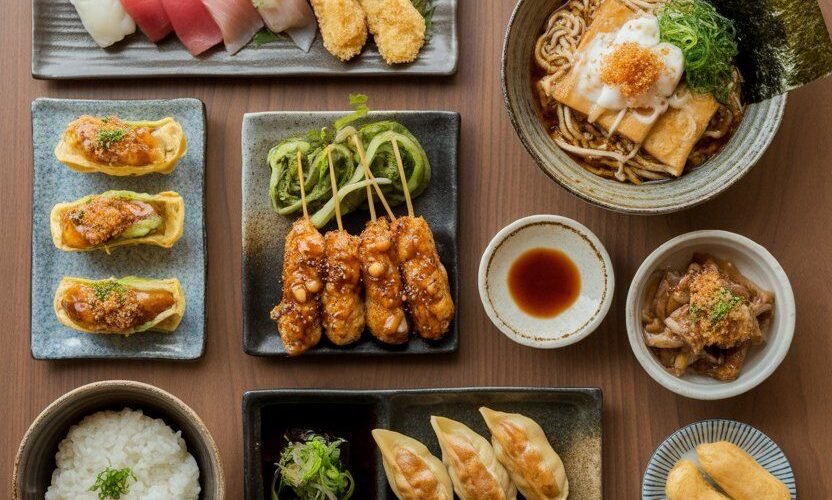
1. What Makes a Ryokan Meal Special?
Staying at a Japanese ryokan isn’t just about tatami rooms and hot springs—it’s about the meals.
Unlike standard hotel dining, ryokan meals are:
- Usually included in the room rate (dinner and breakfast)
- Served at set times, often in your room or in a private dining area
- Designed as a seasonal, multi-course experience rather than a single dish
- Closely tied to local ingredients and regional culinary traditions
For many travelers—both domestic and international—the dinner (usually a kaiseki-style feast) is the main event of a ryokan stay, often worth as much as the room itself. In 2025, despite some modernization, the core remains: meticulous presentation, seasonal balance, and a sense of omotenashi (deep hospitality).
2. The Classic Kaiseki-Style Ryokan Dinner
Most mid- to high-end ryokan serve a dinner that’s essentially kaiseki ryori, the traditional Japanese multi-course meal. The exact line-up varies, but you’ll typically encounter some version of the following:
2.1 Sakizuke (Appetizer)
A small, beautifully arranged starter, like:
- A cube of sesame tofu with wasabi
- Marinated vegetables
- A bite of seafood or seasonal greens
Think of it as the “hello” from the kitchen—subtle flavors, lots of color, and a hint of what’s to come.
2.2 Owan (Soup)
Usually a clear dashi-based soup with:
- A delicate dumpling
- A slice of fish
- Mountain vegetables or mushrooms
The broth is all about umami and restraint. It sets the tone: warm, calming, and focused on fragrance more than heaviness.
2.3 Otsukuri (Sashimi)
This is often a highlight:
- Fresh slices of tuna, sea bream, squid, or local fish
- Served with freshly grated wasabi, soy sauce, and shiso
If you’re inland, the selection may be smaller or lean more on river fish; by the coast it can be spectacular.
2.4 Nimono / Takiawase (Simmered Dish)
A gently simmered plate, perhaps:
- Seasonal root vegetables
- Pumpkin, taro, bamboo shoots
- A piece of fish, tofu, or chicken
Flavors are subtle, using soy, mirin, and dashi, emphasizing texture and harmony rather than strong seasoning.
2.5 Yakimono (Grilled Dish)
A grilled component brings aroma and a bit of char:
- Classic: miso-marinated black cod or salt-grilled fish
- In some regions: local wagyu beef slices or grilled river fish on skewers
This is where a glass of sake or beer often pairs beautifully.
2.6 Agemono (Fried Dish)
Not always present, but common:
- Tempura of mountain vegetables
- Fried fish or prawn
- Light batter, crisp texture, served with salt or dipping sauce
Even though it’s fried, it’s usually portioned small so the overall meal doesn’t feel heavy.
2.7 Mushimono (Steamed Dish)
A comforting element like:
- Chawanmushi (savory egg custard with mushrooms, chicken, or shrimp)
- Steamed tofu or seasonal vegetables
This is often the “softest” dish of the meal—gentle, comforting, and warm.
2.8 Nabe (Hot Pot)
Depending on the ryokan, you might have your own mini hot pot at the table:
- Thin slices of beef, pork, or fish with vegetables
- Cooked in broth or sukiyaki-style sauce
- You simmer it yourself over a small flame
This makes the meal interactive and adds that cozy, communal feel.
2.9 Gohan, Miso Soup, and Tsukemono (Rice, Soup, Pickles)
These usually arrive toward the end, not the beginning:
- Freshly cooked white rice (sometimes mixed grains or local varieties)
- Miso soup with tofu, seaweed, or local vegetables
- A small plate of pickles for crunch and palate-cleansing
Many first-time visitors are surprised this comes late—it’s the traditional way to “close” the savory portion of the meal.
2.10 Mizumono (Dessert)
Dessert is usually light:
- Seasonal fruit
- Small slice of cake or yokan (sweet bean jelly)
- A sorbet or pudding in more modern ryokan
Expect subtle sweetness, not a heavy Western-style dessert.
3. The Traditional Ryokan Breakfast
Ryokan breakfast is just as iconic as dinner, and it’s savory, not sugary.
A typical traditional Japanese breakfast includes:
- Grilled fish (like salted salmon)
- Rice (steaming hot, often all-you-can-eat)
- Miso soup
- Nori (seaweed sheets)
- Tamago (omelette or steamed egg)
- Pickles
- Small side dishes, such as simmered vegetables, natto (fermented soybeans), or tofu
If you’re not used to fish or rice in the morning, it can be a bit of a shock—but many guests end up loving how filling and steady it feels.
As international tourism has grown, many ryokan now offer Western-style breakfast options—toast, eggs, coffee, salad—especially in popular tourist areas. However, the traditional Japanese set is still the core offering.
4. Seasonality and Ingredients: The Heart of Ryokan Cuisine
One of the most beautiful aspects of ryokan meals is their strict seasonality. Menus change throughout the year:
- Spring: mountain vegetables (sansai), bamboo shoots, young greens, light tempura
- Summer: chilled dishes, lighter broths, fresh river fish, tofu, citrus flavors
- Autumn: mushrooms (matsutake if you’re lucky), chestnuts, root vegetables, heartier flavors
- Winter: hot pots, rich broths, fatty fish, warming miso dishes
You’ll often see local specialties woven into the courses:
- A hot spring town famous for tofu might feature multiple tofu-based dishes.
- A seaside region will showcase crab, scallops, or uni.
- A countryside ryokan might focus on wild plants, local rice, and game meat.
This regional specificity is part of what makes ryokan dining feel so authentic and memorable.
5. Regional Variations in Ryokan Meals
5.1 Hokkaido
- Lots of seafood: crab, salmon, scallops, ikura (salmon roe)
- Dairy appears more often (butter, cheese, creamy sauces)
- Hearty portions, especially at onsen resorts
5.2 Tohoku and Mountain Regions
- Emphasis on wild vegetables, mushrooms, river fish
- Hot pots to fight the cold, miso-based broths
- Pickled foods reflecting long winters
5.3 Kansai (Kyoto/Osaka Region)
- Kyoto ryokan often lean into refined kaiseki traditions
- Elegant plating, subtle flavors, seasonal vegetables, tofu specialties
- Expect more artistry on the plate and carefully balanced flavors
5.4 Kanto (Tokyo Area)
- Mix of traditional kaiseki elements with slightly more modern presentation
- Greater variety due to access to ingredients from all over Japan
5.5 Kyushu and Shikoku
- Richer flavors, more pork and chicken dishes
- Strong local specialties (e.g., Hakata cuisine, citrus fruits like yuzu and sudachi)
- Isle-based ryokan emphasize fresh fish and shellfish
Where you stay strongly shapes what you eat, even if the kaiseki structure feels familiar.
6. Dining Experience and Etiquette
6.1 Where You Eat
Depending on the ryokan, meals are served:
- In your room on low tables (classic)
- In a private or semi-private dining room
- In a banquet-style hall with partitions or small setups
Higher-end ryokan tend to favor in-room dining or very private spaces, emphasizing intimacy and calm.
6.2 What You Wear
You’re generally encouraged to wear the yukata (cotton robe) provided by the ryokan, possibly with a haori jacket in cooler months. This:
- Keeps the atmosphere relaxed
- Avoids guests needing to dress formally
- Adds to the traditional experience
Just remember to wrap the left side over the right (right-over-left is for funerals).
6.3 Timing
Meals are usually at fixed times, such as:
- Dinner: between 6:00 pm and 7:30 pm
- Breakfast: between 7:30 am and 9:00 am
Staff often ask your preferred slot at check-in. Being on time matters, since many dishes are freshly prepared and timed.
6.4 Table Manners (Simple Version)
- Wait for everyone to have their dishes before diving in, especially the main items.
- It’s fine to lift small bowls (rice, soup) closer to your mouth.
- Slurping noodles or hot soup is acceptable and even normal.
- Don’t stick chopsticks upright in rice.
- If you’re unsure, follow your host’s lead and don’t stress—ryokan staff are used to international guests.
6.5 Drinks
Most ryokan offer:
- Sake
- Beer
- Shochu
- Soft drinks and tea
Alcohol is usually billed separately, not included in the meal. Tea is often complimentary, especially at the end.
7. Modern Changes and 2025 Realities
Ryokan dining in 2025 is still rooted in tradition but has clearly adapted to modern guests.
7.1 Dietary Restrictions and Allergies
More ryokan now:
- Ask at booking about allergies (shellfish, gluten, nuts, egg, milk)
- Offer no-fish or no-meat versions in some cases
- Provide vegetarian or even vegan menus in tourist-heavy areas or upscale ryokan
However, it’s still crucial to:
- Notify the ryokan well in advance
- Understand that vegan or strict halal options may be limited outside major tourist regions
- Be flexible; traditional broths and seasonings often contain fish or bonito
7.2 Child-Friendly and Casual Formats
To accommodate families and younger travelers:
- Some ryokan introduce “kids’ plates” with karaage (fried chicken), hamburg steak, French fries, and dessert.
- Others use a semi-buffet format where the kaiseki elements are supplemented by salad, dessert, or side-dish buffets.
- Simpler “mini kaiseki” courses are offered for guests who prefer fewer dishes or shorter mealtimes.
7.3 Visual Presentation and Social Media
Ryokan are now very aware of the “camera eats first” habit:
- Plating is more photogenic than ever
- Seasonal motifs appear in dishware and decorations
- Some ryokan promote their meals on social media with menus and photos
Without compromising tradition, they lean into aesthetics that photograph well—careful garnish, colorful ingredients, and stylish ceramics.
7.4 Pricing Reality
By 2025, food costs and staffing pressures have pushed ryokan to:
- Raise room-and-meal package prices
- Reduce the number of ultra-luxury items in standard plans (like premium crab or wagyu)
- Introduce tiered meal plans (standard, upgraded, premium seasonal)
A large part of what you pay at a ryokan is the meal quality and variety, so cheaper plans may offer fewer courses or slightly simpler menus.
8. Pros and Cons of Traditional Ryokan Meals
8.1 Pros
- Unique cultural experience you cannot duplicate in a casual restaurant
- Deep connection to place—local ingredients, seasonal menus
- Slow, mindful dining instead of rushed eating
- Impeccable hospitality—staff explain dishes, adapt pace, and cater to comfort
- Great value as a package compared to ordering equivalent courses in a high-end restaurant
8.2 Cons
- Set menus can be tough if you’re a picky eater
- Traditional flavors may feel subtle or unfamiliar if you’re used to bold seasoning
- Fixed dinner times might feel restrictive for spontaneous travelers
- Alcohol and extras can significantly raise the final bill
- Guests with strict dietary restrictions may need extra planning or may not be fully accommodated in rural ryokan
9. How to Get the Most Out of a Ryokan Meal
9.1 Before You Book
- Check if dinner and breakfast are included—many ryokan offer “with meals” and “room only” plans now.
- If you’re vegetarian, vegan, or have allergies, email in advance and confirm what’s realistically possible.
- Look for photos of meals to get a sense of portion size and style.
9.2 While You’re There
- Don’t rush—give yourself the full evening to enjoy dinner.
- Ask simple questions; staff often enjoy explaining local specialties.
- Try at least one local drink (sake, shochu, or even regional soft drinks).
- Pace yourself—kaiseki has many small courses, and rice usually comes near the end, so you don’t have to fill up early.
9.3 After the Meal
- Many ryokan will ask what you liked and didn’t like—this feedback sometimes influences the breakfast or future visits.
- If a particular dish blew your mind, ask about it; some ryokan sell their own miso, pickles, or sweets as souvenirs.
10. Final Thoughts: Are Ryokan Meals Worth It?
If you’re interested in Japanese culture beyond sightseeing, then yes, traditional ryokan meals are absolutely worth it. They are:
- A living expression of regional Japanese cuisine
- A sensory journey through season, place, and hospitality
- A reminder that eating can be an experience, not just an intake of calories
In 2025, while ryokan have adapted to international travelers and modern dietary needs, the core hasn’t changed: carefully prepared, seasonal dishes served with grace in a setting designed for rest and reflection.
If you plan a trip to Japan, consider at least one night in a ryokan with dinner and breakfast included. Even if you usually travel on a budget, it can be the single most memorable “splurge” of your journey—one that stays with you long after the last bowl of miso soup.
ALSO READ: Top Luggage Brands for Frequent Flyers – Comparison