
10 ‘Healthy’ Foods That Secretly Ruin Your Diet Quickly
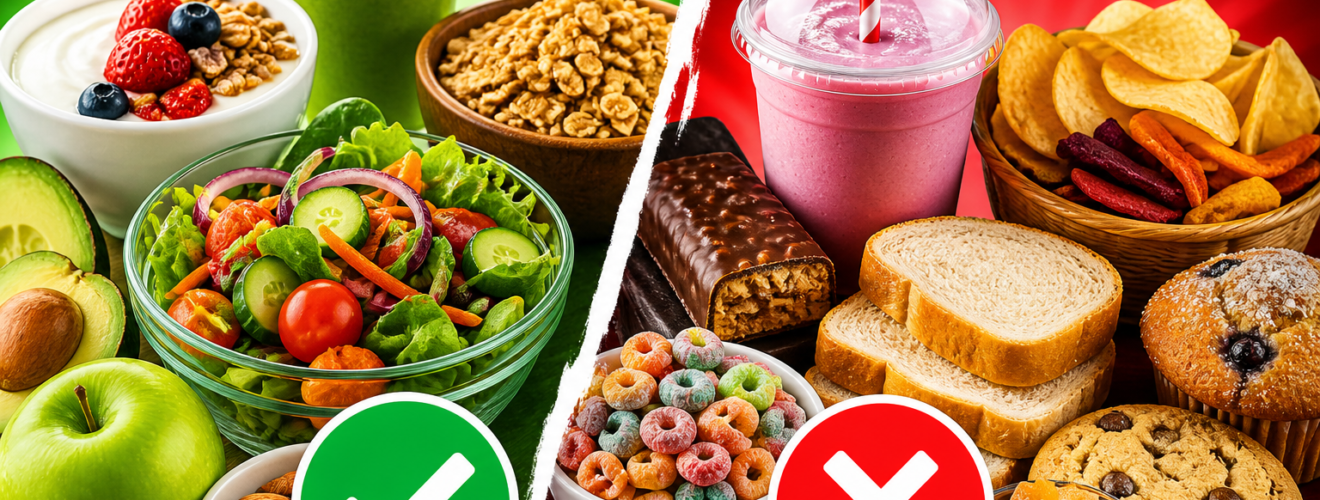
You probably fill your plate with foods you believe support your health. Labels promise “low-fat,” “natural,” or “high-protein,” and you trust those claims. Yet many of these foods quietly work against your goals. They spike your blood sugar, increase cravings, or load your body with hidden calories.
Let’s break down ten common “healthy” foods that often derail your diet—and what you should choose instead.
1. Flavored Yogurt
You might grab flavored yogurt for probiotics and protein. However, most brands pack it with added sugar. A single serving can contain as much sugar as a dessert.
Choose plain yogurt instead. Add fresh fruit or a drizzle of honey if you want sweetness. This way, you control the sugar and still enjoy the benefits.
2. Granola
Granola looks like the ultimate health food. It contains oats, nuts, and dried fruit. But manufacturers often add sugar, oils, and syrups.
A small bowl can carry hundreds of calories. Instead, try plain oats with nuts and seeds. You get fiber and healthy fats without the sugar overload.
3. Fruit Juice
Fruit juice sounds healthy because it comes from fruit. But it removes fiber and concentrates sugar. Your body absorbs it quickly, which causes blood sugar spikes.
Eat whole fruit instead. Whole fruits provide fiber that slows digestion and keeps you full longer.
4. Protein Bars
Protein bars promise convenience and nutrition. Many of them resemble candy bars more than health food. They include added sugars, artificial flavors, and processed ingredients.
If you need a quick snack, go for whole foods like boiled eggs, nuts, or fruit with peanut butter. These options fuel your body without hidden junk.
5. Smoothies (Store-Bought)
Smoothies can support a healthy lifestyle—but only if you make them right. Store-bought versions often include syrups, sweetened yogurt, and fruit concentrates.
You can easily consume more calories than a full meal. Make your own smoothies at home using whole fruits, vegetables, and protein sources like Greek yogurt.
6. Low-Fat Foods
Low-fat products sound like a smart choice. But when brands remove fat, they often add sugar and artificial ingredients to improve taste.
Fat helps you feel satisfied. Without it, you may eat more. Choose whole foods with natural fats like avocados, nuts, and olive oil instead.
7. Whole Wheat Bread (Processed)
You might think all whole wheat bread supports your health. Many packaged versions still contain refined flour and added sugars.
Check the ingredient list. Look for bread made from 100% whole grains. Better yet, try alternatives like sourdough or homemade options.
8. Dried Fruit
Dried fruit provides vitamins and minerals, but it also concentrates sugar. A handful of dried fruit equals multiple servings of fresh fruit.
You can easily overeat it. Stick with fresh fruit when possible. If you choose dried fruit, keep portions small.
9. Salad Dressings (Store-Bought)
Salads can turn unhealthy quickly because of dressings. Many bottled dressings include sugar, preservatives, and unhealthy oils.
Make your own dressing using olive oil, lemon juice, and herbs. You improve flavor and avoid unnecessary additives.
10. Veggie Chips
Veggie chips sound healthier than regular chips. In reality, manufacturers fry them and add salt and flavorings.
They often contain the same calories as potato chips. If you want a crunchy snack, try roasted vegetables or air-popped popcorn.
Why These Foods Trick You
Food companies know how to market products. They highlight buzzwords like “organic,” “gluten-free,” or “high-protein.” These labels create a healthy image, even when the product contains sugar, refined carbs, or additives.
You also tend to eat more when you believe a food supports your health. This mindset leads to overeating and slows your progress.
How to Make Smarter Choices
You don’t need to eliminate these foods completely. Instead, focus on awareness and balance.
- Read ingredient labels carefully
- Choose whole, minimally processed foods
- Control portion sizes
- Prepare meals at home when possible
- Focus on nutrients, not marketing claims
When you build your diet around real food, you naturally reduce hidden sugars and unhealthy additives.
The Bottom Line
Many foods that look healthy can quietly sabotage your diet. You can avoid this trap by staying informed and making intentional choices.
Focus on whole foods, simple ingredients, and balanced meals. Small changes create a big impact over time. Your body responds best when you give it real nourishment—not clever marketing.
Also Read – 7 Things Schools Don’t Teach (But Absolutely Should)