Diwali Celebrations in Modern India: Changing Traditions
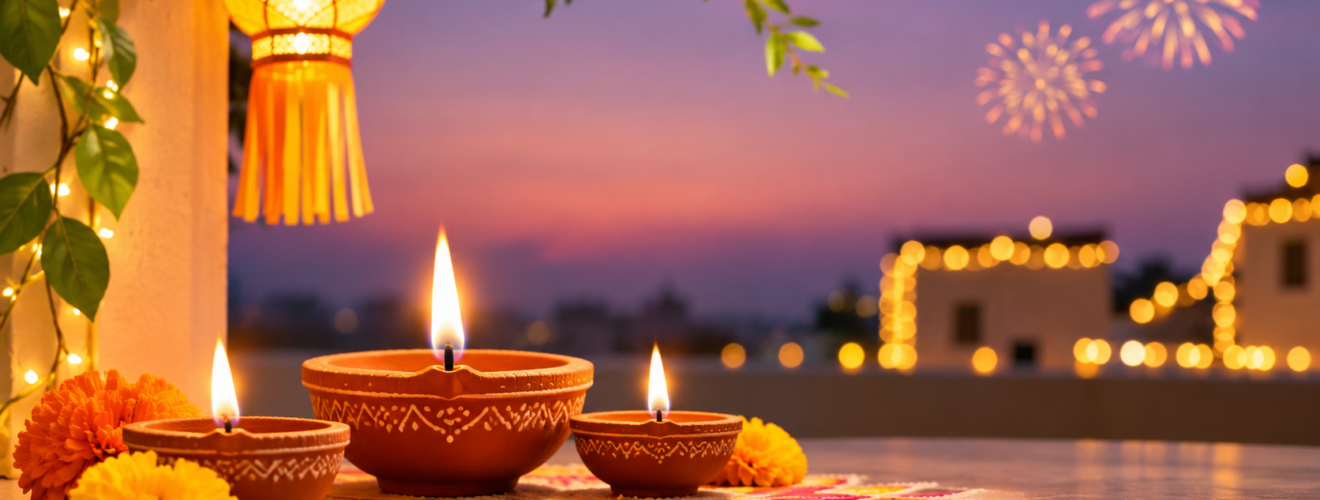
Diwali is one of the most loved festivals in India. It is also known as the Festival of Lights. Every year, millions of people across the country celebrate this special occasion with joy, love and hope. The festival stands for the victory of good over evil and light over darkness. It also marks the start of a new phase for many families and businesses.
In the past, Diwali was mostly a simple family festival. People cleaned their homes, lit oil lamps, made sweets and spent time with their loved ones. Today, the way people celebrate this festival has changed in many ways. Modern homes have bright LED lights, online shops offer festive deals, and social media has become a part of the celebrations. People also prefer eco-friendly ways to enjoy the festival.
Although many customs have changed, the main values of Diwali remain the same. Love, peace, family, hope and happiness still form the heart of this festival. Let us look at how Diwali celebrations in modern India have changed over time.
The Traditional Way of Diwali Celebrations
In earlier times, Diwali was a simple yet special event for Indian families. People prepared for the festival many days before the main date. They cleaned every corner of their homes, washed clothes and bought new items for the house. It was believed that a clean and bright home would welcome Goddess Lakshmi, the goddess of wealth and good fortune.
Families made sweets and snacks at home. Popular treats such as laddoos, gujiya, chakli, namak pare and barfi were common in many households. Women often prepared special dishes with the help of other family members. Neighbours also shared food with each other.
On the main day, people wore new clothes, performed Lakshmi Puja and lit earthen diyas around their homes. Children were excited about sweets, gifts and firecrackers. Families also visited their relatives and exchanged good wishes. These customs gave people a chance to spend time with those they loved.
The Rise of Modern Diwali Celebrations
Today, Diwali has a new look in many Indian homes. The basic customs remain, but modern ideas have become a part of the festival. People now use LED lights, electric lamps, fancy lanterns and decorative items to make their homes look beautiful.
Many families prefer ready-made sweets and snacks from famous shops instead of home-cooked food. Some order food online or hire caterers for festive parties. People also use online services to buy clothes, gifts and home decor.
Modern life has made many tasks easier. People who have busy work schedules can shop from home and order almost everything with a few clicks. At the same time, some families still follow old customs and prepare food at home. This mix of old and new has become a common part of Diwali in modern India.
The Change in Home Decoration
Home decoration has always been an important part of Diwali. In the past, people used clay diyas, flowers, rangoli and simple paper decorations to add beauty to their homes. These items gave a warm and traditional feel to the festival.
Today, decoration styles have become more varied. Many people use LED strips, fairy lights, electronic lamps and colourful lanterns. Decorative wall pieces, artificial flowers and themed home decor are also popular. Some families choose a single colour theme for their entire home.
Rangoli is still a favourite tradition. However, people now use ready-made rangoli colours, flower petals, stencils and rangoli stickers. Some even create large designs at the entrance of their homes.
Despite these changes, the purpose of decoration remains the same. People want their homes to look clean, bright and welcoming during this special time.
The Impact of Online Shopping
One of the biggest changes in modern Diwali celebrations is the rise of online shopping. In the past, people had to visit local markets to buy clothes, sweets, gifts and decoration items. Markets were full of people, and families often spent an entire day on festive shopping.
Today, online shopping platforms have made this task much easier. People can buy almost anything from their phones or computers. Clothes, electronic items, home appliances, jewellery, sweets and gifts are all available online.
Many shopping websites offer special Diwali sales and discounts. As a result, people often plan their purchases around these deals. Digital payments have also made shopping faster and easier.
However, local markets still have a special place in Diwali celebrations. Many people prefer to buy diyas, flowers, sweets and handmade products from local sellers. This helps small shop owners and local workers earn money during the festive season.
The Changing Trend of Gifts
Gift exchange has always been an important part of Diwali. In the past, families usually gave sweets, dry fruits, clothes and small household items to relatives and close friends. These gifts were a simple way to show love and respect.
Today, the choice of gifts has become much wider. People give chocolates, perfumes, watches, electronic gadgets, gift cards and beauty products. Many companies also send gift boxes to their staff, clients and business partners.
Personalised gifts have become popular too. Photo frames, name-based items, custom mugs and special gift boxes are common choices. Some people also prefer useful gifts such as plants, books and kitchen items.
Digital gift cards and online vouchers have made gift exchange easier. Even people who live far away can send gifts to their loved ones. The style of gifts may have changed, but the message of love and care remains the same.
The Role of Social Media in Diwali
Social media has become a major part of modern Diwali celebrations. People use platforms such as Instagram, Facebook and WhatsApp to share photos, videos and festival wishes. They post pictures of their outfits, home decorations, sweets and family events.
In the past, people had to meet in person or make phone calls to wish their relatives. Today, a simple message or video call can connect people across different cities and countries.
Many people also use social media to share creative rangoli designs, recipes and decoration ideas. Small businesses use these platforms to promote their festive products and attract customers.
However, social media has also changed the way some people see Diwali. There can be pressure to have the best decorations, clothes or parties. Some people compare their celebrations with the photos of others. It is important to remember that Diwali is not about perfect pictures or expensive displays. Its true value lies in happiness, peace and time with loved ones.
The Growing Popularity of Diwali Parties
Earlier, Diwali was mostly a family event. People visited relatives, performed prayers and shared meals at home. Today, parties have become a common part of the festival, especially in cities.
Housing societies, offices, schools and clubs often arrange Diwali events. These events may include music, dance, games, food stalls and contests. People dress in traditional clothes and enjoy time with friends and neighbours.
Office Diwali parties have also become popular. Many companies arrange small events for their staff. These parties give employees a chance to relax and enjoy the festive mood with their colleagues.
While parties add fun to the festival, family customs still matter. Many people prefer a balance between social events and time at home with their loved ones.
The Change in Firecracker Use
Firecrackers have been a part of Diwali for many years. In the past, children and adults used to enjoy different types of crackers as a part of the celebration. The sound and bright colours of fireworks added excitement to the festival.
However, people are now more aware of the harmful effects of firecrackers. They release smoke and harmful gases into the air. They also cause noise pollution, which can affect children, older people, pets and those with health concerns.
In recent years, many people have chosen to avoid firecrackers or use fewer of them. Some prefer green crackers, which are designed to reduce certain harmful effects. Others choose simple family activities, such as diya decoration, sweets and indoor games.
This change shows that people are more aware of their duty towards the environment and public health. A happy Diwali should also be a safe one.
The Rise of Eco-Friendly Diwali
Eco-friendly Diwali has become an important idea in modern India. More people now understand that festivals should not harm nature. As a result, they are making small changes to their celebrations.
Clay diyas, natural rangoli colours, fresh flowers and reusable decorations are popular choices. Some people avoid plastic decor and use paper, cloth or natural materials instead. Many also choose gifts with less packaging.
People have also started to support local potters and small businesses. The purchase of handmade diyas and traditional decor helps local workers earn a fair income.
Eco-friendly celebrations do not mean that people must give up all the fun. They simply mean that we can enjoy the festival with care for the planet. Even small steps can make a positive difference.
Diwali and the Indian Economy
Diwali has a major role in the Indian economy. It is one of the busiest times of the year for many businesses. People spend money on clothes, food, sweets, electronics, home decor, gifts and other items.
Local shops, shopping malls, online stores, sweet shops and small sellers all benefit from the festive season. Many businesses offer special deals to attract customers. Companies also launch new products and festive offers during this period.
The festival also creates extra work for delivery staff, shop workers, artisans, decorators and many other people. For small businesses, Diwali can be a very important time for sales and income.
At the same time, people should make wise choices with their money. It is easy to spend more than planned due to festive offers and advertisements. A happy Diwali does not need costly gifts or luxury products. A simple celebration can be just as special.
The Role of Technology in Modern Diwali
Technology has made many parts of Diwali easier. People use mobile apps to order food, buy gifts, make digital payments and send wishes. Video calls help families stay close even when they live far apart.
Digital invitations have also replaced many printed cards. People can create attractive festival messages and share them with hundreds of contacts in a short time.
Online prayer services and live broadcasts also help some families take part in religious events from home. At the same time, many people still prefer a visit to a temple and a traditional family puja.
Technology has not replaced the meaning of Diwali. Instead, it has given people new ways to follow old customs and stay connected with loved ones.
Diwali Celebrations Across Different Parts of India
Diwali is celebrated across India, but customs can differ from one state to another. In North India, the festival is often linked to the return of Lord Rama to Ayodhya after fourteen years of exile and his victory over Ravana. People light diyas, perform Lakshmi Puja and enjoy festive meals.
In Gujarat, Diwali also marks the start of a new business year for many traders. In West Bengal, Kali Puja is an important part of the festival. In Maharashtra, the celebrations may include special food and several days of family customs.
In South India, Naraka Chaturdashi has great importance in many homes. People wake up early, take a ritual oil bath and wear new clothes. In many parts of India, the festival is also a time for family visits and prayers.
Modern lifestyles have brought some common habits across the country, but local customs remain an important part of the celebration.
The Importance of Family Values
No matter how much Diwali changes, family remains at its heart. The festival gives people a reason to meet relatives, visit friends and spend time with loved ones.
In many cities, people travel to their hometowns during Diwali. Families come together for prayers, meals, games and gift exchange. Children learn about old customs from their parents and grandparents.
For people who live far from their families, video calls and online wishes help them stay connected. Although these methods cannot fully replace a personal visit, they make distance feel a little smaller.
Diwali also teaches the value of kindness. A visit to someone who feels alone, a small gift to a worker or a meal for a needy person can make the festival more meaningful.
Conclusion
Diwali celebrations in modern India have changed in many ways. From simple clay diyas to bright LED lights, from local market visits to online shopping, and from small family events to large festive parties, the style of celebration has become quite different.
Yet, the heart of Diwali remains the same. It is a festival of hope, love, peace and new beginnings. Modern tools and ideas have made celebrations easier, but they should not take away the true meaning of the occasion.
The best way to celebrate Diwali is to find a balance between old traditions and new habits. We can enjoy modern comforts while also respect our culture, care for nature and support local workers. We can choose safe celebrations, share what we have and make time for family.
After all, Diwali is not about how bright our homes look or how much money we spend. It is about the light, joy and kindness we bring into the lives of others.
Also Read – 10 Movies That Made RDJ the Greatest of All Time