
10 Global Brands That Quietly Lost Their Cool
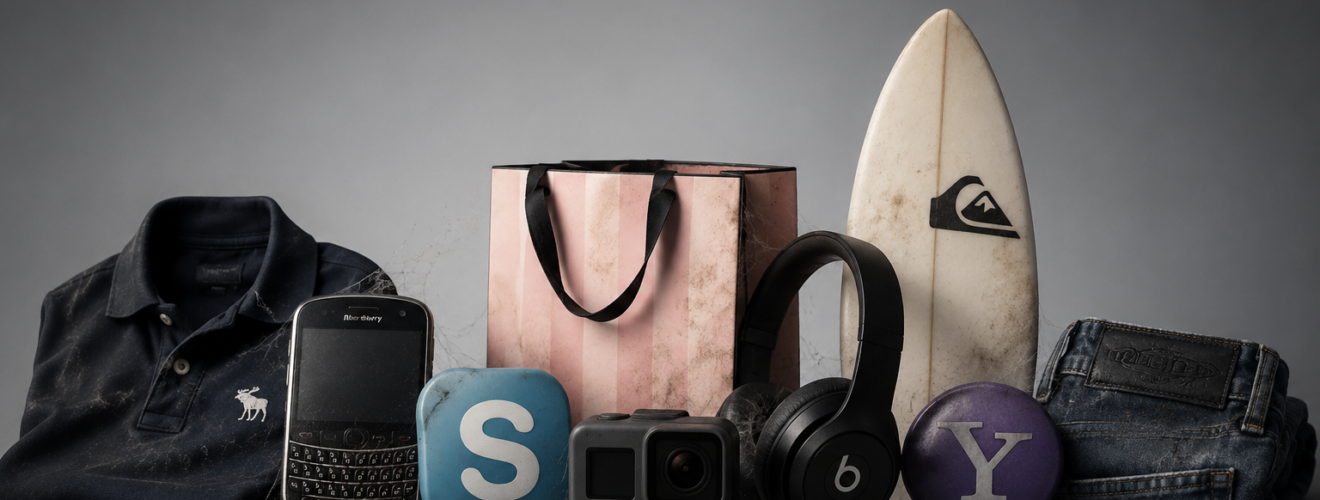
Every brand dreams of staying popular forever. Some names become so famous that people believe they will always lead the market. They attract loyal buyers, appear in movies, become part of daily life, and even shape popular culture. Yet the business world changes very fast. New ideas, fresh trends, and better products can push even the biggest names into the background.
This does not always mean a brand has failed. Many still earn good money and sell millions of products. The difference is that they no longer create the same excitement. Years ago, people proudly showed these brands to friends. Today, many buyers simply see them as ordinary names.
Here are ten global brands that quietly lost their cool over the years and the reasons behind that change.
Abercrombie & Fitch
There was a time when Abercrombie & Fitch stood at the top of youth fashion. During the early 2000s, teenagers and young adults loved its logo shirts, hoodies, and jeans. Many people felt that wearing the brand showed style and social status.
As fashion changed, buyers wanted clothes with a simpler look. Large logos became less popular. Many people also disliked the brand’s old image because it seemed too exclusive. New fashion companies offered fresh styles that matched modern tastes.
The company later improved its collections and welcomed a wider group of customers. Sales became stronger again. Even with this success, Abercrombie & Fitch no longer shapes youth culture the way it once did.
BlackBerry
BlackBerry was once the favorite smartphone for business leaders, government officials, and professionals around the world. Its physical keyboard made typing easy, and its strong security earned trust from large companies.
Everything changed after touchscreen smartphones became popular. Apple introduced the iPhone, while Android phones quickly grew across the world. Buyers wanted larger screens, better apps, and a smoother user experience.
BlackBerry struggled to keep up with these changes. Its phones slowly disappeared from stores, and the brand lost the strong position it once enjoyed. Today, many people remember BlackBerry as one of the biggest missed chances in technology.
Skype
Before video meetings became common, Skype connected families, friends, and businesses across different countries. It made free internet calls simple and helped millions stay in touch.
As the market changed, new services arrived with better features and easier access. Zoom became the first choice for online meetings. Google Meet and FaceTime attracted many users, while Microsoft Teams became popular in workplaces.
Microsoft eventually retired Skype and focused on Teams instead. Although Skype played a major role in internet communication, it no longer holds the place it once had.
GoPro
GoPro became famous because it gave people a new way to capture adventures. Travelers, athletes, and content creators attached its small cameras to helmets, bikes, and surfboards. The unique videos quickly became popular across social media.
Later, smartphone cameras improved at a remarkable pace. Many people no longer needed a separate action camera for everyday videos. At the same time, the action camera market became more crowded.
GoPro still has loyal customers, especially among adventure lovers. However, the brand no longer creates the same excitement that made it a global trend years ago.
Superdry
Superdry became well known because of its bold designs, bright colors, and Japanese-inspired graphics. Many young shoppers loved its jackets, hoodies, and casual clothing.
Over time, fashion trends moved toward cleaner and simpler designs. Buyers also looked for brands with fresh ideas and modern collections. Superdry found it difficult to match these changes.
The company introduced new plans to refresh its image and attract customers again. Even so, it has not returned to the strong cultural influence it enjoyed during its peak years.
Victoria’s Secret
For many years, Victoria’s Secret ruled the lingerie market. Its fashion shows attracted millions of viewers, and its models became global celebrities. The brand represented glamour and luxury for many shoppers.
Consumer preferences later changed. Buyers wanted products that focused more on comfort, diversity, and body positivity. Many newer brands welcomed people of different shapes and sizes, which helped them connect with modern audiences.
Victoria’s Secret made changes to improve its image and product range. Despite these efforts, the brand no longer enjoys the same cultural power it once held.
Quiksilver
Quiksilver became one of the biggest names in surf and skate fashion. Its clothing represented an active outdoor lifestyle. Many young people wanted its shirts, shorts, and accessories because they matched the popular beach culture of the time.
Fashion trends later shifted toward athleisure, simple streetwear, and minimalist designs. Surf culture remained popular among dedicated fans, but it no longer attracted the same wide audience.
Quiksilver continues to serve loyal customers, yet it has lost much of the broad appeal that once made it a global fashion icon.
Yahoo
Yahoo helped shape the early internet. Millions of people used Yahoo Mail, Yahoo News, and its homepage every day. For many families, Yahoo became the first stop after opening a web browser.
The rise of Google changed everything. Google offered faster search results and a cleaner experience. Other digital platforms also captured areas where Yahoo once led.
Yahoo still exists and provides several online services. However, it no longer plays the major role it enjoyed during the early years of the internet.
Beats by Dre
Beats by Dre changed the headphone market with bold designs, celebrity support, and powerful marketing. Many music lovers wanted a pair because the brand became a fashion statement as much as an audio product.
Apple bought Beats in 2014, which strengthened its business. Even so, the market changed. Sony, Bose, and several premium audio companies gained praise for sound quality and advanced features.
Beats remains popular among many buyers, but it no longer dominates conversations about premium headphones like it once did.
Diesel
Diesel built its reputation through bold advertising, premium denim, and unique fashion. For many years, people saw the brand as stylish, modern, and different from traditional clothing companies.
Fashion later moved toward quiet luxury and cleaner designs. Buyers also explored many new premium fashion labels that better matched current tastes.
Diesel still has loyal fans and continues to launch new collections. Even so, the brand no longer enjoys the same level of influence that made it one of the biggest names in premium denim.
Final Thoughts
Popularity does not last forever, even for the world’s biggest brands. Consumer tastes change, technology moves ahead, and new competitors appear with fresh ideas. Brands that fail to adapt often lose their special place in people’s minds.
The companies on this list have not disappeared. Some continue to earn strong profits, while others have rebuilt parts of their business. However, they no longer create the same excitement that once made them trendsetters around the world.
Their stories remind every business that success depends on constant change. A famous name can open doors, but only innovation, strong customer understanding, and the ability to evolve can keep a brand cool for the long term.
Also Read – Top 10 Best Home Assistant Platforms for Smart Homes