
How to Stay Consistent During a Fat-Loss Phase
A fat-loss phase needs a clear purpose before it needs a strict diet. The main goal may involve lower body fat, better fitness, a healthier waist size, or a stronger sense of control around food. A clear reason gives the phase direction and makes hard days easier to handle. Without a defined aim, small setbacks can feel larger than they really are.
The goal also needs a realistic time frame. Fat loss rarely follows a perfect pattern from one day to the next. Body weight can rise after a salty meal, a large meal, a late dinner, or a change in water levels. Such changes do not always mean that body fat has increased. A steady view of progress helps prevent emotional reactions to normal changes.
Keep the Diet Simple
A successful fat-loss diet does not need a long list of special foods. Simple meals can make daily choices easier. Each meal can contain a useful protein source, vegetables or fruit, a suitable amount of carbohydrates, and some healthy fat. This structure can provide enough variety without turning food into a constant maths problem.
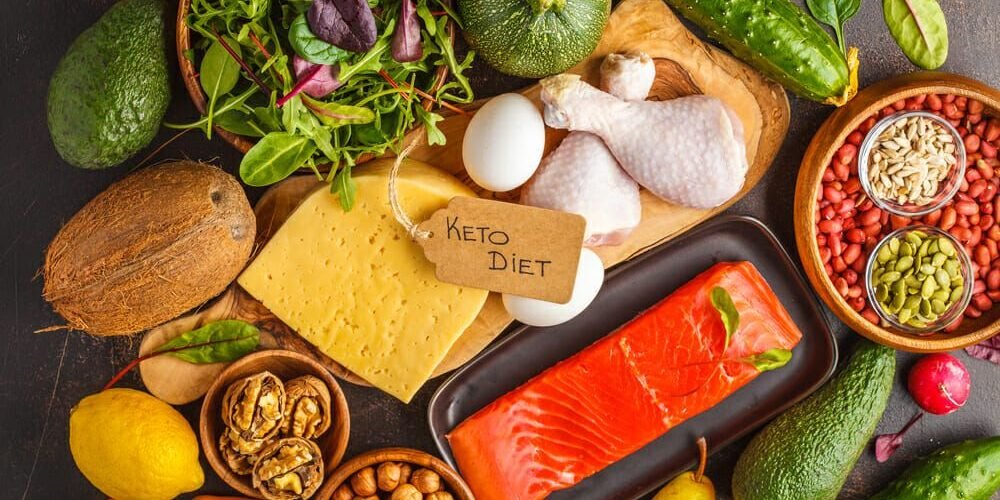
Protein deserves special attention during fat loss. Foods such as eggs, fish, chicken, lean meat, Greek yogurt, cottage cheese, tofu, beans, and lentils can help support muscle while calorie intake stays lower. A balanced meal also helps control hunger, which can make the entire phase easier to manage.
Food choices should also fit normal life. A diet that only works under perfect conditions will often fail when work, travel, family events, or social meals appear. A practical plan allows some flexibility without turning one larger meal into an excuse to abandon the entire diet.
Set a Calorie Target That Can Last
A calorie deficit drives fat loss, yet a very large deficit can create unnecessary problems. Severe restriction may increase hunger, reduce energy, affect training quality, and make food harder to control. A moderate deficit often gives a better balance between progress and daily comfort.
The right calorie target can differ from person to person. Body size, activity level, training, age, and current food intake all matter. The best target allows gradual progress while leaving enough food for normal meals and adequate nutrition.
A useful plan should also allow small changes. If body weight stays stable for several weeks despite good adherence, calorie intake or activity may need an adjustment. If weight falls too fast and energy drops sharply, the deficit may need to become smaller.
Build Meals Around Protein and Fibre
Hunger can become one of the biggest challenges during a fat-loss phase. Protein and fibre can help create fuller meals without a huge calorie load. Vegetables, fruit, oats, potatoes, whole grains, beans, and lentils can add volume and fibre to the diet.
Protein also helps protect lean muscle when calories remain below maintenance. This matters during fat loss, especially when resistance training forms part of the routine. A strong focus on protein can make meals more satisfying and support better training recovery.
Meal timing can remain flexible. Some people prefer three larger meals, while others prefer smaller meals across the day. The better choice comes from personal hunger, schedule, training needs, and food preferences rather than a fixed rule.
Create a Routine That Reduces Decisions
Consistency becomes easier when the day has a basic structure. Similar breakfast choices, regular meal times, planned grocery trips, and simple food preparation can reduce the number of decisions that appear throughout the day.
A small group of reliable meals can help a lot. A few breakfasts, lunches, dinners, and snacks can cover most days without creating boredom. Favourite foods can still have a place, yet the diet should not depend on constant novelty.
The same idea applies to exercise. A fixed training schedule creates a clear expectation. A walk after a meal, a short gym session, or a set daily step target can become part of the normal routine rather than a task that requires constant motivation.
Do Not Depend on Motivation
Motivation changes from day to day. Some mornings feel easy, while other days bring low energy, stress, poor sleep, or a busy schedule. A fat-loss phase cannot rely on strong motivation every day.
Habits offer more stability. When meals, training, sleep, and daily movement follow a familiar pattern, fewer choices need conscious effort. The goal is not perfect discipline. The goal is a routine that still works when motivation feels low.
This approach also removes the idea that every day must feel productive. A less active day does not ruin progress. One restaurant meal does not erase weeks of work. A missed workout does not require punishment. The next sensible choice matters more than the previous mistake.
Plan for Difficult Situations
Most fat-loss problems do not appear during a normal day. They often appear at restaurants, parties, holidays, work events, travel days, or family gatherings. A plan for these situations can prevent a small challenge from turning into a major setback.
Before a social meal, normal eating during the day can help avoid extreme hunger at dinner. At the event, a balanced plate can include protein, vegetables, and a reasonable portion of favourite foods. There is no need to treat social food as forbidden.
Travel also needs a simple strategy. Protein-rich snacks, fruit, yogurt, sandwiches, or other familiar options can help when food choices become limited. The aim is not to control every detail. The aim is to keep the overall pattern close to normal.
Track Progress With More Than Scale Weight
Body weight provides useful information, but it does not tell the entire story. Waist measurements, progress photos, gym performance, clothing fit, and average body weight can offer a broader picture.
Daily weight can move up and down even when fat loss continues. A weekly average gives a clearer view than one morning’s number. Measurements taken under similar conditions can also show changes that the scale does not capture clearly.
Progress should also include performance and daily comfort. Better stamina, stronger lifts, improved food control, and more stable energy can all show that the plan works well.
Protect Sleep and Recovery
Sleep often gets less attention during fat loss than food and exercise, yet it plays an important role in the overall process. Poor sleep can make hunger harder to manage and can reduce energy for training and daily movement.
A regular sleep schedule can support better recovery. A calm evening routine, less late-night screen time, and a comfortable sleep environment may help create better rest. Recovery also means allowing the body enough time between hard training sessions.
More exercise does not always mean better results. Excessive training can increase fatigue and make the diet harder to maintain. A balanced plan should support progress without making daily life miserable.
Handle Setbacks Without Quitting
A setback should stay a setback. It should not become a reason to stop the entire fat-loss phase. A high-calorie meal, missed workout, or weekend with poor food choices may slow progress for a short time, but a return to the normal routine can restore direction.
The worst response usually involves extreme correction. Skipping meals, excessive cardio, or severe calorie restriction can create another cycle of hunger and overeating. A normal meal at the next opportunity offers a much better response.
Consistency does not mean perfection. It means returning to the plan often enough for the overall pattern to produce results.
Make the Plan Fit Real Life
The strongest fat-loss plan can survive ordinary life. Work pressure, birthdays, dinners out, travel, tired mornings, and unexpected changes will happen. A rigid system may struggle under these conditions, while a flexible system can adjust without losing its main purpose.
Food should remain enjoyable. Training should feel useful rather than like punishment. Rest should have a place. Social life should not disappear during a fat-loss phase.
Long-term success comes from repeatable actions rather than dramatic short-term effort. A moderate calorie deficit, enough protein, regular resistance training, daily movement, proper sleep, and sensible food choices can create a strong foundation.
Focus on the Next Decision
Fat loss becomes easier when attention stays on the next useful action. The next meal can follow the plan. The next workout can happen at the planned time. The next night can include proper sleep. A difficult day does not need a perfect recovery strategy.
The real skill lies in returning to the routine again and again. Results come from the pattern across many weeks, not from one perfect day. Consistency grows when the plan remains simple, realistic, flexible, and easy enough to follow even when life does not go exactly as planned.
Also Read – How to Build a Simple Fall Skincare Routine That Works