
Top 10 Best Home Assistant Platforms for Smart Homes
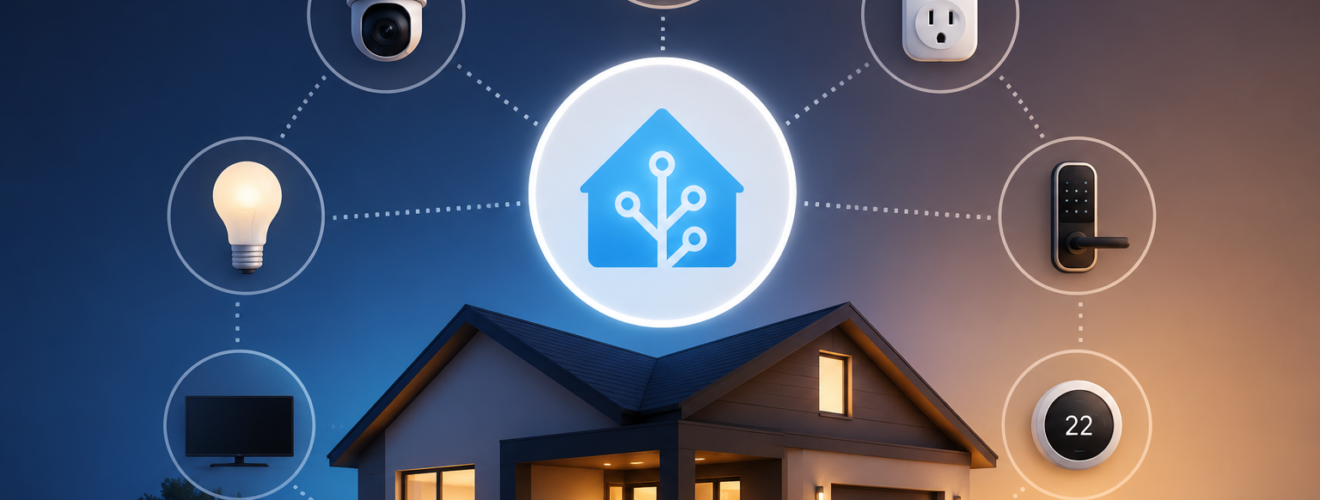
Smart homes have become a major part of modern life. Many people now use smart lights, smart cameras, smart locks, and voice control systems inside their homes. To manage all these devices, people need a good home assistant platform. A home assistant platform helps connect smart devices and allows users to control everything from one place.
Today, many companies offer home automation systems. Some focus on privacy, some work best for beginners, and some provide advanced options for people who want full control. In 2026, several platforms stand out because of their features, ease of use, and device support.
Here are the top 10 home assistant platforms that people trust the most.
Home Assistant Remains the Best Choice for Advanced Users
Home Assistant has become one of the most popular smart home platforms in recent years. It works best for users who want complete control over their home automation system. The platform supports more than 3,600 integrations, which means users can connect thousands of smart devices without much trouble.
One of its biggest advantages is local control. This means data stays inside the home instead of going to cloud servers. It also gives users strong privacy protection. Since it is open-source software, users can customize almost every part of the system. The only challenge is the setup process, which may feel difficult for beginners.
Samsung SmartThings Works Best for Everyday Users
Samsung SmartThings has built a strong reputation because of its simple design and wide device support. It allows users to connect smart bulbs, cameras, thermostats, and many other devices from different brands.
The platform supports Matter, which is a new universal smart home standard. This makes device connection much easier. SmartThings offers a clean mobile app that helps users control everything without confusion. However, many features depend on cloud services, so internet connection plays a big role.
Apple HomeKit Offers Strong Privacy and Security
Apple HomeKit has become the first choice for people who already use iPhones, iPads, and other Apple products. It offers a secure smart home experience with strong privacy protection.
Many commands run locally, which helps reduce security risks. Users can control devices through Apple Home app and Siri voice commands. The overall system feels smooth and reliable. The main limitation comes from higher device prices and fewer budget-friendly options compared to other platforms.
Amazon Alexa Leads the Voice Assistant Market
Amazon Alexa has remained one of the most widely used smart home platforms around the world. Many people choose Alexa because of its excellent voice control system and affordable smart speakers.
Alexa supports a huge number of smart home products from different brands. Users can create custom routines for daily tasks like turning lights on, adjusting temperature, or locking doors. Since most features rely on cloud servers, privacy concerns remain a major weakness for some users.
Google Home Provides Strong AI Features
Google Home has gained popularity because of Google’s powerful voice recognition technology. The platform works very well for people who already use Android phones and Google services.
One of its biggest strengths comes from Gemini AI integration, which improves voice command accuracy and overall smart home control. Users can easily connect many smart devices and manage them through the Google Home app. The downside is reduced local control because many functions depend on internet-based services.
Homey Pro Gives Advanced Features with Easy Setup
Homey Pro has become a favorite among users who want powerful automation without a complicated setup process. The platform supports major smart home protocols such as Zigbee, Z-Wave, Matter, and Thread.
This wide support allows users to connect many different devices through one central hub. The software interface feels simple, even though it offers advanced automation options. The biggest drawback is price, as Homey Pro costs more than many competing products.
openHAB Attracts Developers and Tech Enthusiasts
openHAB is another open-source home automation platform that focuses on flexibility. It has become popular among developers and people who enjoy advanced customization.
Users can connect devices from many brands and create detailed automation systems based on personal needs. Since the platform offers deep customization, setup often feels complex for new users. It works best for people who already have technical knowledge.
Hubitat Elevation Focuses on Local Automation
Hubitat Elevation has earned attention because of its offline smart home control system. Unlike many cloud-based platforms, Hubitat processes automation tasks locally inside the home.
This allows faster response times and better privacy protection. Internet connection becomes less important after setup. The platform performs very well for users who care about speed and security. The main weakness comes from an outdated interface that feels less modern compared to competitors.
Domoticz Offers Lightweight Smart Home Control
Domoticz has become known as a lightweight home automation solution. It works well for users who run smart home systems on low-power hardware like Raspberry Pi devices.
The platform supports many automation tasks and provides good flexibility for custom setups. Since the user community remains smaller than larger platforms, support resources feel more limited. Even so, it remains a strong option for hobbyists and DIY users.
Homebridge Helps Apple Users Expand Device Support
Homebridge solves a common problem for Apple users. Many smart devices do not officially support Apple HomeKit. Homebridge acts as a bridge that allows unsupported devices to work inside the Apple ecosystem.
This gives users much more freedom when buying smart home products. It has become very popular among Apple users who want better compatibility. However, its main purpose stays limited to Apple environments, so it offers less value for users outside that ecosystem.
Smart Home Platforms Continue to Improve Every Year
The smart home industry continues to grow rapidly. Every year, companies improve device compatibility, privacy systems, and automation technology. In 2026, users have more choices than ever before.
Home Assistant stands as the best option for advanced users who want complete control and privacy. Samsung SmartThings works best for beginners who need simplicity. Apple HomeKit remains ideal for Apple users, while Alexa and Google Home dominate voice-based automation.
The right platform depends on personal needs, budget, and technical knowledge. As smart homes become more common, these home assistant platforms will play an even bigger role in everyday life.
Also Read – India’s Health Crisis: Bad Food, Poor Habits, No Awareness