Indian Government Bans Telegram; Here’s Why It Happened
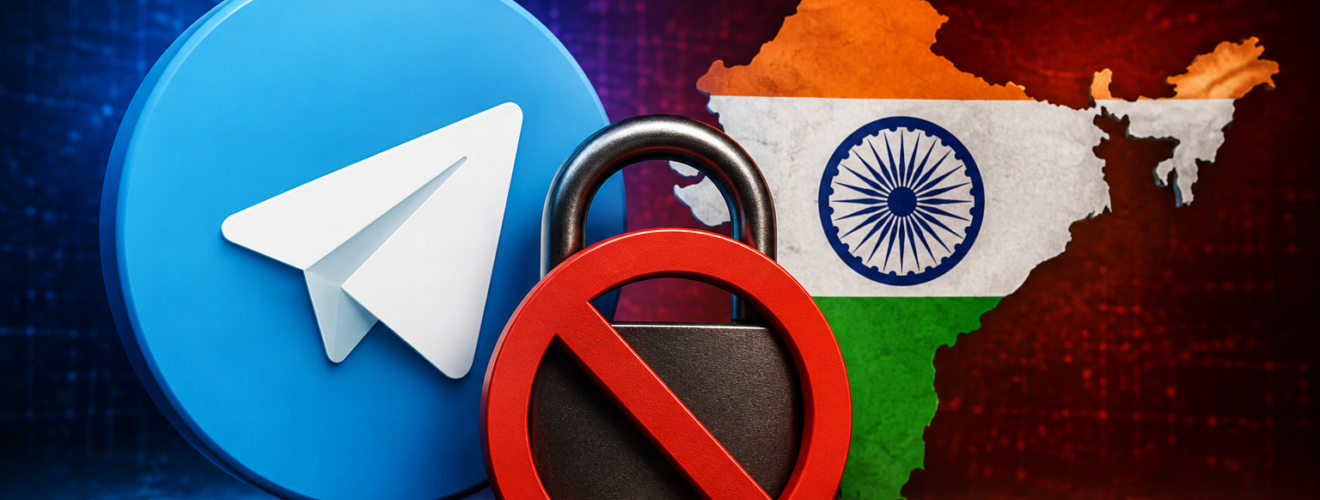
The Indian government has decided to block Telegram for a short period across the country. This sudden move has affected millions of users and has created a lot of discussion online. Many people woke up and found that the messaging app was not work properly on their phones. The restriction has now become one of the biggest technology stories in India this week.
The government said the action became necessary because Telegram allegedly played a role in serious exam fraud connected to the NEET-UG 2026 examination. Officials believe several groups used the platform to spread fake papers and false information before the exam. Because of this, authorities decided to step in quickly.
Telegram Faces Temporary Ban In India
According to reports, India has blocked Telegram services until June 22, 2026. The order came after authorities raised concerns about the misuse of the app during the NEET examination controversy.
Telegram has a massive user base in India. Reports suggest more than 150 million people in the country actively use the platform. Because of such huge popularity, the temporary ban has had a direct impact on students, business owners, content creators, and regular users who depend on the app for daily communication.
Several internet users reported connection issues soon after the restriction started. For many people, messages stopped loading, channels disappeared, and media files became inaccessible.
Why The Government Took This Decision
The biggest reason behind the temporary ban is the NEET-UG 2026 exam leak controversy. Authorities suspect that organized cheating networks used Telegram channels to share leaked exam papers and scam students.
Investigators believe certain groups sold fake question papers to desperate students before the examination. These groups reportedly promised early access to exam content in exchange for large amounts of money.
The government also noticed another problem. Officials said some users abused Telegram’s message editing feature. Certain groups allegedly edited old messages after the exam and then used those altered chats as false proof of a paper leak.
This created confusion and panic among students and parents. Because of these serious concerns, the government decided to stop access to Telegram while authorities investigate the matter further.
The Law Behind The Telegram Restriction
The Indian government issued the order under Section 69A of the Information Technology Act. This law gives authorities power to block online platforms when there are concerns related to public order, security, or illegal activity.
Officials believe temporary action became necessary to stop further misuse before the NEET re-examination scheduled for June 21, 2026.
Some reports also suggest authorities may continue restrictions on Telegram’s message editing feature until June 30. However, the full details of this order have not yet become public.
For now, the complete platform remains under temporary restriction for users across India.
Millions Of Users Suddenly Lose Access
Telegram is one of the most popular messaging apps in India. Many students use it for study groups and educational channels. Small businesses rely on Telegram communities to connect with customers. Content creators use channels to share updates with followers.
Because of the sudden restriction, millions of people now face communication problems.
Several users said the application stopped work without warning. Some people found the app opened normally, but messages failed to send. Others said channels became inaccessible.
The disruption has affected different internet providers in different ways. Some mobile networks blocked access immediately, while certain users reported partial service availability.
The temporary nature of the restriction has left many people uncertain about what happens next.
Telegram Founder Reacts Strongly
Telegram founder Pavel Durov has strongly criticized India’s decision. He said the ban punishes millions of innocent users who have nothing to do with exam fraud.
Durov stated that more than 150 million Indian users now face unnecessary inconvenience because of the government’s action. According to him, blocking one app does not stop illegal activity because bad actors can simply move to another platform.
His statement quickly spread online and started debate among users worldwide.
Many technology experts have also questioned whether a nationwide ban was the best solution to deal with exam fraud linked to a limited number of users.
Impact On Students And Businesses
The timing of this restriction has made the situation more serious. India has millions of students who use Telegram for exam preparation, educational material, and discussion groups.
Because the NEET controversy directly involves students, many legitimate users now face problems despite having no connection with the alleged fraud.
Small businesses have also suffered disruption. Many companies use Telegram groups to communicate with customers and teams.
Freelancers, educators, and online communities now have to shift conversations to alternative platforms for the next few days.
The ban has shown how dependent many people have become on digital communication apps for work and education.
This Is Not A Global Telegram Ban
One important fact people should understand is that Telegram has not faced a global ban.
The restriction currently applies only to India and remains temporary. Authorities have announced that the ban will stay in place until June 22, while the investigation continues.
This means users in other countries can continue to use Telegram normally without any disruption.
The decision only targets India because the issue directly connects to the NEET exam controversy that took place inside the country.
What Happens Next
Right now, millions of Indian users can only wait for the government’s next announcement.
If the investigation finds no further threat, Telegram services may return after June 22. However, if authorities discover larger misuse networks, restrictions could continue longer.
This incident has once again raised important questions about online platform responsibility and how governments handle misuse of digital communication tools.
For now, Telegram users across India remain stuck in uncertainty as one of the country’s biggest messaging apps faces temporary shutdown over one of the biggest exam controversies of the year.
Also Read – HDFC SKY Review 2026: Features, Charges and Latest Updates