
Ibrahim Traoré Leadership Lessons for Today’s World
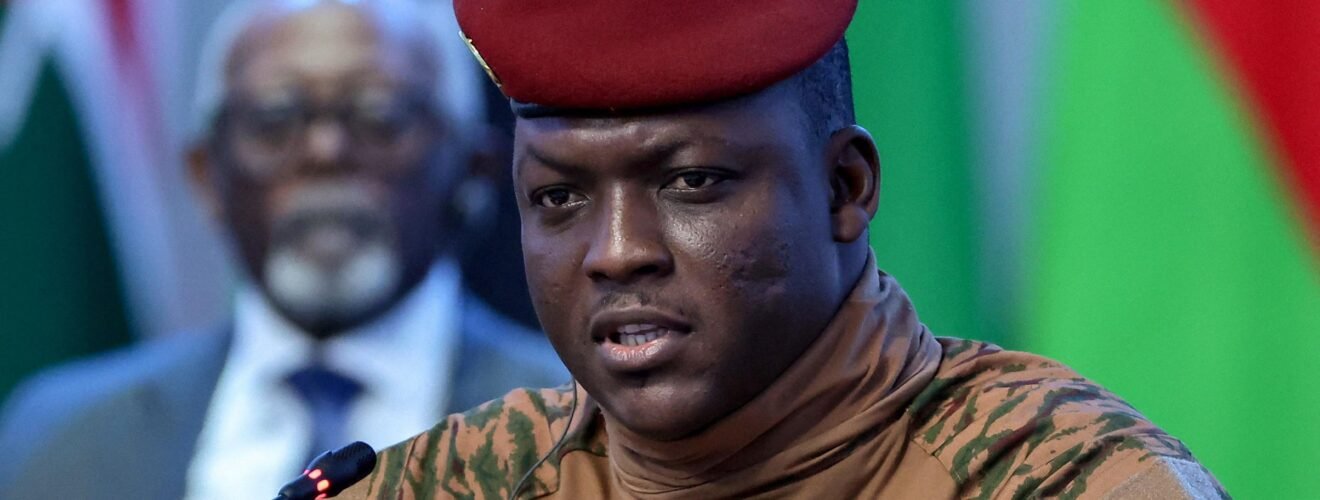
Ibrahim Traoré has reshaped the political narrative of Burkina Faso and stirred global debate about leadership, sovereignty, and governance. As one of the youngest heads of state in the world, he seized power in 2022 and quickly positioned himself as a symbol of resistance against foreign influence and economic dependency. His leadership style combines bold economic reforms, strong nationalist rhetoric, and rapid decision-making. At the same time, critics question his approach to democracy and civil liberties.
World leaders can learn powerful lessons from Traoré’s rise and governance. His policies highlight both opportunity and risk in modern leadership.
Radical Economic Sovereignty
Traoré has made economic sovereignty the foundation of his governance. Burkina Faso ranks among Africa’s top gold producers, and his administration has moved to reclaim control over this vital sector. The government has nationalized certain foreign-owned mining assets and created a state-owned mining company to increase domestic control.
He has also pushed for local gold refining instead of exporting raw materials. This strategy allows the country to capture more value within its own borders.
Recent data reinforces this direction. The government launched a 2026–2030 development framework that relies heavily on domestic financing. About two-thirds of the funding will come from internal resources. In addition, authorities have outlined a long-term economic transformation plan valued at roughly $64 billion.
Lesson: Countries must control their resources and build value chains locally. Exporting raw materials limits growth, while domestic processing strengthens long-term economic independence.
Self-Reliance Over Foreign Dependence
Traoré has reduced reliance on traditional foreign partners, especially Western powers. He has emphasized national capability and local participation in development.
The Faso Mêbo initiative demonstrates this vision. Citizens actively contribute to infrastructure projects using local materials and labor. This approach builds both physical infrastructure and national pride.
The government has also introduced a computer recycling program to expand digital access and reduce reliance on imported technology. At the same time, authorities have launched major infrastructure projects such as a 332-kilometer expressway connecting key economic regions.
Lesson: Leaders can strengthen their nations by investing in local capacity, encouraging citizen participation, and reducing dependence on imports.
Strategic Industrial Policy
In March 2026, Burkina Faso halted tomato exports to protect its domestic processing industry. This decision ensured that local factories had enough raw materials to operate efficiently.
Many countries talk about supporting domestic industries, but few enforce such direct measures. Traoré’s government has shown a willingness to act quickly and decisively.
Lesson: Strategic protectionism can help emerging industries grow. Governments must sometimes prioritize domestic production before opening markets fully.
Youthful Leadership and National Identity
Traoré represents a new generation of leadership. His age and energy have helped him connect with young citizens, not only in Burkina Faso but across Africa.
He uses strong messaging focused on dignity, independence, and resistance to external control. This narrative resonates deeply with populations that feel marginalized by global systems.
Lesson: Leadership requires emotional connection as much as policy. Clear messaging, cultural pride, and a compelling national vision can mobilize entire populations.
Regional Cooperation and New Alliances
Traoré has strengthened ties with Mali and Niger through the Alliance of Sahel States. This regional bloc focuses on shared security challenges and economic cooperation.
Instead of relying on distant global powers, these countries have chosen to support each other directly. This shift reflects a broader trend toward regional self-reliance.
Lesson: Regional alliances can provide stability and strength. Neighboring countries often share similar challenges and can collaborate more effectively than distant partners.
Speed and Decisiveness
Traoré’s leadership style emphasizes rapid action. His government has implemented major policies without long delays. Authorities have launched infrastructure projects quickly and introduced economic reforms without extended debate.
This decisiveness has allowed the government to respond swiftly to national challenges. However, it has also raised concerns about concentration of power.
Lesson: Decisive leadership can drive change, but leaders must balance speed with transparency and accountability.
Security-First Governance
Burkina Faso faces a serious insurgency threat. Traoré has placed national security at the center of his agenda. He has expanded military operations and mobilized volunteer forces to combat armed groups.
Security challenges have shaped nearly every aspect of governance. Without stability, economic development and social progress remain difficult.
Lesson: Security forms the foundation of national progress. Governments must ensure stability before they can achieve long-term development goals.
Long-Term Vision and Planning
Despite ongoing security challenges, Traoré’s administration has outlined a clear long-term vision. The 2026–2030 plan aims to reduce poverty from 42 percent to 35 percent. It also targets an increase in life expectancy from 61 to 68 years.
These goals show a commitment to measurable progress. The government has combined short-term action with long-term planning.
Lesson: Leaders must think beyond immediate crises. Clear targets and structured plans help guide national development.
The Risks of Centralized Power
Traoré’s leadership also raises serious concerns. His government has dissolved or weakened political institutions and limited opposition activity. Critics argue that these actions reduce democratic space and restrict dissent.
Some policies have sparked international criticism, including laws that affect civil liberties. These developments highlight the tension between strong leadership and democratic governance.
Lesson: Strong leadership must not undermine institutions. Sustainable progress requires accountability, inclusivity, and respect for rights.
A Leader of Contradictions
Ibrahim Traoré represents both inspiration and caution. He has challenged traditional power structures, promoted economic independence, and energized a new generation. At the same time, his approach has raised valid concerns about governance and freedom.
World leaders should not copy his model blindly. Instead, they should extract key insights while avoiding the risks.
Conclusion
Ibrahim Traoré has forced the world to rethink leadership in the 21st century. His actions highlight the growing demand for sovereignty, self-reliance, and bold decision-making.
Leaders across the globe can learn from his focus on resource control, national pride, and decisive governance. However, they must also protect democratic values and institutional strength.
His leadership leaves the world with a critical question:
Can nations achieve true independence while preserving freedom and accountability?
The answer will shape the future of global leadership.
Also Read – Why India’s Education System Feels Empty Inside