West Bengal Midday Meal Change: A Review of New System
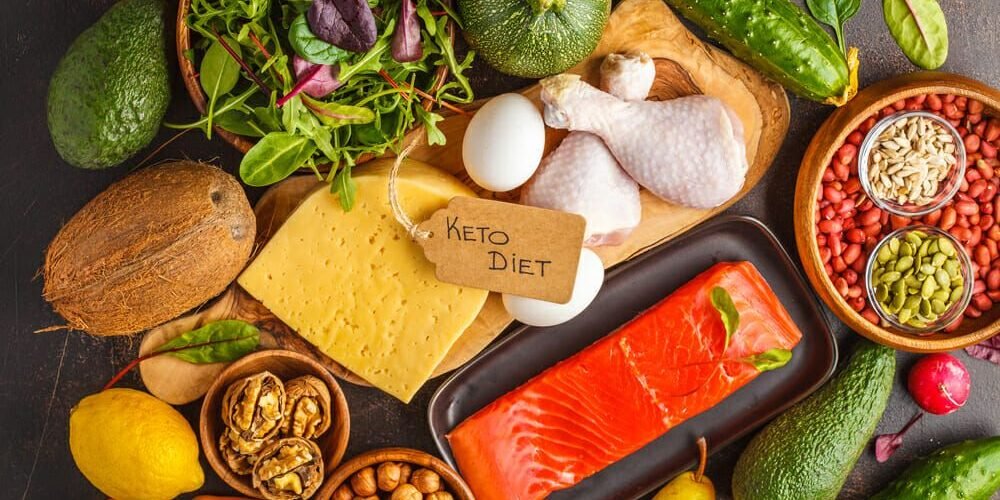
The midday meal program has always played an important role in India’s school education system. For millions of children, this meal is not just food served during school hours. It is an important source of daily nutrition. In states where many families struggle with income, school meals help children receive the nutrients needed for proper physical and mental growth. This system also encourages regular school attendance and helps reduce dropout rates.
Recently, the West Bengal government introduced a major change in its midday meal program. The decision has created serious discussion among parents, nutrition experts, teachers, and political leaders. The biggest reason behind this debate is the removal of eggs from meals served in many schools and the decision to replace them with vegetarian food options. While the government says the new system will provide better nutrition, many experts believe this change raises important questions.
What Has Changed in West Bengal’s Midday Meal Program
The biggest change happened in government and government-aided schools under the Kolkata Municipal Corporation area. Earlier, school children received one egg every week as part of their midday meal. This meal usually included rice, dal, vegetables, and eggs on selected days.
Under the new system, eggs no longer remain part of the menu in nearly 1,800 schools in Kolkata. Instead, children now receive vegetarian protein alternatives such as paneer, soybean products, rajma, and different pulses.
This change came after the West Bengal government partnered with ISKCON for meal preparation and distribution. Since ISKCON follows a strict vegetarian policy, meals prepared under its system do not include eggs or any non-vegetarian food.
The government believes centralized cooking will improve food quality, hygiene standards, and smooth delivery of meals to schools.
Increase in Budget for Meals
Along with the new meal system, the government also increased the amount spent on each student.
Earlier, the cost allocation for primary school children stood at ₹6.78 per student. Under the revised system, this amount increased to ₹10 per student.
The state government says this higher budget will help improve meal quality and allow schools to provide more nutritious food to children. Supporters of the change argue that better funding can help maintain consistency and improve meal preparation standards.
However, many people say that spending more money does not automatically mean better nutrition if the food itself fails to provide the same benefits children received earlier.
Why Eggs Matter in School Nutrition
For years, eggs remained one of the most important parts of school meals in many Indian states. The reason is simple. Eggs provide high-quality nutrition at a low cost.
One egg contains complete protein. This means it has all essential amino acids needed for growth and body development. Eggs also provide Vitamin B12, Vitamin D, healthy fats, and choline, which helps brain development.
Children from poor families often do not receive enough protein at home. For many students, the school meal becomes their most reliable source of proper nutrition. Because of this, even one egg every week makes a meaningful difference.
Nutrition experts often consider eggs one of the cheapest and most effective protein sources for growing children.
The Government’s Protein Argument
The West Bengal government defended the decision by comparing protein levels between eggs and soy products.
Officials said two eggs contain around 12 grams of protein. At the same time, they pointed out that 100 grams of soybean contains nearly 56 grams of protein. Based on this comparison, the government argued that soy products can provide better nutrition than eggs.
At first look, this argument sounds reasonable. The numbers appear to suggest soy offers much higher protein levels.
But the comparison leaves out one very important fact.
The 56 grams of protein exists in 100 grams of dry soybean. Dry soybean and cooked soybean are very different in actual consumption. Once soy cooks, it absorbs water, changes texture, and becomes heavier.
More importantly, children cannot eat 100 grams of dry soybeans in one sitting. Even adults may struggle to consume that quantity comfortably. Young school children certainly cannot finish such a large amount during a short lunch break.
This means the actual protein intake from soy may become far lower than the numbers presented by officials.
In simple terms, the comparison looks strong on paper but becomes much weaker in real life.
Nutrition Experts Raise Questions
After the policy change, several nutrition experts expressed concern.
The main issue is not whether soy contains protein. Soy definitely has protein. The real concern is bioavailability and actual consumption.
Egg protein is easy for the human body to absorb. It digests easily and gives children quick nutritional value. Soy protein works differently and often requires proper quantity and balanced preparation.
Experts say nutrition should never depend only on numbers printed in charts. The real question should always focus on how much food a child can actually eat and how much nutrition the body can properly absorb.
This is where many experts believe the government’s comparison between eggs and soy becomes misleading.
Public Debate and Criticism
The decision has triggered widespread criticism across West Bengal.
Many parents feel children lose an important source of nutrition. Teachers and school staff also worry about whether the new meal plan will satisfy children in the same way.
Political opposition leaders accused the government of compromising child nutrition by allowing religious food preferences to influence public welfare programs.
The debate became stronger because eggs have remained a trusted and accepted food item in school meal programs across several Indian states for many years.
Many people believe public nutrition programs should focus only on health benefits rather than institutional food preferences.
Government May Review the Decision
After criticism increased, reports suggest the West Bengal government may reconsider parts of the policy.
One option under discussion follows a system already used in Odisha.
Under this model, ISKCON can continue preparing vegetarian meals through centralized kitchens. At the same time, schools may receive separate funding to independently purchase and distribute eggs to children.
This approach could allow both systems to work together without removing eggs completely.
If adopted, this solution may reduce public criticism and help preserve nutritional balance in school meals.
Final Review of the New Midday Meal System
The new West Bengal midday meal system clearly aims to improve meal management through centralized cooking and better budget allocation. Better hygiene standards and organized food distribution are positive developments.
But the biggest concern remains nutrition quality.
Removing eggs from school meals has created an important gap. Eggs are affordable, easy to digest, simple to serve, and highly nutritious for growing children.
The government’s claim that soy contains more protein than eggs may sound scientifically correct, but the comparison ignores practical reality. Protein values measured in dry soy do not reflect how much children can actually consume during a normal school meal.
A child cannot eat enough soy in one sitting to match the nutritional value that eggs provide in a much simpler form.
School meal programs exist to improve child health, not to win technical debates over numbers.
If the goal is better nutrition for children, policy decisions must focus on real consumption, easy digestion, and actual health benefits.
The West Bengal government now faces an important decision. It must decide whether the new system truly serves children better or whether restoring eggs alongside the new meal plan offers the healthier path forward.
Also Read – 10 Beauty Hacks Celebrities Don’t Want You to Know