
STEM Education Programs and Their Role in Career Success
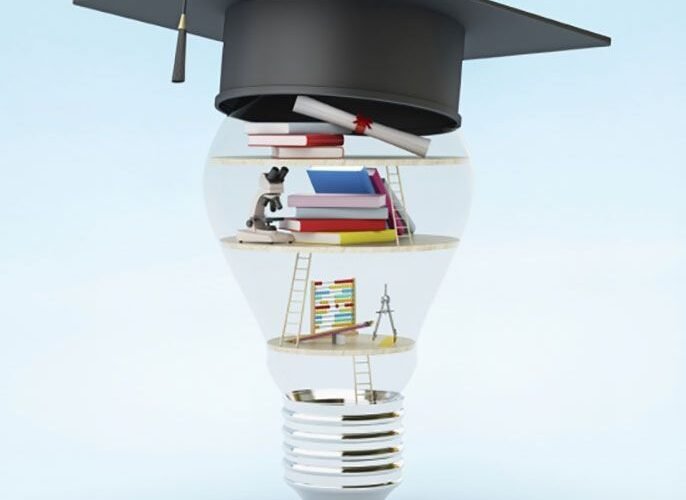
Education plays a major role in the future of every student. In recent years, STEM education has become one of the most important parts of modern learning. STEM stands for Science, Technology, Engineering, and Mathematics. These four subjects help students build knowledge and prepare for future jobs. Many schools and colleges now focus more on STEM programs because the world depends more on technology than ever before.
The main goal of STEM education is not only to teach theory but also to help students develop practical skills. These skills prepare students for work in different industries. A review of STEM education programs shows that these programs help improve career readiness and open many job opportunities for young people.
What Is STEM Education?
STEM education is a teaching method that combines science, technology, engineering, and mathematics into one learning system. Instead of teaching each subject separately, schools connect these subjects through practical activities and real-world problems.
For example, students may use mathematics to solve an engineering problem or apply science knowledge to build a machine. This method helps students understand how subjects work together in daily life. It also helps students think deeply and solve problems with logic.
Many education systems now consider STEM education necessary because future jobs require technical knowledge. As industries continue to change, workers need stronger skills in these areas.
Growth of STEM Education Programs
Over the last decade, STEM education programs have grown quickly across the world. Governments, schools, and universities now invest more money in STEM learning because demand for technical workers continues to rise.
Countries such as the United States, Canada, Germany, Japan, and South Korea have made STEM education an important part of their academic system. Reports show that many schools now offer robotics classes, coding lessons, engineering workshops, and science laboratories.
This growth comes mainly because modern industries depend heavily on science and technology. Businesses need workers who understand digital systems, software, machines, and data. Because of this demand, educational institutions now give more attention to STEM subjects than before.
How STEM Programs Build Important Skills
One of the strongest benefits of STEM education is skill development. Traditional education often focuses on memorization. STEM programs focus more on practical understanding and problem solving.
Students learn how to think critically when they face difficult situations. They learn how to examine problems carefully and search for logical answers. This process helps build confidence and independent thinking.
STEM programs also teach teamwork. Many classroom activities require students to work together on projects. This teaches communication and cooperation, which are very important in professional life.
Another important skill is creativity. Students often design models, build structures, or solve technical challenges. This allows them to use imagination while working with facts and logic.
Connection Between STEM Education and Career Readiness
Career readiness means that students have the knowledge and skills needed for employment after education. STEM education prepares students well because many industries now require technical ability.
A review of education studies shows that students who complete STEM programs often feel more prepared for future careers. They understand workplace challenges better because many STEM lessons focus on real-life situations.
Students also become familiar with technology tools at an early stage. This creates an advantage because most modern jobs require digital knowledge. Employers usually prefer candidates who can adapt to technology and solve complex problems.
As a result, STEM education helps students move more smoothly from school into professional life.
Job Opportunities Created Through STEM Education
The job market has changed greatly over the last few years. Many fast-growing industries now require STEM knowledge. Careers in software development, data science, engineering, healthcare technology, artificial intelligence, cybersecurity, and renewable energy all depend on STEM skills.
Reports from labor market studies show that STEM-related careers often offer higher salaries compared to many other job sectors. These careers also show strong long-term demand because technology continues to expand.
Students with STEM backgrounds often have more career options because their skills apply across different industries. A student who studies engineering, for example, may work in construction, manufacturing, robotics, automotive industries, or aerospace.
This wide career choice makes STEM education very valuable for future success.
Challenges in STEM Education Programs
Although STEM education offers many benefits, some challenges still exist. Many schools do not have enough resources to provide proper STEM learning. Science laboratories, computer systems, and technical equipment often require large investment.
Teacher training is another major challenge. Some schools lack teachers with enough experience in advanced science or technology subjects. Without proper teacher support, students may struggle with difficult topics.
Access to STEM education also remains unequal in many areas. Students from low-income families sometimes do not receive the same opportunities as students in well-funded schools.
Because of these problems, some education systems still face difficulty in making STEM programs available to all students.
The Future of STEM Education
Experts believe STEM education will become even more important in the future. New technologies continue to change the way people work. Artificial intelligence, machine learning, automation, and advanced robotics already affect many industries.
Future workers will need strong technical skills to adapt to these changes. Schools and universities will likely increase investment in STEM programs to prepare students for new career demands.
Many experts also support early STEM education. When children learn science and mathematics at a young age, they often build stronger interest in technical careers later in life.
As global industries continue to develop, STEM education will remain a key part of modern learning.
Conclusion
A review of STEM education programs clearly shows their strong impact on career readiness. These programs help students build technical knowledge, improve problem-solving ability, and prepare for modern workplaces.
STEM education gives students practical skills that employers value. It creates better career opportunities and helps young people adapt to a world shaped by technology. Although challenges such as limited resources and unequal access still exist, the overall value of STEM education remains very high.
As the job market becomes more technology-focused, STEM education will continue to play an important role in student success and long-term career growth.
Also Read – Top 10 Affordable Universities