
Review of Cultural Food Etiquette Around the World
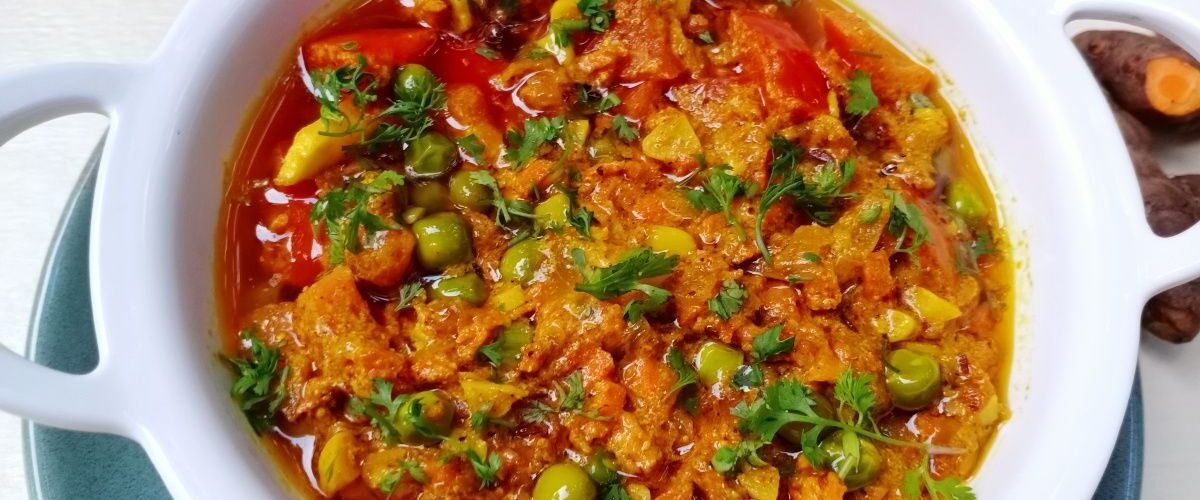
Food is universal, but the rules surrounding how people eat are deeply cultural. From how food is served and shared to the way hands, utensils, silence, or conversation are used at the table, food etiquette reflects history, values, religion, and social hierarchy. In a globalized world where travel, migration, and international business are common, understanding cultural food etiquette is no longer optional—it is essential for respect, inclusion, and meaningful connection.
In 2025, despite fast food, delivery apps, and global restaurant chains, traditional dining customs remain powerful markers of identity. This article reviews cultural food etiquette around the world, examining regional norms, their origins, modern adaptations, and why these unwritten rules still matter today.
Why Food Etiquette Matters
Food etiquette serves multiple purposes:
- Establishes respect and social order
- Communicates hospitality and gratitude
- Reinforces cultural and religious values
- Defines group belonging
Anthropological studies show that shared meals strengthen trust and cooperation. Etiquette ensures that eating together remains a harmonious social experience rather than a purely biological act.
Global Shifts in Food Etiquette (2025 Context)
Recent cultural research highlights:
- Younger generations blending traditional etiquette with modern habits
- Increased awareness of cross-cultural dining norms due to travel and remote work
- Greater sensitivity to dietary restrictions and allergies
- Revival of traditional practices as symbols of cultural pride
While globalization has standardized what people eat, etiquette still governs how they eat.
East Asia: Precision, Respect, and Harmony
China
Food etiquette in China emphasizes collectivism and respect.
Key practices:
- Shared dishes placed at the center
- Elders served first
- Chopsticks never stuck vertically into rice (associated with funerals)
- Tapping fingers to thank someone for tea
Leaving a small amount of food can signal satisfaction, while emptying plates may suggest hunger.
Japan
Japanese food etiquette centers on discipline, aesthetics, and gratitude.
Common rules:
- Saying phrases expressing thanks before and after meals
- Slurping noodles is acceptable and shows enjoyment
- No passing food directly from chopsticks to chopsticks
- Silence during eating is respected
Presentation matters as much as taste, reflecting the cultural value of balance and mindfulness.
South Korea
Dining etiquette reflects hierarchy and respect.
Important norms:
- Elders begin eating first
- Pouring drinks for others, not oneself
- Turning away slightly when drinking alcohol in front of seniors
Meals often emphasize shared side dishes, reinforcing group identity.
South Asia: Tradition, Religion, and the Right Hand
India
Indian food etiquette varies by region but shares common principles.
Key practices:
- Eating with the right hand
- Washing hands before and after meals
- Sharing food as a sign of hospitality
Food carries religious meaning, and refusing offered food can be considered impolite. Silence during eating is common in traditional settings.
Sri Lanka and Nepal
Similar hand-eating customs apply, with strong emphasis on respect for elders and gratitude toward the host.
Middle East: Hospitality and Honor
Middle Eastern food etiquette revolves around generosity and communal eating.
Common customs:
- Large shared platters
- Guests encouraged to eat more
- Refusing food multiple times before accepting (polite resistance)
Bread often replaces utensils, and eating together symbolizes trust and peace.
Turkey
Hospitality is central:
- Hosts insist on second servings
- Tea offered frequently as a gesture of friendship
- Leaving immediately after eating may be considered rude
Africa: Community and Ancestral Respect
African food etiquette varies widely but shares communal values.
West and East Africa
Key features:
- Eating from shared bowls
- Elders served first
- Silence or minimal conversation during meals in traditional settings
Food often connects to ancestry, ceremonies, and seasonal rhythms.
Ethiopia
Unique customs include:
- Eating from a shared platter
- Using injera bread instead of utensils
- Feeding others directly by hand as a sign of affection
This practice symbolizes trust and intimacy.
Europe: Structure, Politeness, and Time
France
French dining etiquette emphasizes structure and ritual.
Key norms:
- Hands visible on the table
- Bread placed directly on the table, not on plates
- Meals as social events, not rushed activities
Conversation is valued as much as food.
Italy
Italian etiquette centers on respect for food.
Rules include:
- No cheese on seafood dishes
- Cappuccino consumed only in the morning
- Minimal modifications to traditional recipes
Breaking these rules may be seen as disrespecting culinary heritage.
United Kingdom
British etiquette values restraint and politeness.
Common expectations:
- Quiet eating
- Proper utensil use
- Waiting for everyone before starting
Table manners reflect broader cultural emphasis on order and courtesy.
North America: Informality with Boundaries
United States and Canada
Dining etiquette tends to be flexible but still rule-based.
Common norms:
- Personal plates and portions
- Tipping as part of dining culture
- Casual conversation encouraged
Dietary preferences and restrictions are widely accommodated, reflecting individualism.
Latin America: Warmth and Social Connection
Mexico
Food etiquette emphasizes togetherness.
Key customs:
- Waiting for everyone to be served
- Complimenting the cook
- Long, conversational meals
Leaving too quickly may be seen as impolite.
Brazil and Argentina
Meals are social experiences:
- Shared grilled meats
- Slow-paced dining
- Strong emphasis on hospitality
Food is central to relationship-building.
Southeast Asia: Balance and Respect
Thailand
Dining etiquette reflects balance and harmony.
Key rules:
- Shared dishes with individual rice portions
- Fork used to push food onto spoon
- Avoiding waste
Meals are collaborative rather than individualistic.
Indonesia and Malaysia
Hand-eating remains common:
- Right hand only
- Washing hands before meals
- Sharing as a sign of unity
Religious Influences on Food Etiquette
Islam
- Halal dietary rules
- Eating with the right hand
- Saying prayers before and after meals
Judaism
- Kosher laws govern food preparation and combinations
- Blessings accompany eating
- Meals reinforce religious identity
Hinduism and Buddhism
- Vegetarian traditions
- Mindful eating
- Gratitude toward food and life
Religion deeply shapes dining behavior beyond ingredients alone.
Business Dining Etiquette Across Cultures
In 2025, business meals remain culturally sensitive environments.
Key observations:
- East Asia values patience and observation
- Western cultures emphasize conversation and rapport
- Middle Eastern settings prioritize hospitality over negotiation
Misunderstanding food etiquette can negatively affect professional relationships.
Modern Changes and Adaptations
Globalization has softened rigid rules:
- Younger generations adopt hybrid etiquette
- Casual dining increases globally
- Social media influences presentation and sharing
However, core values remain intact, especially during formal or ceremonial meals.
Food Etiquette and Identity
Food etiquette reinforces:
- Cultural memory
- Social roles
- Intergenerational continuity
For diaspora communities, traditional dining practices often strengthen identity abroad.
Common Cross-Cultural Dining Mistakes
Frequent misunderstandings include:
- Using the wrong hand
- Refusing food too directly
- Misusing utensils
- Ignoring seating hierarchy
Cultural awareness prevents offense and builds trust.
Why Etiquette Survives in a Fast World
Despite fast food and digital lifestyles, etiquette persists because it:
- Slows interactions
- Encourages mindfulness
- Builds social bonds
Eating remains one of the last deeply communal human activities.
Learning Cultural Food Etiquette
Best practices include:
- Observing before acting
- Asking politely when unsure
- Showing appreciation
- Respecting elders and hosts
Intent and humility matter as much as accuracy.
The Future of Food Etiquette
Looking ahead:
- Hybrid etiquette will grow
- Sustainability and food respect will shape new norms
- Cultural pride will preserve traditional practices
Technology may change food delivery, but how people eat together will remain human.
Final Thoughts
Cultural food etiquette is a living language—spoken not with words, but with gestures, silence, sharing, and respect. Every culture encodes its values at the table: hierarchy, generosity, mindfulness, equality, or hospitality.
In a world that feels increasingly divided, understanding how others eat is a powerful way to connect. Food etiquette reminds us that meals are never just about nourishment. They are about belonging, gratitude, and the shared human experience.
To learn a culture, sit at its table.
To respect a culture, learn how it eats.
ALSO READ: Kacchi Haldi ki Sabzi: Reviewing the Hidden Gem Recipe of Rajasthan