
South Indian Thali Review: Veg vs Non-Veg
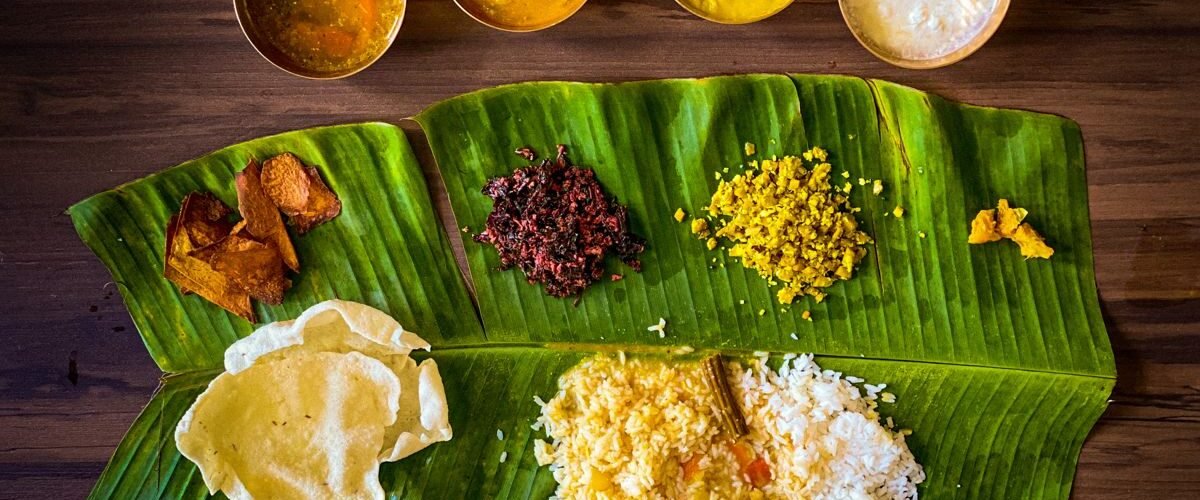
When I sat down for a South Indian thali last weekend, I felt both excitement and curiosity. I had one simple mission: compare the vegetarian thali and the non-vegetarian thali head-to-head. South India treats food with the same respect as a cultural ritual, and a thali captures that spirit perfectly. The stainless-steel plate arrives, filled with small bowls, rice piled at the center, and aromas that make your senses dance before the first bite.
I decided to try both versions back-to-back. First, the vegetarian spread, then the non-vegetarian platter. What followed was a feast not just for my stomach but also for my understanding of how food can reflect tradition, community, and even personal identity.
The Vegetarian Thali: A Symphony of Flavors
The vegetarian thali greeted me like a carnival of colors. Bright yellow sambar, pale white curd, green chutneys, and crimson pickles surrounded the mountain of fluffy rice. The server placed a crispy papadam on top, almost like a crown, and then poured ghee over the rice with a flourish.
I began with the sambar. The tamarind tang, mixed with soft drumsticks and red chilies, set the stage for the meal. I spooned rasam next — thin, peppery, and soul-warming. It cleared my sinuses instantly and reminded me why rasam feels like medicine disguised as comfort food.
Vegetable curries followed. A poriyal made with beans and coconut felt light and fresh. A kootu, thick with lentils and spiced vegetables, offered heartiness. The curd rice cooled my palate when the spices got too bold, and the pickle gave the occasional punch of salt and heat.
Every item complemented the other. The flavors never clashed, and I could sense a rhythm — spicy, tangy, cooling, crunchy, smooth. By the time I scooped the payasam for dessert, my taste buds had danced through an orchestra of vegetarian delicacies.
What Stood Out in the Veg Thali
- Balance: The meal carried equal measures of spice, sourness, and sweetness.
- Healthiness: Each bowl felt nourishing, and nothing weighed me down.
- Sustainability: The ingredients came from local farms, and most households in South India could replicate them without fuss.
The vegetarian thali told a story of simplicity, wholesomeness, and discipline. It left me satisfied without feeling heavy.
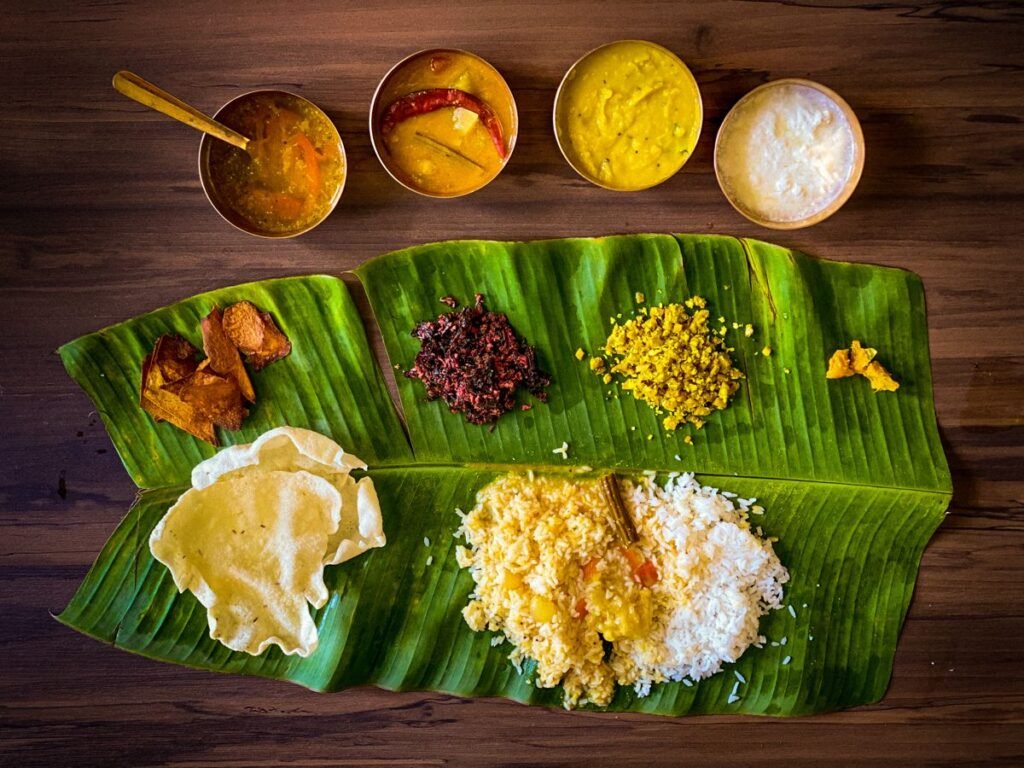
The Non-Vegetarian Thali: A Bold, Meaty Feast
After finishing the vegetarian plate, I moved on to the non-vegetarian thali. Here, the mood shifted entirely. Where the vegetarian thali whispered comfort, the non-vegetarian thali shouted indulgence.
The rice still sat at the center, but now chicken curry, mutton gravy, and fish fry surrounded it. The colors looked deeper and darker — fiery reds, earthy browns, and golden fried textures. A prawn masala bowl grabbed my attention instantly with its spicy aroma.
I dug into the chicken curry first. The meat fell off the bone, soaked in a rich, coconut-based gravy that clung to the rice. The spice level shot up immediately, and I gulped water before moving on to the mutton. That gravy carried a smoky depth, slow-cooked until every bite felt like a celebration.
The fish fry became the highlight. Crisp on the outside, juicy inside, and seasoned with curry leaves and pepper, it gave me the kind of satisfaction only seafood can deliver. The prawn masala added another layer, with a tangy punch that reminded me of the coastal kitchens of Kerala.
A bowl of rasam and curd rice still appeared on the side, but they felt like palate cleansers between the bold gravies. The papadam stayed faithful here too, offering crunch between bites of meat. For dessert, the same payasam arrived, but after all that spice and protein, it tasted even more heavenly.
What Stood Out in the Non-Veg Thali
- Richness: Every gravy carried bold spices and thick textures.
- Variety: Chicken, mutton, fish, and prawns all appeared, offering layers of taste.
- Celebration: This thali felt festive, like something you’d enjoy during a wedding or special occasion.
Unlike the vegetarian thali, the non-vegetarian platter demanded attention and respect. It didn’t just feed me — it challenged me with its heat, richness, and indulgence.
Comparing Veg vs Non-Veg
Eating the two thalis back-to-back gave me clarity about their differences.
- Flavors: The vegetarian thali played like a calm classical tune, while the non-vegetarian thali roared like a drum circle. One soothed, the other excited.
- Portion & Heaviness: The vegetarian plate left me light, while the non-veg one slowed me down with its rich gravies and meats.
- Occasion: I could eat the vegetarian thali daily without complaint. The non-veg version felt like a treat I’d reserve for weekends or festivals.
- Nutritional Balance: The vegetarian thali leaned on lentils, vegetables, and curd, making it easier on digestion. The non-veg one delivered protein power but pushed my spice tolerance.
Both carry equal pride in South Indian culture, and neither felt less authentic than the other. They simply reflect different moods: one of discipline and calm, the other of celebration and extravagance.
The Experience Beyond Taste
As I sat there, licking the last bit of payasam from the spoon, I realized a thali offers more than food. It’s an experience. The way servers refill bowls without you asking, the rhythm of rice mixing with different gravies, and the cultural pride wrapped in each dish — all of it makes the thali more than a meal.
In the vegetarian version, I felt like I joined a family lunch in a temple town. In the non-vegetarian version, I felt like I attended a coastal wedding feast. Both experiences hold value, both left me richer in memory, and both reminded me why South Indian food deserves global recognition.
Final Verdict
If you want comfort, daily balance, and health, choose the vegetarian thali. If you want spice, indulgence, and a festive mood, dive into the non-vegetarian thali.
I cannot declare a single winner because food doesn’t always need one. A South Indian thali thrives on inclusivity — everyone gets something, and every dish holds its place. So my verdict remains simple: try both, experience both, and let your mood decide which one wins on that particular day.
I walked out of the restaurant with a full stomach, a happy heart, and a deeper respect for South Indian culinary traditions. That day, food didn’t just fill me — it told me two different stories, one vegetarian, one non-vegetarian, and both equally delicious.
Also Read – Hero Xoom 160 Review – Hero’s Bold Step into the Maxi-Scooter World