Car Maintenance Checklist for Winter 2027
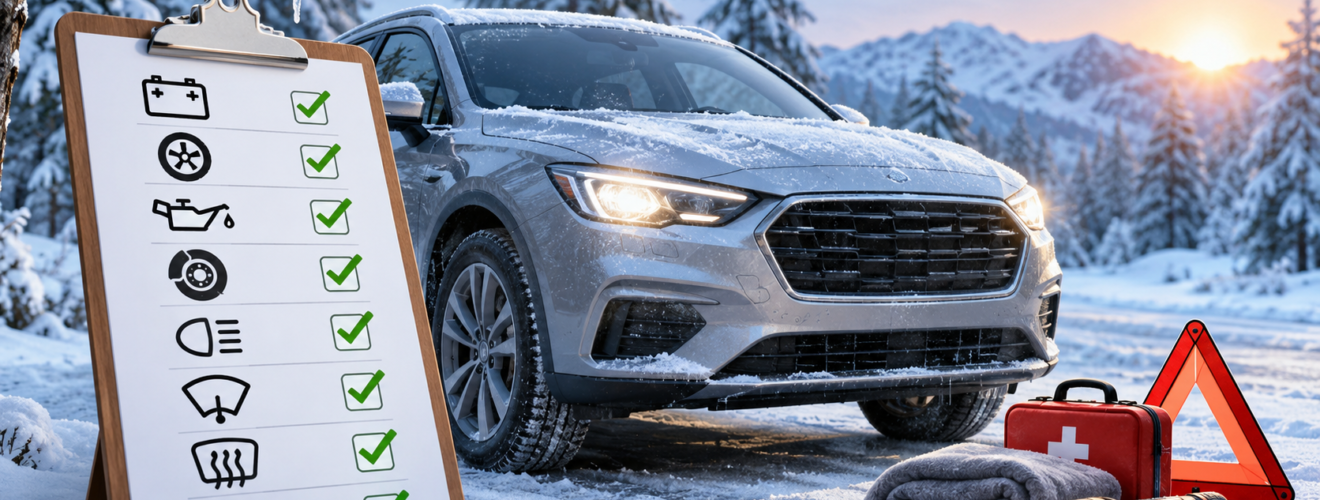
Winter can put extra stress on your car. Cold air can affect the battery, tires, engine oil, and other key parts. Snow, ice, rain, and wet roads can also make travel harder and less safe. A car that works well in warm weather may face problems when the temperature drops.
Before Winter 2027 arrives, take some time to check your car. A simple service before the cold season can help prevent sudden faults on the road. It can also help your car run better and give you more confidence during winter trips.
You do not need to wait for a major problem. Small checks can help you find weak parts before they cause trouble. A good winter check should cover the battery, tires, fluids, brakes, lights, wipers, heating system, and other important areas.
Check the Car Battery
Cold weather can make it harder for a battery to start the engine. An old or weak battery may work fine on a warm day but fail on a cold morning. This is one of the most common winter problems for car owners.
Check the battery for signs of damage, rust, or loose connections. Make sure the terminals stay clean and tight. If the battery is old or has shown signs of weakness, ask a mechanic to test it before winter.
A battery test can show if it still has enough power for cold starts. If the battery has reached the end of its useful life, replace it before the weather becomes very cold. This simple step can help prevent a car that refuses to start when you need it most.
Inspect the Tires
Tires have a major role in road safety during winter. Cold air can lower tire pressure, so check the pressure on a regular basis. Use the pressure level that the car maker recommends. You can usually find this information on the driver-side door frame or in the owner’s manual.
Look at the tire surface for cuts, cracks, uneven wear, or other damage. Check the tread depth as well. Tires with poor tread may have less grip on wet, icy, or slippery roads.
If your area has snow or ice, ask if winter tires are suitable for your car and local roads. In places with mild winters, good all-season tires may be enough. The right choice depends on local weather and road conditions.
Do not forget the spare tire. Check its pressure and make sure the jack and other tools are in place.
Check Engine Oil and Other Fluids
Cold weather can affect how fluids move through the car. Check the engine oil level before winter and make sure you use the correct oil for your vehicle. Your owner’s manual can tell you the right type and grade.
Also check the coolant level. Coolant helps protect the engine from very low temperatures and helps control engine heat. If the coolant level is low, find out why and refill it with the correct type.
Brake fluid, transmission fluid, power steering fluid, and windshield washer fluid also need attention. Check their levels and look for leaks. Use winter-grade washer fluid if your area can reach very low temperatures. Regular water may freeze and can cause problems with the washer system.
Inspect the Brakes
Good brakes are essential on winter roads. Wet, icy, or snowy surfaces can make it harder to stop, so the brake system must work well.
Pay attention to strange sounds, vibration, a soft brake pedal, or a car that pulls to one side when you brake. These signs can point to a brake problem.
Ask a trusted mechanic to inspect the brake pads, discs, and other parts if you notice any warning signs. Do not ignore brake trouble just because the car still stops. Early repairs may prevent a larger and more costly problem later.
Check the Lights
Winter often brings darker mornings, early sunsets, rain, fog, and snow. Good lights help you see the road and help other drivers see your car.
Check the headlights, brake lights, turn signals, hazard lights, and reverse lights. Replace any bulb that does not work. Clean dirty light covers so they can give the best possible output.
Also check the dashboard warning lights. If a warning light stays on, do not ignore it. Read the owner’s manual or ask a mechanic to check the cause.
Replace Old Wiper Blades
Clear vision matters even more during poor winter weather. Rain, snow, dirt, and road spray can quickly cover the windshield.
Check the wiper blades for cracks, splits, or hard rubber. If they leave streaks or fail to clear the glass well, replace them. Fresh blades can make a clear difference during rain or snow.
Make sure the windshield washer system also works. Keep enough washer fluid in the tank and use a product that suits your local winter temperature.
Check the Heating and Defrost System
Your car’s heater does more than keep the cabin warm. The defrost system helps clear fog and frost from the windows. This makes it an important safety feature during winter.
Turn on the heater and check if warm air reaches the cabin. Test the front and rear defrost systems if your car has them. If the windows stay foggy or the heater does not work as expected, have the system checked before winter.
A blocked cabin air filter can also reduce airflow. If the filter is dirty, a replacement may improve air movement and cabin comfort.
Look at Belts, Hoses, and Other Parts
Cold weather can expose weak rubber parts. Check the engine belts and hoses for cracks, wear, or signs of damage. A loose or damaged belt can cause serious engine trouble.
Look under the car for fluid leaks. Check for damaged parts near the wheels and underbody as well. If you see something unusual, ask a mechanic to inspect it.
This check is especially useful before a long winter road trip. A small repair at home or at a service center is much easier than a major fault far from home.
Keep an Emergency Kit in the Car
Winter travel can become difficult if the car stops or road conditions change. Keep a basic emergency kit inside the vehicle. Useful items can include a flashlight, warm clothes, blankets, water, basic first-aid supplies, and a phone charger.
If you expect snow or ice, keep suitable tools for your area. Check the kit before winter so you know what you have and what may need replacement.
Get a Winter Service
A full winter service can bring all these checks together. A mechanic can inspect the engine, battery, tires, brakes, fluids, lights, belts, hoses, and other important systems.
Book the service before severe winter weather arrives. Early care gives you time to fix problems without the pressure of an urgent repair.
Final Check Before Winter 2027
A winter-ready car can make cold-weather travel safer and less stressful. Before Winter 2027, check the battery, tires, fluids, brakes, lights, wipers, heater, belts, hoses, and emergency supplies.
Do not wait for the first very cold day to find a problem. A little care before winter can help reduce breakdowns, improve road safety, and keep your car ready for daily travel. A proper winter check is a simple step that can save time, money, and trouble when the temperature falls.