
Yeast Protein: Benefits, Problems, Brands, and Future Uses
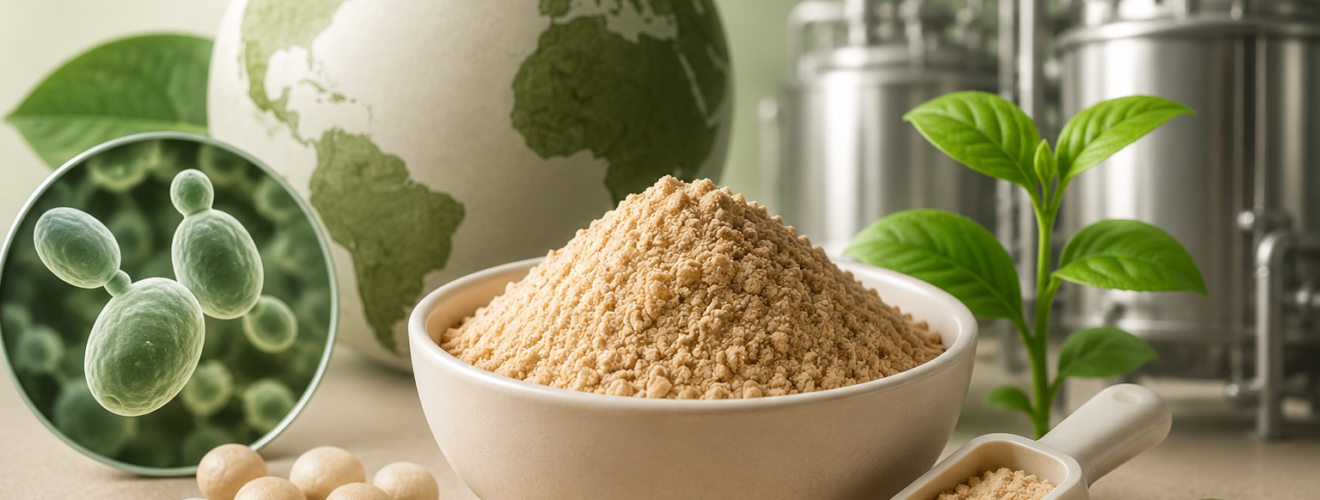
The world now needs better and smarter food sources. As the global population grows fast, experts search for new protein options that can support human health and also reduce pressure on the environment. One solution that has gained strong attention in recent years is yeast protein.
Yeast protein comes from tiny living organisms called yeast. Most people know yeast because people use it to make bread or beer, but scientists now use it for much more than that. Today, many food companies study yeast as a new way to produce protein for people, animals, and the food industry.
Many experts believe yeast protein can become an important part of the future food system because it offers nutrition, sustainability, and faster production compared to traditional protein sources.
What is Yeast Protein
Yeast protein is protein that comes from single-cell microorganisms called yeast. Unlike meat, eggs, or dairy, this protein does not come from animals. Unlike soy or peas, it also does not come from plants.
Scientists grow yeast inside controlled fermentation tanks. These tanks create the perfect environment where yeast multiplies quickly. After growth reaches the required level, companies collect the yeast biomass and process it to extract protein.
Several yeast species help in this process. The most common one is Saccharomyces cerevisiae, which many people know as baker’s yeast. Other species such as Candida utilis, Yarrowia lipolytica, and Komagataella phaffii also play an important role in industrial production.
This method allows companies to create large amounts of protein within a short period.
Nutritional Value of Yeast Protein
One major reason behind the growing interest in yeast protein is its strong nutritional profile.
Most yeast protein products contain between 45 percent and 65 percent protein. This amount makes it highly competitive with several traditional protein sources.
Another major advantage comes from its amino acid profile. Human health depends on nine essential amino acids because the body cannot produce them naturally. Yeast protein usually contains all nine, which makes it a complete protein source.
It also contains other useful nutrients. Many yeast products naturally provide B-complex vitamins, fiber, nucleotides, and beta-glucans. These nutrients support overall health and make yeast protein more valuable than many standard protein products.
Because of this nutritional quality, many experts consider it suitable for athletes, vegans, and people who want balanced nutrition.
Environmental Benefits
One of the biggest reasons companies invest in yeast protein is sustainability.
Traditional animal farming needs huge amounts of land, water, and feed. Cattle farming, for example, creates large greenhouse gas emissions and puts pressure on natural resources.
Yeast production creates far less environmental damage. It requires much less land because companies grow it inside fermentation tanks instead of large farms. Water use stays lower compared to livestock production.
Another major benefit comes from production speed. Animals often need months or years before they become a food source. Yeast multiplies within hours or days, which allows very fast protein production.
This efficiency makes yeast protein attractive for countries that face food shortages, water scarcity, or land limitations.
Health Advantages
Yeast protein offers several health benefits beyond simple nutrition.
Its amino acid balance helps muscle repair and body recovery. Because of this, sports nutrition companies have started to study its potential for protein shakes and health supplements.
Yeast naturally contains beta-glucans, which scientists often connect with immune system support. Some research also suggests benefits for gut health because certain yeast compounds support healthy digestion.
The fiber content also helps people feel full for longer periods after meals. This may help people who want better appetite control.
Its vitamin content, especially B vitamins, supports energy production and general body function.
These qualities make yeast protein useful not only as food but also as part of functional nutrition products.
Main Problems and Weaknesses
Even with many benefits, yeast protein still has several challenges.
The biggest issue is taste. Natural yeast often creates bitter, sulfur-like, or strong umami flavors. This makes it difficult for food companies that want to create products with neutral taste.
To solve this problem, companies spend large amounts of money on flavor improvement technology.
Another challenge comes from RNA content. Yeast naturally contains high levels of nucleic acids. When people consume too much RNA, the body may produce extra uric acid.
High uric acid levels may increase the risk of gout in people who already have health sensitivity. Because of this, manufacturers often use special processing methods to reduce RNA before products reach consumers.
Consumer perception also creates problems. Many people hear the word yeast and immediately think about bread, beer, or fungus. This can make product marketing more difficult.
Production cost remains another major obstacle. Fermentation facilities require expensive equipment, which makes yeast protein more costly than soy or pea protein.
Comparison With Other Protein Sources
Yeast protein competes directly with whey, soy, pea protein, and meat-based protein.
Whey protein usually contains around 80 to 90 percent protein and offers excellent nutrition. Soy protein also reaches similar levels and remains cheaper to produce.
Pea protein generally contains 75 to 85 percent protein and has become very popular in plant-based products.
Yeast protein usually contains 45 to 65 percent protein, which is slightly lower. However, it performs much better in sustainability and environmental impact.
Compared with beef, yeast protein creates far less carbon emissions and requires only a small fraction of land and water.
Because of this balance between nutrition and sustainability, many researchers see strong long-term value in yeast protein.
Top Companies in the Industry
Several major companies now work actively in yeast protein development.
Angel Yeast is one of the biggest companies in this field. The Chinese company produces nutritional yeast, yeast extract, and protein ingredients for global food markets.
Lesaffre, based in France, stands as one of the largest yeast producers in the world. The company invests heavily in fermentation research and food innovation.
DSM-Firmenich also plays an important role in biotechnology and nutrition development. The company works on advanced protein solutions for future food production.
The EVERY Company focuses on fermentation-based alternative proteins and develops new protein ingredients without animal agriculture.
Arkeon Bio has gained attention for innovative microbial fermentation systems designed for sustainable protein production.
MycoTechnology also works on advanced food biotechnology and fermentation-based ingredient development.
These companies continue to push innovation in this growing industry.
Future of Yeast Protein
The future of yeast protein looks promising.
Food companies now search for alternatives to traditional agriculture because global demand for protein rises every year. Climate change also forces industries to rethink food production systems.
Yeast protein may become common in protein bars, dairy alternatives, sports nutrition products, ready-to-drink shakes, meat alternatives, pet food, and even fish farming.
The biggest question remains cost. If companies can lower production expenses and improve taste quality, yeast protein may become a mainstream product instead of a niche market product.
Experts believe fermentation technology will improve significantly in the next decade, which could make yeast protein cheaper and more accessible worldwide.
Conclusion
Yeast protein represents one of the most exciting developments in modern food science. It provides strong nutrition, complete amino acids, environmental sustainability, and fast production.
At the same time, challenges such as taste, production cost, consumer acceptance, and RNA management still need better solutions.
Despite these limitations, many experts believe yeast protein can play an important role in the future global food supply.
As technology improves and companies continue research, yeast protein may soon become a major protein source for millions of people around the world.
Also Read – Vitamin D: The Most Ignored Nutrient Your Body Needs Daily