
Venezuela Earthquake 2026: Death, Damage and Rescue Work
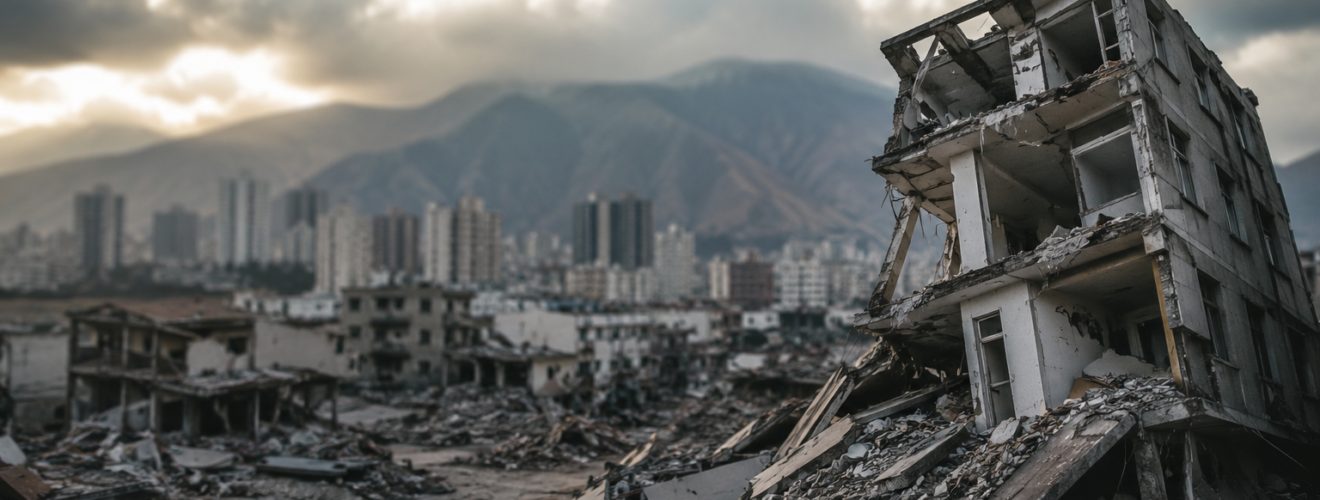
Venezuela has suffered one of the worst natural disasters in its recent history after two massive earthquakes struck the country within seconds of each other. The disaster took place between June 24 and June 25, 2026, and caused severe destruction across several major areas. The strong shaking damaged homes, roads, hospitals, and public buildings. Thousands of people now face an uncertain future as rescue teams continue emergency work.
Officials say this earthquake event has become one of the deadliest disasters Venezuela has seen in more than one hundred years. The country now faces a major humanitarian crisis as people search for family members and wait for help.
Two Massive Earthquakes Strike Back to Back
Reports show that the disaster began when the first earthquake, measured at magnitude 7.2, hit the country. Only around 39 seconds later, a second and stronger earthquake followed. This second quake reached magnitude 7.5 and brought even more destruction.
Experts describe this rare event as an earthquake doublet. This happens when two very strong earthquakes occur almost immediately after one another in the same area. Because the second quake came so quickly, people had almost no time to react after the first shock.
The two earthquakes together created powerful ground movement that spread fear across the country and caused serious damage in many cities.
Epicenter Near San Felipe
Scientists confirmed that the center of the earthquake was near San Felipe, a city located in Yaracuy state. This area felt the strongest impact, but the shaking spread far beyond the epicenter.
People in the capital city of Caracas also felt violent movement. Buildings shook heavily, windows broke, and many people ran outside in panic. Coastal regions, including La Guaira, also experienced severe shaking that damaged homes and public infrastructure.
The widespread impact showed just how powerful the earthquake had become.
Death Toll Continues To Rise
Authorities confirmed that more than 235 people have lost their lives because of the disaster. Officials believe this number may increase as rescue workers continue searches through collapsed structures.
Thousands of people have suffered injuries, with hospitals now under extreme pressure. Medical workers face serious challenges because many health centers also suffered structural damage during the earthquake.
Families across the country now wait desperately for news about missing relatives. In some areas, communication systems stopped working, which has made contact even harder.
The nation now faces deep grief as communities deal with sudden loss.
Buildings Collapse Across Major Cities
The earthquake caused serious structural damage across several parts of Venezuela. In Caracas, multiple residential buildings collapsed after the strong ground movement. Some apartment complexes partially fell, trapping people under heavy concrete and debris.
Roads developed deep cracks that made transportation difficult. Bridges suffered damage in some regions, which slowed rescue vehicles.
Government offices, schools, shopping centers, and older buildings also faced destruction. Engineers now inspect structures to determine which buildings remain safe and which must stay closed.
The scale of damage has shocked both citizens and authorities.
Power Cuts Create More Problems
Large parts of the country lost electricity after the earthquake damaged power systems. Entire neighborhoods suddenly went dark, which created additional danger during nighttime rescue operations.
Water supply systems also suffered disruption in several affected areas. Many families now struggle to access clean drinking water.
Telephone networks stopped working in some regions because communication towers suffered damage during the violent shaking. Because of this, many people could not contact loved ones for hours after the disaster.
Basic daily life has become extremely difficult for thousands of residents.
Hospitals Face Emergency Conditions
Hospitals across affected cities now work under severe pressure as injured people continue to arrive. Doctors and nurses must treat large numbers of patients while dealing with damaged medical buildings and limited resources.
Emergency rooms remain overcrowded. Some hospitals have moved treatment areas outside because parts of their buildings no longer appear safe.
Medical teams continue requests for more supplies, medicine, and additional support. Authorities now race against time to prevent the healthcare system from collapsing under pressure.
The situation remains highly critical.
Rescue Teams Search For Survivors
Emergency workers continue rescue efforts in the hardest-hit regions. Teams use heavy machinery to clear broken concrete while specially trained workers search for survivors trapped beneath collapsed buildings.
In several places, rescuers work day and night because experts believe some people may still remain alive under the debris.
Families gather near destroyed buildings and wait anxiously for updates. Emotional scenes have appeared across television broadcasts as rescue workers continue difficult operations.
Every hour now becomes extremely important in the search for survivors.
International Aid Begins To Arrive
The Venezuelan government has officially declared a state of emergency after the disaster. This decision allows authorities to organize faster emergency operations and request outside help.
International aid groups have already started support efforts. United Nations agencies and humanitarian organizations now coordinate rescue operations, medical assistance, and food supply distribution.
Neighboring countries have also offered assistance as Venezuela faces one of its darkest moments in recent history.
Global attention now remains focused on the country’s recovery.
Aftershocks Keep People Afraid
Even after the main earthquakes ended, smaller aftershocks continue across the affected region. These additional tremors create fear among residents because damaged buildings could collapse further.
Many people now avoid returning inside homes and spend nights outside in open spaces for safety. Authorities have warned citizens to remain cautious until seismic activity fully stops.
Experts continue close monitoring because further movement remains possible.
The fear has not disappeared even after the main disaster passed.
Venezuela Faces A Long Recovery
This earthquake has left Venezuela deeply wounded. More than 235 lives have already been lost, thousands of people have suffered injuries, and entire communities now face destruction.
Homes have disappeared, hospitals struggle to function, power systems remain damaged, and families continue painful searches for missing loved ones.
Experts now describe this event as one of the worst earthquakes Venezuela has experienced in over a century.
The immediate focus remains rescue and medical care, but the road ahead will require months, and perhaps years, of rebuilding.
For Venezuela, recovery has only just begun.
Also Read – Top 10 Best Home Assistant Platforms for Smart Homes