Michael Review: Style Over Substance in Pop Biopic
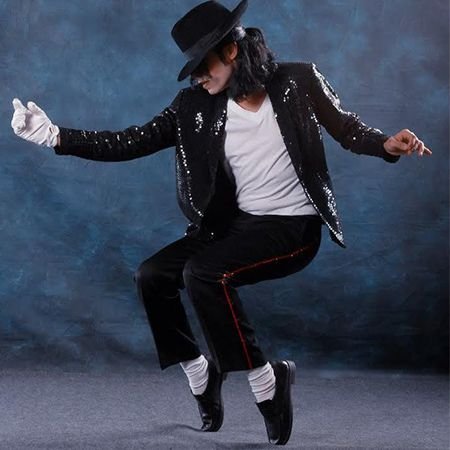
The long-awaited biopic Michael arrived with enormous expectations, but the film struggles to balance spectacle with substance. Director Antoine Fuqua delivers a visually polished tribute, yet the narrative rarely digs beneath the surface of Michael Jackson’s complex life. The result feels impressive in moments but ultimately hollow.
A Performance That Carries the Film
Jaafar Jackson delivers a striking central performance. He captures the physicality, voice, and stage presence of Michael Jackson with uncanny precision. Every dance move flows with confidence, and each musical sequence reflects careful attention to detail.
You can see the effort in every frame. Jaafar doesn’t imitate—he channels. He brings charisma to the stage recreations, especially during iconic moments inspired by Billie Jean and Thriller. Those sequences offer the film’s strongest highlights and keep the audience engaged even when the story falters.
However, a strong performance cannot fully compensate for weak writing. Jaafar gives the film emotional weight, but the script rarely supports him with meaningful depth.
A Story That Avoids Complexity
The film follows a familiar rise-to-fame structure. It traces Michael’s early years with the Jackson 5, his breakthrough as a solo artist, and his transformation into a global icon. That arc should feel compelling, but the storytelling sticks to predictable beats.
The biggest issue lies in what the film chooses to ignore. The narrative stops around the late 1980s, which means it avoids the most controversial and complicated chapters of Michael Jackson’s life. That decision shapes the entire tone of the film.
Instead of presenting a layered human story, the film leans toward a carefully curated image. It highlights success, talent, and struggle in controlled doses but never fully confronts the darker or more challenging aspects. That choice makes the story feel incomplete.
You don’t get a full portrait—you get a polished version.
Direction: Visually Strong, Emotionally Distant
Antoine Fuqua brings technical skill and cinematic polish. He stages performances with energy and flair, using lighting, camera movement, and choreography to create memorable sequences. The concert scenes feel immersive and dynamic.
However, Fuqua focuses heavily on visual appeal and pacing. He moves quickly from one milestone to another, which prevents deeper emotional exploration. Scenes that should carry emotional weight often pass too quickly.
For example, key relationships—family dynamics, creative partnerships, and personal struggles—receive limited attention. The film introduces these elements but rarely develops them. As a result, the emotional core feels underdeveloped.
You watch events unfold, but you don’t fully feel their impact.
Music and Nostalgia: The Film’s Biggest Strength
The soundtrack plays a crucial role in keeping the film engaging. Michael Jackson’s music naturally brings energy, nostalgia, and emotional resonance. Each major performance reminds viewers why he remains one of the most influential artists in history.
The film uses these moments effectively. It recreates iconic performances with care and precision, and those scenes often deliver excitement and visual spectacle.
For fans, these sequences provide genuine enjoyment. They celebrate the artistry and cultural impact of Michael Jackson in a way that feels authentic.
However, the film leans too heavily on nostalgia. It uses music to compensate for narrative gaps instead of building a strong story around it.
Writing: Safe, Predictable, and Surface-Level
The screenplay follows a conventional formula. It avoids risk, avoids controversy, and avoids deeper psychological exploration. That approach limits the film’s impact.
Dialogue often feels functional rather than memorable. Characters speak to move the plot forward rather than reveal personality or conflict. As a result, many supporting characters feel underwritten.
The film also struggles with pacing. It rushes through important events while lingering on familiar highlights. That imbalance creates a sense of uneven storytelling.
A biopic about a figure as complex as Michael Jackson demands nuance. This script delivers simplicity instead.
Controversy and Public Perception
The film’s connection to Michael Jackson’s estate influences its tone and content. Critics have pointed out that this involvement likely shapes the film’s decision to avoid controversial topics.
That choice creates a divide in audience expectations. Some viewers may appreciate a celebratory tribute, while others expect a more honest and comprehensive portrayal.
In today’s landscape, audiences often look for authenticity in biographical films. When a film sidesteps difficult questions, it risks losing credibility.
Michael faces that challenge directly.
Audience Experience: Who Will Enjoy It?
Fans of Michael Jackson will likely find value in the film. The music, performances, and visual recreations offer moments of genuine enjoyment. Jaafar Jackson’s portrayal alone makes the film worth watching for many viewers.
However, those seeking a deeper, more analytical look at Michael Jackson’s life may feel disappointed. The film does not aim to challenge or provoke—it aims to celebrate.
That distinction defines the overall experience.
Final Verdict
Michael succeeds as a visual and musical tribute but falls short as a compelling biographical drama. Jaafar Jackson’s performance stands out as the film’s strongest asset, while the storytelling limits its emotional and narrative impact.
The film chooses safety over depth, and that decision shapes every aspect of the final product. It entertains, but it does not fully satisfy.
Also Read – 7 Things Schools Don’t Teach (But Absolutely Should)
Ratings
- Performance: ⭐⭐⭐⭐☆ (4/5)
- Direction: ⭐⭐⭐☆☆ (3/5)
- Story & Writing: ⭐⭐☆☆☆ (2/5)
- Music & Visuals: ⭐⭐⭐⭐☆ (4/5)
- Overall: ⭐⭐⭐☆☆ (3/5)