Why Beauty Brands Are Selling Lies?
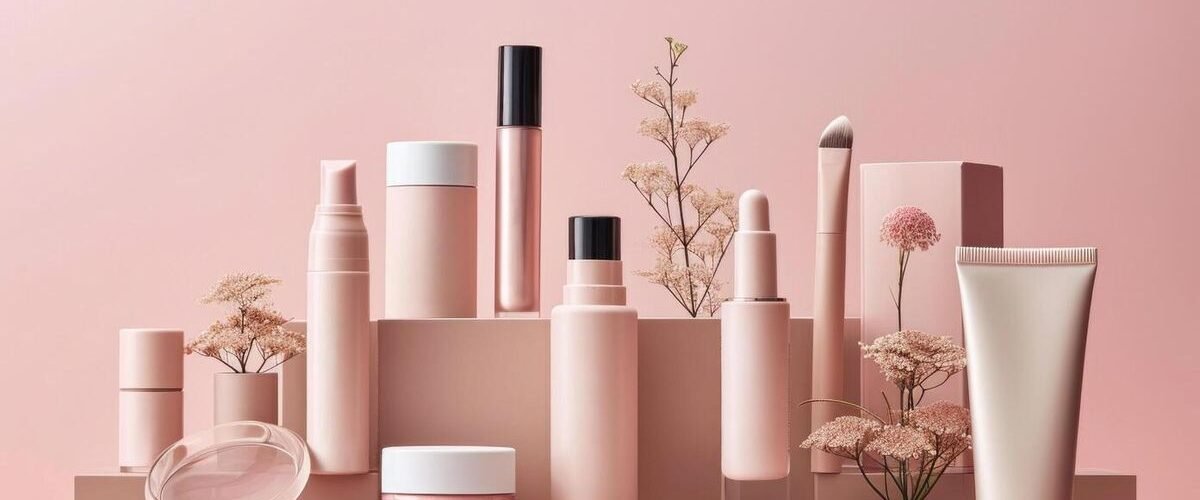
The beauty industry promises transformation. Brands sell glowing skin, thicker hair, and ageless beauty through polished campaigns and viral trends. Many consumers trust these promises and spend billions each year chasing results.
A closer look reveals a different reality. Many beauty brands rely on exaggerated claims, unclear language, and emotional manipulation to drive sales. Recent data, lawsuits, and regulatory actions expose how deeply this problem runs.
This article breaks down why beauty brands mislead consumers, how the system enables it, and what the latest data reveals about the scale of deception.
The Scale of Misleading Claims
The numbers reveal how widespread the problem has become. Studies show that fewer than 20% of cosmetic claims hold up under scrutiny. That means more than 80% of claims appear exaggerated, vague, or unsupported.
Recent data from 2024–2025 reinforces this pattern. Personal care products rank among the most misleading advertising categories. Over half of flagged cases involve dishonest or incomplete representation, especially in influencer promotions.
Regulators across global markets have started to act. Authorities in South Korea blocked dozens of cosmetic ads that promised medical benefits such as hair loss treatment without proper evidence.
These figures show a consistent trend. Misleading marketing does not represent isolated incidents. It defines a dominant strategy across the industry.
The Business Incentive to Mislead
Beauty brands compete in a crowded market. Thousands of products fight for attention across stores and digital platforms. Companies rely on bold claims to stand out.
Phrases like “clinically proven,” “dermatologist approved,” and “100% natural” appear everywhere. These phrases sound scientific and trustworthy, yet many lack clear definitions or strong evidence.
Research shows that misleading claims influence buying decisions and increase purchase intent. Consumers often respond to confidence and authority in messaging, even when the claims lack substance.
Brands understand this behavior. They use strong language because it drives conversions. Sales increase when products promise dramatic results, even if those results remain unrealistic.
Social Media and Influencer Amplification
Social media has transformed beauty marketing. Platforms like Instagram, TikTok, and YouTube allow brands to reach millions instantly. Influencers now serve as the most powerful marketing channel.
Many influencers promote products using filters, editing tools, and curated lighting. These techniques create unrealistic before-and-after comparisons. Viewers see flawless results that do not reflect real product performance.
Studies show that digital cosmetic advertising shapes both purchasing decisions and societal beauty expectations. Influencer endorsements blur the line between genuine reviews and paid promotions.
Several common practices worsen the issue:
- Influencers fail to disclose paid partnerships clearly
- Edited visuals exaggerate product effectiveness
- Sponsored content mimics authentic personal experiences
This environment makes it difficult for consumers to separate truth from marketing.
The Rise of Clean Beauty and Greenwashing
The “clean beauty” movement has created a new layer of confusion. Brands label products as safe, non-toxic, or natural without consistent standards or definitions.
Many companies use these labels to attract health-conscious consumers. However, lawsuits and investigations reveal that some products contain ingredients that contradict these claims.
Brands also exaggerate sustainability efforts. Some promote eco-friendly packaging or natural sourcing without evidence. Others highlight minor improvements while ignoring larger environmental impacts.
Fear-based marketing plays a key role. Some companies misrepresent scientific data to scare consumers away from common ingredients. They position their own products as safer alternatives without solid proof.
This strategy builds trust through fear and confusion rather than transparency.
Legal Battles and Industry Crackdowns
Legal pressure on the beauty industry has increased significantly. Courts and regulators now challenge misleading claims more aggressively.
Recent lawsuits highlight several recurring issues:
- Products labeled “100% mineral” that contain synthetic ingredients
- Misleading “Made in USA” claims that influence pricing
- Deceptive packaging that makes products appear larger than they are
Litigation has intensified across the industry. Both established brands and major retailers face legal challenges over advertising practices.
These cases signal a shift. Authorities and consumers no longer ignore misleading marketing. Companies now face real consequences for false or exaggerated claims.
Weak Regulation Enables Misleading Marketing
Regulatory gaps allow misleading practices to continue. Cosmetic products do not require proof of effectiveness before entering the market. Authorities mainly act after complaints arise.
This system creates several problems:
- Brands launch products without strong evidence
- Marketing claims face limited pre-approval scrutiny
- Enforcement happens only after consumers experience harm
Companies often test the limits of what they can claim. They adjust language just enough to avoid legal violations while still creating strong impressions.
This reactive system allows misleading marketing to spread before regulators step in.
Psychological Manipulation Drives Sales
Beauty marketing targets emotions more than logic. Brands tap into deep psychological triggers to influence consumer behavior.
Common emotional drivers include:
- Fear of aging
- Desire for social acceptance
- Pressure to meet beauty standards
Products promise confidence, attractiveness, and transformation. These promises resonate strongly, even when evidence remains weak.
Social media intensifies this effect. Constant exposure to idealized beauty creates dissatisfaction and increases product demand.
Research shows that misinformation in skincare spreads rapidly online. Consumers struggle to distinguish between science and marketing, especially when emotional appeal dominates messaging.
The Real Cost of Deception
Misleading beauty claims affect both consumers and the industry.
Consumers face several risks:
- Wasted money on ineffective products
- Skin irritation or damage from unsuitable ingredients
- Confusion about what actually works
The industry also suffers long-term consequences:
- Increased lawsuits and legal costs
- Loss of consumer trust
- Greater regulatory scrutiny
Deceptive marketing creates short-term gains but long-term damage.
Why Consumers Still Believe the Claims
Despite growing awareness, many consumers continue to trust beauty marketing. Several factors explain this behavior.
First, information overload makes evaluation difficult. Ingredient lists and scientific claims confuse most buyers.
Second, emotional appeal outweighs logic. People want to believe in transformation and improvement.
Third, authority bias influences decisions. Influencers and experts create a sense of credibility, even without strong evidence.
Finally, lack of transparency prevents informed choices. Brands often hide important details behind vague language.
Consumers may suspect exaggeration, yet hope drives them to try products anyway.
The Future of Beauty Marketing
The beauty industry stands at a turning point. Legal action, stricter enforcement, and consumer awareness are reshaping the landscape.
Several trends will define the future:
- Demand for clear scientific evidence
- Stronger advertising regulations
- Growth of transparency-focused brands
- Increased reliance on dermatologists and experts
Brands that prioritize honesty and data will gain trust. Companies that rely on exaggeration will struggle to maintain credibility.
Conclusion
Beauty brands do not mislead consumers by accident. They do it because the system rewards bold claims, emotional messaging, and rapid sales.
However, change has already begun. Data, lawsuits, and consumer awareness are exposing the truth behind beauty marketing.
The industry must evolve. Brands that replace exaggeration with transparency will lead the next phase of growth. Consumers will continue to demand honesty, and the market will reward those who deliver it.