
Mardaani 3 Review: Strong Message, Weak Storytelling
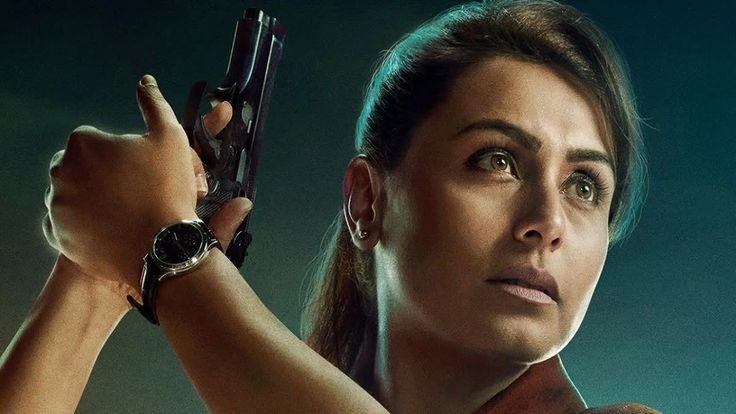
After watching Mardaani 3, I walked out of the theatre with mixed emotions. The film tried hard to raise its voice against crime and injustice, but it struggled to find a fresh way to tell its story. I expected the third chapter of the franchise to raise the stakes, deepen the conflict, and surprise me. Instead, I saw a film that relied heavily on old formulas and emotional manipulation without offering much new insight.
The title “One Plus Two Does Not Equal Three” fits perfectly. The makers assumed that combining the intensity of Mardaani and the brutality of Mardaani 2 would automatically create a stronger third part. That assumption failed. The film carried urgency and good intentions, but it lacked originality and narrative courage.
A Familiar Story in a New Wrapper
The plot once again followed Superintendent Shivani Shivaji Roy as she confronted a dangerous criminal network. I recognized the structure within the first fifteen minutes. The introduction set up a horrifying crime, followed by Shivani’s moral outrage and her mission to bring the culprits to justice. The screenplay pushed all the emotional buttons—anger, grief, and revenge—but it never took a risk with the storytelling.
I felt like I had seen this journey before. The villain appeared ruthless but underwritten. The investigation scenes repeated the same pattern: interrogation, chase, emotional monologue, and confrontation. The film wanted to shock me with disturbing visuals and heavy dialogues, yet it never surprised me intellectually. A thriller must keep the audience guessing. This one walked on a straight road that I could see from far away.
Rani Mukerji Carries the Film on Her Shoulders
Rani Mukerji delivered another committed performance as Shivani Roy. She brought authority, fire, and emotional depth to the role. I believed her anger. I felt her frustration. Her screen presence kept the film alive when the script started to wobble.
She did not rely on glamour or heroics. She used silence, sharp looks, and controlled rage to make her character believable. However, even her powerful acting could not hide the weakness of the writing. The dialogues sounded repetitive and overly dramatic at times. The film treated Shivani more like a symbol than a human being. I wanted to see her inner conflict, her doubts, and her vulnerabilities. Instead, the screenplay painted her as a constant force of righteousness with little room for nuance.
Social Message vs. Storytelling
The film addressed serious issues such as organized crime, exploitation, and the failure of the system. I appreciated its intention to spark awareness and anger. Yet intention alone does not create impact. The film preached more than it showed. Several scenes felt designed to deliver speeches rather than develop characters.
When a film focuses too much on sending a message, it risks losing its emotional connection. I noticed this problem throughout the second half. The narrative slowed down because it tried to underline every moral point with dramatic background music and lengthy dialogues. Instead of trusting the audience to understand, the film explained everything.
Cinema works best when it lets emotions flow naturally. Here, the film forced emotions into every frame. I wanted to feel disturbed and thoughtful. I ended up feeling manipulated.
Direction and Pacing Problems
The direction aimed for intensity but created monotony. The dark color palette, tense music, and violent imagery remained constant from beginning to end. Without tonal variation, the film lost its power to shock. What should have felt gripping started to feel exhausting.
The pacing also created trouble. The first half dragged because of predictable investigation scenes. The second half rushed through key confrontations. Important moments deserved more breathing space, but the film hurried to reach its climax. The final act delivered emotional payoff but not narrative satisfaction.
Supporting Characters Remain Flat
The supporting cast had potential, but the script did not give them enough depth. Police colleagues existed mainly to praise Shivani or react to her actions. Victims appeared only to generate sympathy. The antagonist lacked psychological complexity. I never understood his motivations beyond basic cruelty.
A strong villain could have lifted the film. Instead, the antagonist remained a symbol of evil rather than a character. This choice weakened the tension. Conflict needs balance. When one side feels shallow, the entire drama suffers.
Music and Cinematography
The background score tried hard to elevate every scene. Sometimes it worked. At other times, it felt excessive. Silence could have strengthened many moments. The cinematography looked gritty and realistic, but it followed a safe visual pattern. The film did not experiment with framing or lighting in a memorable way.
Action sequences looked raw and intense, yet they lacked creativity. I missed the sharp choreography and clever staging that could have made them stand out from routine crime thrillers.
Comparison with Earlier Films
The first Mardaani felt fresh because it introduced a fearless female cop in a brutal world. The second part shocked audiences with its dark villain and bold storytelling. This third installment tried to repeat both approaches but failed to merge them effectively.
Instead of evolving, the franchise circled back to its comfort zone. I wanted growth—new challenges, deeper themes, and unexpected turns. The film gave me repetition with louder volume.
Audience Reaction and Box Office Buzz
The audience around me reacted strongly to emotional scenes. Many clapped for Shivani’s confrontations and powerful lines. I sensed that viewers appreciated the film’s intent and Rani Mukerji’s performance. However, I also heard murmurs about predictability and length.
The film may succeed commercially because of its brand and star power. But critical appreciation demands more than sincerity. It demands innovation and craft.
Final Verdict
Mardaani 3 stands as a film with a strong heart but a weak spine. It wants to fight crime and injustice, but it uses old weapons. I admired its courage and commitment, yet I felt disappointed by its lack of imagination. Rani Mukerji saved the film from collapsing, but she could not transform it into a truly memorable chapter.
This film proves that a franchise cannot survive on intensity alone. Storytelling must evolve. Characters must grow. Messages must blend naturally with drama. Otherwise, even the most powerful themes lose their impact.
I left the theatre respecting the film’s purpose but questioning its execution. One plus two should have equaled three. In this case, it equaled repetition.
Also Read – Best Cars for Resale Value