
Traditional Sweet Shops vs Modern Desserts
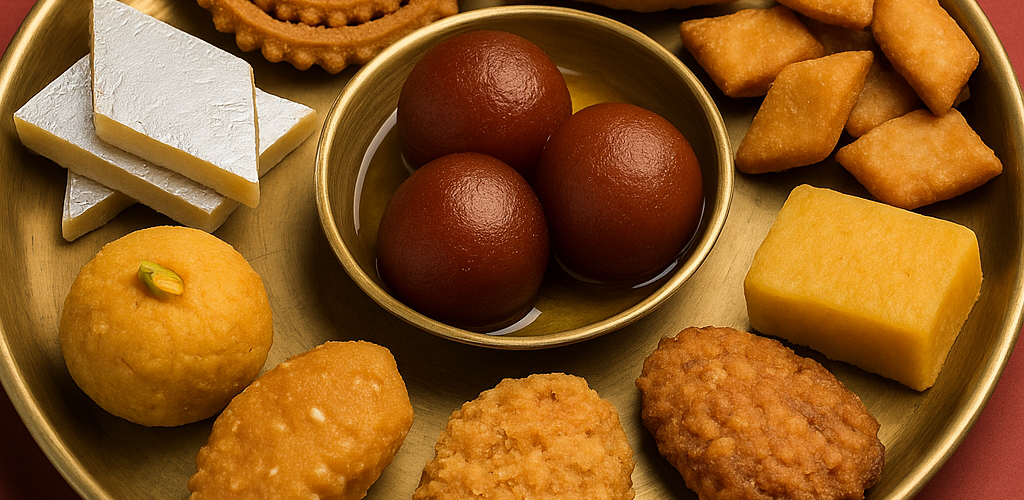
Desserts have always been more than just food—they represent culture, celebration, and identity. From centuries-old sweet shops selling handcrafted confections to modern dessert cafés serving fusion flavors and Instagram-worthy treats, the dessert industry reflects changing lifestyles and values. Today, traditional sweet shops and modern dessert businesses coexist, compete, and influence each other in powerful ways.
This article compares traditional sweet shops and modern dessert outlets across history, ingredients, preparation methods, health considerations, customer experience, business models, and market trends using the most recent data and observations from 2025.
The Evolution of Desserts
Traditional Sweet Shops: Roots in Heritage
Traditional sweet shops have existed for centuries in many cultures. In South Asia, the Middle East, and parts of Europe, sweet shops were family-run businesses known for recipes passed down through generations. These shops often specialized in a limited number of items such as laddoos, halwa, jalebi, baklava, nougat, or fudge.
Key features of traditional sweet shops:
- Handmade preparation
- Local ingredients (milk, sugar, nuts, flour, ghee)
- Strong association with festivals and rituals
- Personal relationships with customers
- Community-based presence
These shops were not merely businesses but cultural institutions tied to weddings, religious events, and social gatherings.
Modern Desserts: Innovation and Global Influence
Modern dessert culture emerged with globalization, café culture, and digital influence. Dessert chains, bakeries, and specialty cafés introduced cupcakes, cheesecakes, waffles, bubble tea, frozen yogurt, and fusion desserts inspired by multiple cuisines.
Characteristics of modern dessert businesses:
- Experimentation with flavors and textures
- Visual appeal and branding
- Use of technology and automation
- Strong social media presence
- Delivery-based sales models
Modern desserts often emphasize presentation and novelty as much as taste.
Ingredients and Preparation Methods
Traditional Sweet Shops
Traditional sweets rely on natural, familiar ingredients:
- Milk and milk solids
- Sugar or jaggery
- Ghee (clarified butter)
- Flour and semolina
- Nuts and spices
Preparation methods are usually manual and time-intensive, such as slow cooking milk into khoya or frying batter for hours to achieve perfect texture. Recipes often avoid preservatives and rely on same-day freshness.
Strengths:
- Authentic flavors
- Fewer artificial additives
- Cultural authenticity
Limitations:
- Short shelf life
- Labor-intensive production
- Inconsistent quality if skills vary
Modern Desserts
Modern desserts use a wider range of ingredients:
- Refined sugar and syrups
- Artificial flavorings and colors
- Stabilizers and preservatives
- Chocolate compounds
- Imported ingredients
Automation and refrigeration allow mass production and long shelf life. Many items are pre-prepared and assembled rather than fully handmade.
Strengths:
- Consistency in taste
- Longer shelf life
- Ability to scale production
- Wider variety
Limitations:
- Higher processing
- Often higher sugar and fat content
- Less connection to traditional food values
Health and Nutrition Considerations
Traditional Sweets
Traditional sweets are calorie-dense but often made with whole ingredients like milk, nuts, and natural sweeteners. Some include nutritional benefits from nuts and spices.
However:
- High sugar content
- High saturated fat
- Not suitable for daily consumption
They are typically eaten during festivals or special occasions, which naturally limits frequency.
Modern Desserts
Modern desserts are more frequently consumed as casual snacks. Many contain:
- High refined sugar
- Trans fats
- Artificial additives
- Larger portion sizes
New trends in modern desserts include:
- Low-sugar desserts
- Vegan desserts
- Gluten-free pastries
- Protein desserts
- Keto-friendly treats
This reflects growing consumer interest in health-conscious indulgence.
Customer Experience
Traditional Sweet Shops
Customer experience is simple and functional:
- Display counters with open trays
- Direct interaction with shop owner
- Limited seating or none
- Focus on taste over presentation
Loyal customers return for specific items and personal relationships. Trust is built through reputation rather than branding.
Modern Dessert Cafés
Modern dessert cafés offer:
- Themed interiors
- Comfortable seating
- Music and Wi-Fi
- A café culture environment
- Photo-friendly presentation
They provide an experience rather than just a product. Many customers visit not only to eat but also to socialize and create content for social media.
Business Models
Traditional Sweet Shops
Business structure:
- Family-owned
- Single location or few branches
- Cash-based transactions (though digital payments are rising)
- Limited marketing
- Seasonal demand spikes during festivals
Growth is often organic and slow. Brand recognition is local rather than national.
Modern Dessert Businesses
Business structure:
- Franchise and chain models
- Investment-backed startups
- Strong branding
- Online ordering and delivery
- Influencer marketing
They scale quickly through:
- Standardized recipes
- Cloud kitchens
- Mobile apps
- Partnerships with delivery platforms
Market Trends (2025)
Recent trends show:
- Global dessert and bakery market continues steady growth
- Traditional sweets maintain strong cultural demand
- Modern desserts show higher growth in urban areas
- Rising popularity of fusion desserts combining traditional flavors with modern forms (gulab jamun cheesecake, matcha baklava, saffron brownies)
- Increase in premium and artisanal dessert brands
Younger consumers prefer novelty and visual appeal, while older consumers prefer authenticity and familiar taste.
Sustainability and Waste
Traditional Sweet Shops
- Use paper wrapping and reusable containers
- Local sourcing
- Less plastic packaging
- Minimal food miles
Modern Dessert Businesses
- Heavy use of plastic packaging
- Single-use cups and boxes
- Food delivery waste
- Higher carbon footprint
However, modern brands are beginning to adopt:
- Biodegradable packaging
- Plant-based ingredients
- Waste-reduction policies
Cultural Significance
Traditional sweet shops:
- Symbolize heritage
- Preserve culinary knowledge
- Support local farmers and suppliers
- Play a role in festivals and ceremonies
Modern desserts:
- Represent globalization
- Reflect youth culture
- Encourage creativity
- Introduce cross-cultural tastes
Both contribute differently to food culture.
Economic Impact
Traditional sweet shops:
- Provide local employment
- Support small businesses
- Preserve artisanal skills
Modern dessert chains:
- Create large-scale employment
- Attract investment
- Promote food entrepreneurship
- Drive tourism and café culture
Both sectors contribute significantly to the food economy.
Consumer Preferences in 2025
Surveys and market observations indicate:
- Consumers seek balance between tradition and innovation
- Taste remains the most important factor
- Health awareness influences buying decisions
- Social media influences dessert choices
- Price sensitivity remains strong
Many customers alternate between traditional sweets for family occasions and modern desserts for casual outings.
Challenges
Traditional Sweet Shops
- Competition from packaged sweets
- Rising ingredient costs
- Limited marketing
- Succession issues in family businesses
Modern Dessert Businesses
- High rent and operating costs
- Trend dependency
- Short product life cycles
- Market saturation
The Rise of Fusion Desserts
Fusion desserts blend tradition and modernity:
- Rasgulla tiramisu
- Jalebi waffles
- Churro gulab jamun
- Cardamom cupcakes
- Saffron ice cream
These creations appeal to both generations and reflect evolving taste preferences.
Future Outlook
The future dessert landscape will likely include:
- More health-focused sweets
- Sustainable packaging
- Digital ordering systems
- Hybrid sweet shops (traditional + café format)
- Cultural preservation through innovation
Traditional sweet shops may modernize their interiors and branding, while modern dessert brands may incorporate traditional flavors to gain authenticity.
Conclusion
Traditional sweet shops and modern dessert outlets represent two sides of the same story: heritage and innovation. Traditional shops offer authenticity, emotional connection, and time-tested flavors. Modern dessert businesses provide creativity, experience, and global variety.
Rather than replacing one another, they coexist and evolve together. The most successful future dessert businesses will likely be those that combine the trust and flavor of tradition with the creativity and presentation of modern dessert culture.
In 2026, desserts are no longer just about sweetness—they are about identity, lifestyle, health awareness, and experience. Whether one prefers a warm box of handmade sweets or a beautifully plated fusion dessert, both forms continue to shape the way people celebrate, socialize, and indulge.
ALSO READ: Restaurant Loyalty Programs vs Discounts