
Review of New Home-Theatre Systems for Movie Lovers
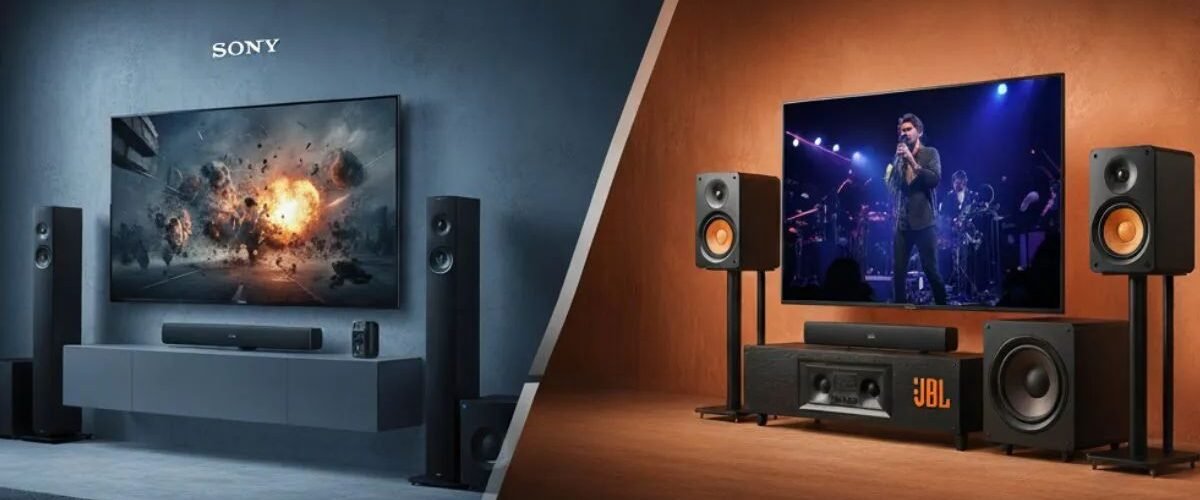
Home-theatre systems continue to evolve rapidly, offering richer sound, more immersive surround experiences, wireless flexibility, and simpler installation options than ever before. For movie lovers, the right setup can transform a living room into a cinematic environment with dynamic sound, clear dialogues, and powerful bass that brings films to life.
This article provides a detailed research-driven review of the newest home-theatre systems available in 2025. It compares their audio capabilities, design, features, and costs while offering guidance on choosing the right system for different room sizes and budgets.
What Defines a Great Home-Theatre System?
Before reviewing specific system categories, it is essential to understand the criteria that define quality home-theatre performance. These standards apply whether you’re evaluating a high-end Dolby Atmos system or a compact soundbar.
1. Sound Quality
A home-theatre system’s primary purpose is to enhance film audio. A great system offers:
- Clear, undistorted dialogue
- Deep, controlled bass
- Rich mid-range frequencies
- Dynamic highs
- Accurate reproduction of ambient and directional effects
2. Surround-Sound Immersion
Whether 5.1, 7.1, or Dolby Atmos, surround sound helps audiences feel placed inside the film. True surround systems use multiple speakers, while some soundbars use processing to simulate it.
3. Bass Performance
A subwoofer defines the cinematic impact—explosions, footsteps, musical crescendos. A good home-theatre system includes a subwoofer capable of deep low-frequency response without distortion.
4. Connectivity
Modern home-theatres require multiple connectivity options such as HDMI ARC/eARC, optical input, Bluetooth, or Wi-Fi. Ease of pairing with a TV or streaming device greatly influences user experience.
5. Room Compatibility
Room size, acoustics, and furniture layout affect sound quality. Large rooms may require multi-speaker systems, while small apartments might benefit from compact soundbars.
6. Ease of Setup
Wiring complexity is often a barrier. Newer systems use wireless subwoofers or satellite speakers to simplify installation. Soundbars offer the easiest setup.
Categories of New Home-Theatre Systems (2025)
Home-theatre systems today fall into three major categories:
- Premium Multi-Speaker Surround Systems (5.1.2, 7.1, Dolby Atmos)
- Mid-Range Surround Soundbars and 5.1 Soundbar Systems
- Budget and Compact Home-Theatre Systems (2.1, 4.1)
Each category has strengths suited to different types of movie lovers.
1. Premium Multi-Speaker Surround Systems
These systems deliver the highest level of immersion and are ideal for dedicated movie enthusiasts who want a cinematic experience at home.
Sony Bravia Theatre Quad System (Premium Category)
This system represents one of the most high-end offerings in the consumer market, designed for large living rooms or media rooms. Its multi-channel layout creates a spacious soundfield with exceptional clarity.
Strengths:
- Accurate placement of directional effects
- Strong, rumbling bass
- Great for Dolby Atmos content
- Minimal distortion even at high volumes
Ideal For: Movie lovers who want the closest experience to a cinema hall.
Klipsch Reference Theater Pack (5.1)
A popular mid-premium system, this pack uses horn-loaded tweeters and a powerful subwoofer to deliver crisp highs and vibrant mids.
Strengths:
- Excellent surround imaging
- Punchy, well-controlled bass
- Compact size but strong performance
Ideal For: Medium-to-large rooms where space allows placement of satellite speakers.
Why Premium Surround Systems Stand Out
- True, physical surround channels—not simulated
- Superior dynamic range
- Clear, well-positioned dialogue via a dedicated center speaker
- Best performance for action movies, sci-fi, thrillers, and sound effects-heavy films
Considerations
- Requires wiring multiple speakers
- Performance depends heavily on room acoustics
- Higher cost
- Requires proper placement for optimum effect
Premium systems are the gold standard for immersive movie experiences, but they demand both investment and space.
2. Mid-Range Surround Soundbars and Hybrid Systems
Modern soundbars have become significantly more advanced, offering near-surround performance without the wiring and complexity of full speaker setups. Many now include subwoofers and small rear speakers.
Sony 5.1 Soundbar System (HT-S Series)
A 5.1-channel soundbar paired with wired rear speakers and a subwoofer.
Strengths:
- Clear center-channel audio
- Wide soundstage
- Good for medium-sized rooms
- Great balance of simplicity and performance
Ideal For: Users wanting real 5.1 surround without handling multiple boxed speakers.
LG 600W Surround Soundbar
This powerful soundbar system delivers strong bass and virtual surround processing that enhances immersion.
Strengths:
- Compact and lightweight
- Strong bass output
- Simplified connection and remote controls
Ideal For: Small-to-medium rooms or apartment setups where large speaker arrays are not practical.
Why Mid-Range Soundbars Are Popular
- Easy to install
- Affordable compared to full premium systems
- Wireless subwoofers for clean layout
- Decent surround simulation for most movies
Considerations
- Soundbars with virtual surround cannot fully match speaker-based systems
- Bass depth may be limited
- Rear speakers (if included) are sometimes small and lack power
For many users, this category offers the best balance between performance, convenience, and cost.
3. Budget and Compact Home-Theatre Systems
These are ideal for viewers who want an upgrade from basic TV speakers without making a large investment.
Sony 4.1 Compact System (SA Series)
An affordable system with four speakers and a subwoofer.
Strengths:
- Good upgrade over TV speakers
- Clear dialogues
- Simple to set up
Ideal For: Small rooms, first-time home-theatre buyers, casual movie watchers.
Why Budget Systems Make Sense
- Affordable entry point
- Good for bedrooms, study rooms, or small apartments
- More powerful and clearer than TV speakers
Considerations
- Limited surround depth
- Bass may not satisfy serious cinephiles
- Not suitable for large rooms
Budget systems provide value but lack the richness required for high-level cinematic immersion.
Comparative Analysis of 2025 Home-Theatre Systems
| Category | Immersion | Bass | Ease of Setup | Best For |
|---|---|---|---|---|
| Premium Multi-Speaker | ⭐⭐⭐⭐⭐ | ⭐⭐⭐⭐⭐ | ⭐⭐ | Large rooms, movie enthusiasts |
| Mid-Range Soundbars | ⭐⭐⭐⭐ | ⭐⭐⭐⭐ | ⭐⭐⭐⭐ | Medium rooms, convenience-focused users |
| Budget/Compact Systems | ⭐⭐⭐ | ⭐⭐ | ⭐⭐⭐⭐⭐ | Small rooms, budget buyers |
Choosing the Right System for Your Space
1. Room Size Matters
- Large Rooms: Require multi-speaker systems with powerful subwoofers.
- Medium Rooms: A good 5.1 soundbar offers strong results.
- Small Rooms: Compact 2.1 or 4.1 systems are ideal.
2. Movie Watching Habits
- Action & Sci-Fi fans: Choose a premium system for impactful bass and surround accuracy.
- Dialog-heavy films: Prioritize systems with strong center-channel clarity.
- Casual streaming: Budget soundbars or compact systems will suffice.
3. Budget Considerations
- Premium systems deliver unmatched performance but cost more.
- Mid-range soundbars offer great value and versatility.
- Budget systems work well for minor upgrades.
Sound Quality Breakdown: What Really Changes the Experience
Dialogue Clarity
Many modern films rely heavily on surround mixes where dialogues get drowned in effects. A dedicated center speaker (or a powerful center channel in a soundbar) is vital.
Bass Depth
Cinematic films contain deep bass that TV speakers cannot reproduce. Subwoofers play a huge role in emotional impact.
Surround Accuracy
Physical multi-speaker setups will always outperform virtual-surround options. If immersion is a priority, choose systems with separate rear channels.
Dynamic Range
High-quality systems handle sudden explosions, whispers, and musical peaks without distortion.
Technology Trends in 2025 Home-Theatre Systems
1. Dolby Atmos Expansion
More systems now support Atmos or simulated Atmos, offering overhead sound effects.
2. Wireless Rear Speakers
Eliminating the need for long wires improves room aesthetics and simplifies placement.
3. Enhanced Soundbar Processing
AI-powered audio processing enhances dialogue, adjusts volume levels, and improves virtual surround realism.
4. Compact Yet Powerful Subwoofers
Modern subwoofers produce deeper bass with smaller size, suitable for apartments.
5. Voice Assistant Integration
Home-theatre systems increasingly support voice control for volume, sound mode switching, and input selection.
Practical Setup Tips for the Best Performance
- Keep the center channel at ear level for clear dialogue
- Place subwoofer in a corner for stronger bass
- Avoid blocking soundbar speakers with the TV stand
- Keep rear speakers slightly behind ear level for true surround
- Calibrate volume levels according to room acoustics
Proper placement can dramatically improve performance—even without buying new equipment.
Conclusion
Home-theatre technology in 2025 provides movie lovers with more choices than ever before. Whether you want a full cinematic experience with a high-end multi-speaker system or a compact soundbar that offers clean, powerful audio, there is a system for every need and budget.
- Premium multi-speaker systems deliver unmatched immersion
- Mid-range soundbars balance sound quality and convenience
- Budget and compact systems provide solid improvements for smaller spaces
Choosing the right home-theatre system depends on room size, personal viewing habits, desired audio quality, and budget. With thoughtful selection and proper setup, any user can experience films with richer detail, deeper emotion, and a more immersive soundstage—right in the comfort of their home.
ALSO READ: Is It Time to Retire Your “One SIP Fits All” Strategy?