‘Udaipur Files’ X Reviews: What Viewers Are Saying On Day 1
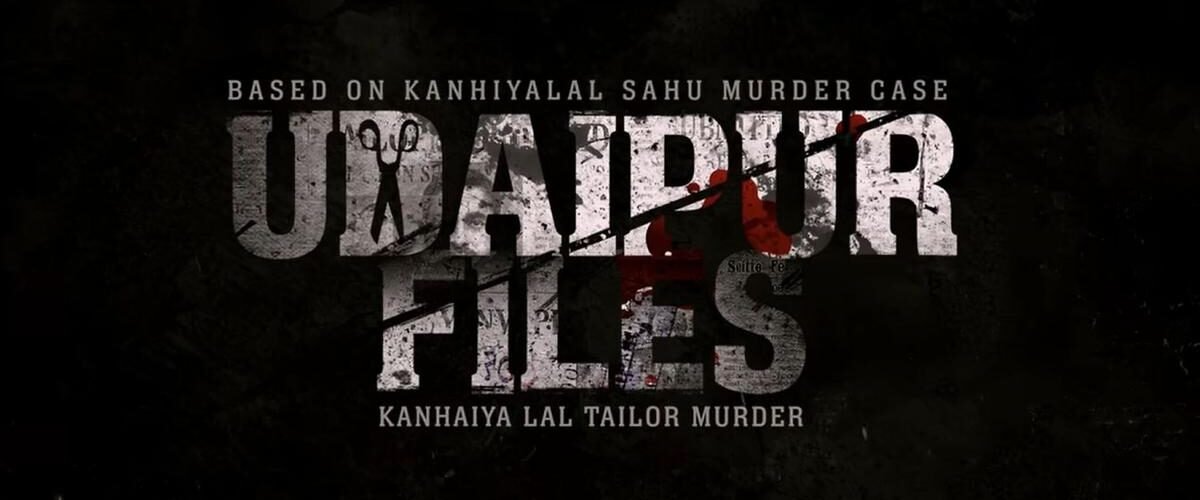
Theatres rolled the curtains up on Udaipur Files today, August 8, 2025, and reactions on X (formerly Twitter) erupted in real time. The film features Vijay Raaz in the lead, with Rajniesh Duggal and Preeti Jhangiani in pivotal roles. It dramatizes the 2022 Udaipur murder of tailor Kanhaiya Lal, a crime that shocked the entire country.
The film reached cinemas after a turbulent legal journey. The Delhi High Court cleared the release after rejecting a plea from one of the accused, who sought a stay on the film’s screening. The court stated that the film had received regulatory clearance and did not directly name the accused. This ruling came after the Central government reviewed the film under the Cinematograph Act and allowed it to proceed. With the legal hurdles removed, the makers went ahead with the nationwide release, and public reactions started flooding social media almost instantly.
The mood on X: Truthful, powerful, and deeply polarizing
Viewers on X described Udaipur Files as “truthful” and “powerful.” Many praised it for confronting a disturbing real-life event without softening the details. They appreciated the focus on the emotional suffering of the victim’s family and the refusal to dilute the brutality of the incident. Supporters expressed a sense of relief that the film resisted the tendency to underplay violence in the name of political correctness.
However, a very different conversation also took shape. Some people questioned whether the film’s tone might provoke political tensions. Concerns appeared over whether a story so recent and painful could be told on screen without influencing public perception while the legal process continued. The debate mirrored earlier arguments that surfaced after the film’s trailer—supporters viewing it as an act of truth-telling, and critics cautioning against sensationalism.
The legal and censorship backdrop
The pre-release journey shaped audience expectations as much as the trailer itself. The film initially faced a stay in July. The Central government then examined the content and gave it the green light earlier this week. Soon after, the Delhi High Court dismissed the plea to block its release. This sequence of events became part of the narrative on X, with supporters framing the clearance as a win for creative freedom, while critics warned about the sensitive nature of the material.
The courtroom drama off-screen raised the profile of the on-screen story. By the time the film released, it carried not just the weight of its subject matter but also the aura of having survived legal challenges.
Applause for performances and emotional weight
Positive reactions on X often singled out Vijay Raaz’s performance. Viewers described his acting as steady, understated, and deeply human—an anchor for a story charged with emotion. Audiences also responded to the film’s pacing and its straightforward, almost journalistic, style. Many praised the choice to keep the focus on the victim and his family rather than turning the narrative into a high-stakes thriller.
In Udaipur, the impact grew even more personal. Kanhaiya Lal’s sons attended a local screening carrying their father’s photograph. Witnesses shared accounts of an audience watching in absolute silence, some with tears in their eyes. Chants for justice echoed after the show ended. These scenes traveled quickly across X, creating a wave of emotional posts that reinforced the film’s image as a work of remembrance rather than entertainment.
Criticism over writing and narrative structure
Critics on X and in early reviews raised concerns about the screenplay. They argued that the storytelling lacked polish, with abrupt transitions and an uneven narrative flow. Some said the film delivered its message with too much bluntness, leaving little room for deeper investigation or nuanced dialogue.
This criticism often came from viewers who supported the film’s purpose but wanted more complexity in its execution. They wished for a richer exploration of institutional failures rather than relying on speeches and overtly emotional scenes. The idea that the story deserved more investigative depth than the film offered gained traction as more viewers weighed in.
The politics-versus-memory debate
The most intense debates on X revolved around whether the film served as a political tool or as a necessary act of cultural memory. Supporters described it as a cinematic memorial to a victim of a hate crime, a way to ensure that such tragedies remain in the nation’s consciousness. They saw the film as a refusal to sanitize or forget the reality of the event.
Critics feared that the film could harden divisions in society. They warned that grief and outrage might be repurposed to fit political agendas. In their view, dramatizing such a recent crime risked replacing careful discussion with fixed emotional narratives.
These contrasting perspectives created two strong and vocal camps, neither of which backed down throughout the day. The discussion became as much about the responsibility of cinema as it was about the film itself.
Scenes and moments dominating social media
Clips and stills from the film quickly filled timelines. Many shared quieter moments—a shirt being folded, a mother’s silent stare, or a lingering glance—arguing that these subtle touches gave the film its humanity. Supporters highlighted these sequences as evidence that the movie was not simply about delivering slogans but about showing the lived pain behind them.
Another set of posts focused on the atmosphere in theatres: packed halls in North Indian cities, subdued exits, and group chants for justice. While the scale of these responses remains uncertain, such visuals shaped the film’s social media identity as a communal experience of grief and solidarity.
Facts circulating in audience threads
Several users posted information threads summarizing key details for those unfamiliar with the film:
- Release date: August 8, 2025, after court and government clearance.
- Cast: Vijay Raaz, Rajniesh Duggal, Preeti Jhangiani.
- Direction: Bharat S. Shrinate and Jayant Sinha.
- Scope: The film covers events leading up to the murder, perceived administrative lapses, and the public fear that followed.
These posts helped frame the conversation for those encountering the film for the first time on their feeds.
Early ratings and ticketing
Aggregator platforms and ticketing portals began collecting audience ratings within hours of release. Scores showed quick fluctuations, which is common for politically sensitive films. Viewers expect numbers to change rapidly as the weekend progresses, with word of mouth playing a key role in whether the film maintains its initial momentum.
The day-one takeaway from X
The early online verdict describes Udaipur Files as an emotionally heavy, morally charged, and unevenly written film. Supporters applaud its refusal to downplay the horror of the incident and value its focus on the victim’s humanity. Critics question its storytelling depth and worry about its potential to inflame existing divides.
The release journey—marked by stays, reviews, and eventual clearance—turned the film into more than just a theatrical release. It became a symbol in the broader conversation about freedom of expression, responsibility in storytelling, and the politics of memory.
As the weekend unfolds, three developments will shape the conversation:
- Audience word of mouth may strengthen or weaken the current wave of praise.
- Detailed critic reviews could balance emotional responses with professional evaluations of craft.
- On-ground visuals from screenings—especially those involving victims’ families—will continue to influence public sentiment.
For now, the film’s first day on X reflects a nation still wrestling with the wounds of the event it portrays. Viewers engage not only with the cinematic choices but also with the deeper question of how stories about real tragedies should be told.