
Best Budget Airlines for Domestic Travel in 2025
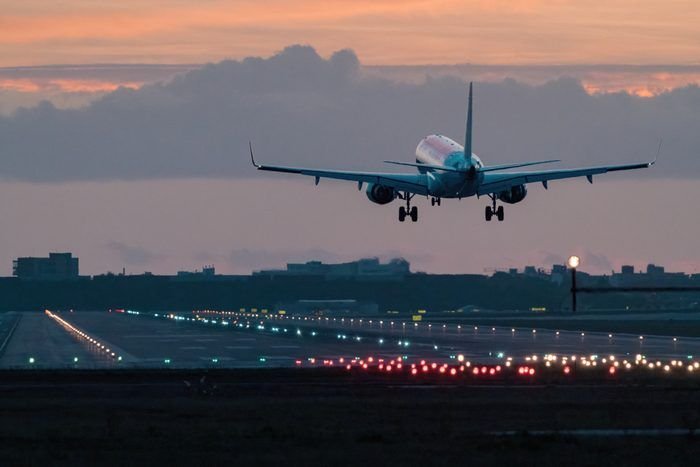
Domestic air travel in India continues to grow rapidly in 2025, driven by increased connectivity, rising middle-class income, and an appetite for quick, efficient transportation. As competition tightens and the demand for affordable travel grows, budget airlines have stepped up their game by offering better service, improved punctuality, and more routes than ever before. For travelers who prioritize value without compromising on safety and reliability, India’s low-cost carriers deliver solid options. Here’s a detailed review of the best budget airlines currently dominating the domestic skies in India, based on key criteria such as pricing, punctuality, onboard experience, customer service, and route network.
1. IndiGo: Leading the Pack
IndiGo continues to lead the domestic aviation market in 2025. With over 60% market share, IndiGo remains the go-to choice for both frequent and first-time flyers. It runs one of the largest and most efficient fleets in the country, operating more than 1,800 flights daily across 80+ domestic destinations.
Why it stands out:
- IndiGo maintains high on-time performance records across metros and tier-2 cities.
- The airline operates a clean, minimalist cabin experience, with polite staff and speedy boarding procedures.
- While meals cost extra, the airline offers a pre-booking option with decent quality.
- Mobile check-in, automated bag drop, and their seamless app interface make travel smoother.
Who should fly IndiGo: Business travelers, students, and families looking for consistent punctuality and a wide route network.
2. Akasa Air: The Disruptor
Akasa Air entered the scene just a few years ago but has already carved a niche with its youthful brand, environment-friendly fleet, and customer-first approach. In 2025, Akasa expanded its network aggressively, covering major tier-1 and tier-2 cities like Mumbai, Bengaluru, Lucknow, Kochi, and Patna.
What works for Akasa:
- Akasa runs one of the youngest fleets, including fuel-efficient Boeing 737 MAX aircraft.
- The airline focuses heavily on passenger comfort, offering more legroom than other budget carriers.
- In-flight service includes a well-curated buy-on-board menu with fresh food options.
- Cabin crew maintains a friendly, modern, and professional presence.
Who should fly Akasa: Leisure travelers, eco-conscious flyers, and anyone seeking a modern, clean flying experience without breaking the bank.
3. SpiceJet: Great Deals, Mixed Service
SpiceJet continues to attract price-sensitive travelers through flash sales and festival discounts. While the airline faced operational issues in the past, it has bounced back in 2025 with better aircraft utilization, more streamlined routes, and improved on-ground processes.
Strengths of SpiceJet:
- SpiceJet offers some of the lowest fares on competitive routes like Delhi-Jaipur, Mumbai-Goa, and Kolkata-Bhubaneswar.
- The airline provides bundled fare options including priority check-in, extra baggage, and seat selection.
- It continues to run both standard and Q400 turboprop aircraft, allowing it to access smaller regional airports.
Drawbacks:
- Customer support remains inconsistent.
- Flight delays occur more often on budget-heavy routes.
Who should fly SpiceJet: Backpackers and budget travelers who can be flexible with timing but want maximum savings.
4. Air India Express (Now Under Tata Group): A Rebranded Budget Option
Since the Tata Group restructured Air India and Air India Express, the latter has emerged as a strong budget player. It now offers a hybrid model, blending low-cost pricing with added-value services.
Why it performs well:
- Air India Express connects metro cities with underserved regions like Port Blair, Leh, and Kannur.
- Complimentary snacks and water are included in the base fare, something few budget airlines offer.
- Cabin interiors have seen a facelift, with newer uniforms, better lighting, and improved maintenance.
Who should fly Air India Express: Travelers looking for budget fares with traditional hospitality, especially on long regional routes.
5. Go First (Previously GoAir): Slow Recovery, Focused Routes
Go First has restructured its operations after recent financial troubles. While its fleet and network remain limited in comparison to others, it focuses on delivering reliable service across major metro routes.
Pros:
- The airline maintains a decent record for on-time performance, especially from hubs like Delhi and Mumbai.
- It runs modern Airbus A320 Neo aircraft with a comfortable cabin environment.
- Frequent flash sales attract budget travelers.
Cons:
- Route network remains narrow, with fewer flights per day.
- Customer service response times need improvement.
Who should fly Go First: Occasional travelers who can grab a deal and fly on popular city routes.
Key Parameters Compared
| Airline | Punctuality | Fleet Age | In-Flight Service | App & Check-In Experience | Overall Value |
|---|---|---|---|---|---|
| IndiGo | Excellent | Modern | Basic, consistent | Seamless | ★★★★★ |
| Akasa Air | Very Good | Very Modern | Modern, well-priced | Smooth | ★★★★☆ |
| SpiceJet | Average | Mixed | Decent, basic | Moderate | ★★★☆☆ |
| Air India Express | Good | Modernized | Complimentary snacks | Good | ★★★★☆ |
| Go First | Good | Average | Limited options | Basic | ★★★☆☆ |
Booking Experience and Extras
Most budget airlines have improved their mobile apps and websites, making bookings, cancellations, and rescheduling easier. IndiGo and Akasa lead the way with clean user interfaces and clear fare structures. SpiceJet and Go First offer tempting discounts but often include confusing fare bundles with hidden costs like baggage charges or seat selection.
Passengers should review add-on costs such as:
- Extra baggage (beyond 15 kg)
- Preferred seating
- Meals and snacks
- Web check-in for middle seat avoidance
Akasa and IndiGo offer better clarity in this area, helping travelers avoid surprises at the airport.
Final Thoughts
In 2025, India’s budget airline space continues to evolve rapidly. IndiGo dominates with consistency and expansive coverage. Akasa Air pushes innovation and eco-conscious travel, while Air India Express blends budget pricing with a dash of legacy service. SpiceJet and Go First hold their ground by targeting price-conscious travelers with flash deals and key route offerings.
Travelers in 2025 enjoy more choices, better service, and a more competitive pricing landscape than ever before. The key lies in identifying personal priorities—whether it’s punctuality, cabin comfort, pricing, or onboard service—and choosing the airline that delivers best on those parameters.
For frequent domestic flyers, enrolling in airline reward programs, booking in advance, and traveling light remain the smartest strategies to maximize savings and comfort in India’s booming budget aviation sector.