
10 High-Protein Breakfasts That Keep You Full Longer
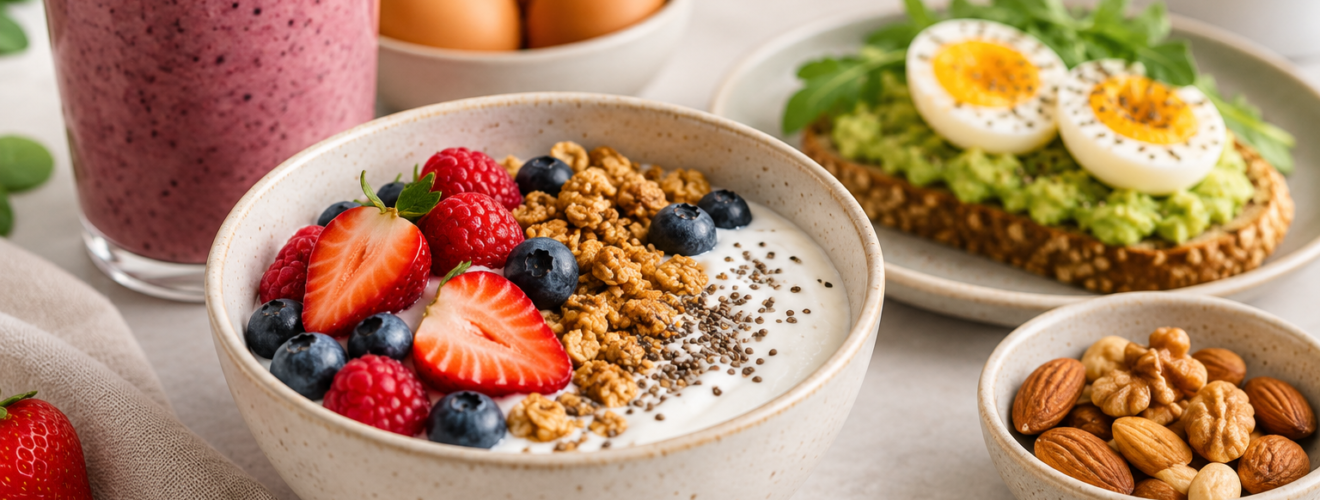
Breakfast can set the tone for hunger through the rest of the morning. A meal with enough protein can help create a stronger sense of fullness than a breakfast that relies mainly on refined carbs or added sugar. Current dietitian guidance from Cleveland Clinic suggests a practical target of about 20 to 30 grams of protein at breakfast. Protein works even better when a meal also contains fiber and healthy fats.
Recent research adds more support to this idea. A 2025 study compared a breakfast with 30 grams of plant protein, a breakfast with 30 grams of animal protein, and a breakfast with 10 grams of protein plus a high amount of carbohydrate. Eighteen healthy adults took part in the trial. Both 30-gram protein meals produced higher levels of the fullness-related hormones GLP-1 and PYY than the low-protein meal. The protein meals also produced lower hunger levels.
The study also found no major difference between the plant and animal protein meals. That result matters for people who prefer different types of food. A solid breakfast with eggs and salmon can work well, but a plant-based protein meal can also support fullness.
A good breakfast does not need a complicated recipe. The main goal is to combine a strong protein source with foods that add fiber, healthy fats, vitamins, minerals and volume. The following 10 choices can help create a more satisfying first meal of the day.
1. Greek Yogurt With Berries, Chia Seeds and Nuts
Greek yogurt offers an easy route to a protein-rich breakfast. About one cup of Greek yogurt can provide roughly 25 grams of protein, although the exact amount can vary by brand. A smaller serving of about three-quarters of a cup can also work well when nuts or seeds join the meal.
Berries add natural sweetness, water and fiber without a large amount of added sugar. Chia seeds add fiber and healthy fats, while almonds or pistachios add more protein and fat. This combination creates a breakfast with several nutrients rather than a meal that relies on one food.
A bowl with Greek yogurt, berries, chia seeds and a small portion of nuts can reach the useful 20 to 30 gram protein range. The mix also gives the stomach more than a quick source of carbohydrate, which can help the meal feel more satisfying.
2. Egg and Vegetable Scramble With Whole-Grain Toast
Eggs remain one of the simplest breakfast protein sources. One large egg provides about 6 grams of protein, so two eggs provide about 12 grams. A lean protein source such as turkey or chicken sausage can raise the total toward 25 to 30 grams.
Vegetables can add spinach, mushrooms, tomatoes, peppers or onions to the scramble. These foods add volume and fiber while keeping the meal fresh and varied. A slice of whole-grain toast can provide extra fiber and carbohydrate for steady fuel.
This breakfast works well when a savory meal feels more satisfying than a sweet one. Two eggs alone may not reach the 20 to 30 gram target, so a second protein source can make the meal more complete.
3. Cottage Cheese With Berries and Nuts
Cottage cheese offers another simple way to reach a high protein intake at breakfast. One cup can provide about 25 grams of protein, although the exact figure varies by product.
Berries can add fiber and natural sweetness, while almonds, walnuts or pistachios can add texture and healthy fats. The result can work as a quick meal when there is little time for cooking.
Cottage cheese also pairs well with savory foods. Tomato, cucumber, black pepper and whole-grain toast can turn the same base into a savory breakfast. This flexibility makes cottage cheese useful for people who want more protein without relying on eggs every morning.
4. Protein Oatmeal With Peanut Butter
Traditional oatmeal can contain a modest amount of protein, but a few simple additions can raise the total. Rolled oats can provide fiber, while Greek yogurt or protein powder can add a larger protein boost. Peanut butter can add protein and healthy fats.
A half-cup portion of rolled oats paired with Greek yogurt, milk, chia seeds and natural peanut butter can create a balanced breakfast. One current nutrition guide gives a blueberry protein overnight oat recipe with half a cup of oats, half a cup of nonfat milk, one cup of Greek yogurt, half a banana, one tablespoon of peanut butter and one teaspoon of chia seeds. That combination provides about 40 grams of protein.
The higher protein total can suit people with larger protein needs. For a more moderate meal, less yogurt or a smaller protein portion can bring the total closer to 20 to 30 grams.
5. Tofu and Vegetable Scramble
Tofu offers a useful plant-based option for a high-protein breakfast. Cleveland Clinic lists a serving of soft tofu at about 20 grams of protein.
A tofu scramble can combine tofu with spinach, mushrooms, peppers, onions and tomatoes. Whole-grain toast or a small serving of beans can add more fiber and protein.
This meal also fits the latest research on plant protein. The 2025 breakfast study gave participants a plant-based meal with 30 grams of protein. That meal produced greater GLP-1 and PYY responses than the low-protein, high-carbohydrate breakfast. The plant and animal protein meals produced similar appetite results.
That finding suggests that a plant-based breakfast does not need to rely on eggs or dairy to support fullness.
6. Smoked Salmon and Avocado Whole-Grain Toast
Smoked salmon can turn a basic piece of toast into a protein-rich breakfast. About 3 ounces of salmon can provide roughly 17 grams of protein, while two ounces provide about 10 grams. Whole-grain bread can add another few grams.
Avocado adds healthy fats and fiber. The combination of salmon, avocado and whole-grain toast creates a meal with protein, fat and carbohydrate rather than a breakfast based on one macronutrient.
A serving of smoked salmon with whole-grain toast and a side of Greek yogurt can push the meal above 30 grams of protein. A smaller amount of salmon can work for a lighter breakfast.
7. Greek Yogurt Overnight Oats
Overnight oats can offer a useful make-ahead option for busy mornings. A basic version can combine half a cup of rolled oats with Greek yogurt and milk. Chia seeds or ground flaxseed can add fiber, while natural nut butter can raise the protein and healthy fat content.
Greek yogurt can provide about 25 grams of protein per cup. A tablespoon of peanut butter adds about 3.5 grams, while half a cup of oats adds about 5 grams. A combination of one cup of Greek yogurt, one tablespoon of peanut butter and half a cup of oats can therefore reach about 33.5 grams before other ingredients enter the bowl.
Berries, cinnamon and a small amount of banana can add flavor without the need for much added sugar. The oats and seeds also add fiber, which complements the protein.
8. Black Bean and Egg Breakfast Burrito
A breakfast burrito can deliver protein and fiber in the same meal. Two eggs provide about 12 grams of protein. Half a cup of black beans adds more protein along with fiber. A whole-grain tortilla can provide additional protein and fiber.
Vegetables such as peppers, onions and spinach can add more volume. Salsa can provide flavor with very few calories.
This combination can reach the 20 to 30 gram protein range, especially when the tortilla or another protein source adds a few more grams. The beans also make the meal more substantial than eggs alone.
A burrito can also work well for meal preparation. Several portions can sit in the refrigerator for quick breakfasts across the week.
9. Protein Breakfast Smoothie
A smoothie can make a 20 to 30 gram protein breakfast easy to assemble. Cleveland Clinic suggests a protein powder or one cup of Greek yogurt as the main protein source. Milk or a milk alternative can provide additional protein, while fruit or vegetables can add fiber and micronutrients.
A simple version can contain one scoop of whey protein, one cup of milk, one tablespoon of peanut butter, berries and leafy greens. Plant-based protein powder can replace whey for a vegan option. A Greek yogurt base can also work for people who prefer whole foods.
A 2026 nutrition guide gives a tropical protein shake with one scoop of vanilla whey protein, half a cup of plain nonfat Greek yogurt, almond butter, fruit, spinach and coconut water. The recipe provides about 35 grams of protein.
Smoothies can feel lighter than a solid meal, so the addition of Greek yogurt, oats, chia seeds or nut butter can make the drink more substantial.
10. Protein Pancakes With Cottage Cheese and Greek Yogurt
Regular pancakes can contain far less protein than a breakfast built around eggs, yogurt or cottage cheese. A protein pancake recipe can change that balance.
Cottage cheese and Greek yogurt can form the protein base of the batter. Eggs can add more protein and help create the right texture. Oats can replace part of the refined flour and add fiber.
Cleveland Clinic lists cottage cheese pancakes among its high-protein breakfast choices and notes that cottage cheese and Greek yogurt can help create a breakfast within the 20 to 30 gram protein range.
Fresh berries can add flavor and fiber on top. A small amount of nut butter can add healthy fat and extra protein. A heavy pour of syrup can add a large amount of added sugar, so fruit can offer a better everyday topping.
Why Protein Matters at Breakfast
Protein can help with fullness through several processes. It takes longer to digest than many refined carbohydrate foods and can affect hormones linked with appetite. The 2025 crossover study found that both 30-gram protein breakfasts produced greater GLP-1 and PYY responses than a breakfast with 10 grams of protein and a high amount of carbohydrate. Participants also reported less hunger after the protein meals.
The same study found no major difference between the plant and animal protein meals. That result gives more room for personal food preferences. Tofu, beans and plant protein powder can all fit a high-protein breakfast pattern, just as eggs, yogurt, cottage cheese and salmon can.
Current Cleveland Clinic guidance suggests about 20 to 30 grams of protein at breakfast for many adults, although personal needs can vary with age, body size, activity level and other factors.
The Best Breakfast Has More Than Protein
Protein deserves attention, but a strong breakfast should not depend on protein alone. Fiber can come from oats, berries, beans, vegetables, whole grains, chia seeds and flaxseed. Healthy fats can come from nuts, seeds, avocado, peanut butter and other nut butters.
This combination can create a more balanced meal with a wider range of nutrients. A breakfast with 30 grams of protein and little fiber may not offer the same overall nutrition as a meal with protein, whole grains, fruit or vegetables and a modest amount of healthy fat.
The goal does not require a perfect recipe. Greek yogurt with berries and nuts can work. Eggs with vegetables and whole-grain toast can work. Tofu with vegetables can work. A protein smoothie can work on a busy morning.
How Much Protein Makes Sense?
The current practical range sits around 20 to 30 grams for breakfast. Cleveland Clinic recommends that range, while a 2026 dietitian guide from Prevention notes that research often points toward about 30 grams as a useful target for fullness.
Some breakfasts can naturally go above that range. For example, one protein overnight oat recipe provides about 40 grams, while one tropical protein shake provides about 35 grams. A higher number does not automatically make a meal better. Total daily protein needs matter more than a single meal in isolation.
For many people, the easiest approach involves two or three protein foods in one breakfast. Greek yogurt plus nuts, eggs plus cottage cheese, or beans plus eggs can reach the target without the need for an oversized serving of one food.
A Fuller Start to the Day
A high-protein breakfast can offer more than a way to increase daily protein intake. Research shows that a breakfast with about 30 grams of protein can support stronger fullness signals than a low-protein, high-carbohydrate meal. Both plant and animal protein can produce this effect.
The strongest choices also pair protein with fiber and healthy fats. Greek yogurt with berries and chia seeds, eggs with vegetables and whole-grain toast, tofu with vegetables, or black beans with eggs can all create a balanced meal.
The key number to remember is simple: about 20 to 30 grams of protein at breakfast works as a practical target for many adults. From there, the choice can depend on taste, budget, dietary preference and available time. A satisfying breakfast does not need to feel restrictive or complicated. It needs a strong protein source, useful fiber and enough variety to make the meal worth returning to.
Also Read – Premium Ice Cream Brands to Explore in 2026