
Footwear Brands for Daily Wear Review
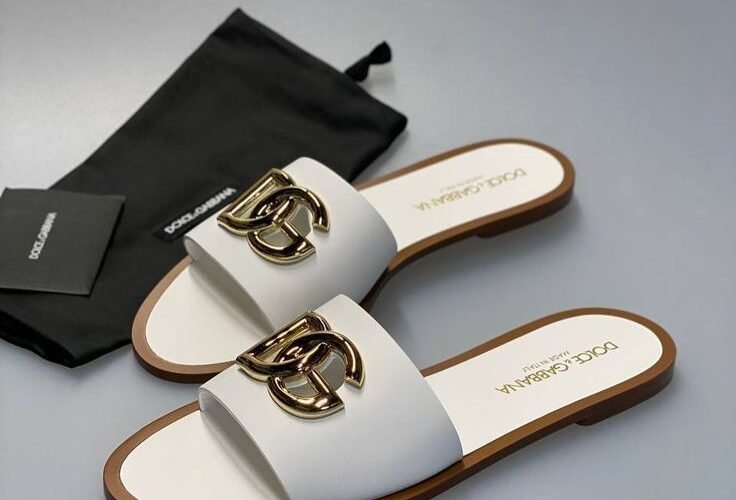
Footwear plays a crucial role in everyday life. Whether you are commuting, standing at work, running errands, or traveling, the shoes you wear daily influence comfort, posture, long-term joint health, and even productivity. As lifestyles become more active and hybrid—blending work, leisure, and fitness—the demand for versatile daily-wear footwear has never been higher.
By 2026, the global footwear industry has evolved into a comfort-first, innovation-driven market. Brands are competing not only on aesthetics but also on cushioning technology, biomechanics, sustainability, and durability. This article reviews the most reliable footwear brands for daily wear, explains what makes a shoe suitable for everyday use, and highlights the latest consumer and industry trends shaping buying decisions.
Understanding Daily-Wear Footwear
Daily-wear footwear refers to shoes designed for prolonged use—often 8 to 12 hours a day—across varied surfaces and activities. Unlike performance-specific shoes, daily-wear footwear must balance comfort, durability, and versatility.
Key requirements include:
- Consistent cushioning and shock absorption
- Adequate arch and heel support
- Breathable and flexible materials
- Lightweight construction
- Neutral styling suitable for multiple settings
Modern consumers increasingly expect one pair of shoes to handle walking, commuting, light exercise, and casual social use without discomfort.
Market Overview and Consumer Trends (2024–2026)
The footwear market continues to grow steadily, with athletic-inspired daily shoes driving most of the momentum. Sneakers and hybrid trainers dominate global sales, reflecting a shift away from rigid formal footwear toward comfort-oriented designs.
Several major trends define the current landscape:
- Athleisure dominance: Sneakers are now worn in offices, travel, and social settings.
- Comfort technology arms race: Brands are investing heavily in proprietary foam, stability systems, and ergonomic footbeds.
- Sustainability awareness: Consumers increasingly factor environmental impact into purchasing decisions.
- Health-first mindset: Foot pain, posture issues, and long working hours have increased demand for podiatrist-approved designs.
- Premiumization: Buyers are willing to pay more for comfort, durability, and long-term value.
Core Features That Matter in Daily Footwear
Before examining brands, it’s important to understand the features that separate good daily shoes from average ones.
Cushioning and Midsole Technology
Modern foam compounds are lighter, softer, and more resilient than earlier generations. Good cushioning reduces fatigue and protects joints from repetitive impact.
Support and Stability
Daily wear often involves uneven movement patterns. Stability features—such as guide rails, structured heel counters, and arch reinforcement—help prevent overpronation and foot strain.
Fit and Width Options
Brands offering multiple width options stand out, especially for people with wide feet, bunions, or orthotic needs.
Upper Materials
Breathable mesh, knit textiles, and premium leathers enhance comfort while preventing heat buildup during long wear.
Outsole Durability
High-quality rubber compounds improve traction and significantly extend shoe lifespan, particularly on concrete surfaces.
Top Footwear Brands for Daily Wear
Athletic-Inspired Everyday Sneakers
These brands lead the market due to their blend of performance science and casual aesthetics.
Nike
Nike remains a dominant force in daily footwear by continuously refining cushioning systems and lightweight designs. Its everyday models emphasize energy return, flexibility, and contemporary styling. Recent product cycles focus heavily on recovery footwear and foam-first comfort designs, which are increasingly worn as all-day shoes.
Adidas
Adidas has strengthened its daily-wear lineup by balancing performance cushioning with lifestyle appeal. Its midsole technologies are known for long-term resilience, making Adidas shoes suitable for extended walking and standing. Neutral designs allow easy transition between casual and semi-formal settings.
New Balance
New Balance is widely respected for fit precision and structural support. Offering multiple width options, the brand appeals strongly to people who prioritize comfort over trend-driven fashion. Many of its models are commonly recommended for long workdays and daily commuting.
ASICS
ASICS integrates biomechanical research into footwear design, resulting in highly stable and cushioned daily trainers. Its shoes are popular among individuals who walk extensively or experience foot fatigue.
Brooks
Brooks focuses on stability and motion control, making it a trusted choice for daily wearers who require consistent support. Its designs favor function over flash, appealing to professionals and health-conscious users.
HOKA
HOKA has become synonymous with maximum cushioning. Originally designed for runners, its shoes are now widely used as all-day comfort footwear. Thick midsoles reduce impact stress, making them ideal for people who stand or walk for long hours.
Comfort-Oriented and Orthopedic-Friendly Brands
For individuals dealing with foot pain, plantar fasciitis, or joint discomfort, comfort-first brands offer specialized designs.
Skechers
Skechers excels in affordability and lightweight comfort. Its memory foam footbeds and slip-on designs make it a popular choice for casual daily use, particularly among older consumers and service workers.
Clarks
Clarks blends traditional craftsmanship with modern comfort technology. Known for everyday leather shoes and office-friendly styles, Clarks remains a dependable option for professional daily wear.
ECCO
ECCO specializes in premium leather footwear with anatomically shaped footbeds. Its shoes appeal to consumers seeking durability and understated style with strong ergonomic support.
Birkenstock
Birkenstock’s contoured cork footbeds promote natural alignment, making the brand a long-standing favorite for daily comfort, particularly in warm climates and casual settings.
Budget-Friendly Daily Wear Options
Not all daily footwear needs to be expensive. Several brands offer solid comfort and durability at accessible prices.
Bata
Bata is widely recognized for producing reliable, affordable daily footwear across global markets. Its focus on durability and simplicity makes it popular for everyday use.
Vans
Vans offers durable casual sneakers that suit light daily wear. While not heavily cushioned, their sturdy construction and timeless designs appeal to younger consumers.
Converse
Converse shoes are style-driven rather than comfort-focused but remain popular for short-duration daily use due to their versatility and iconic appearance.
Sustainable and Eco-Conscious Brands
Environmental responsibility is now a key differentiator in footwear.
Allbirds
Allbirds pioneered the use of natural fibers and low-carbon materials in everyday footwear. Its shoes prioritize softness, breathability, and minimalist style.
Veja
Veja focuses on ethical sourcing and transparency. Its sneakers appeal to consumers who want sustainable products without sacrificing modern design.
Rothy’s
Rothy’s uses recycled plastics to create washable knit shoes, offering both sustainability and convenience for daily wear.
How to Choose the Right Daily-Wear Shoe
- Assess your daily routine: Walking-heavy days require more cushioning and support.
- Prioritize fit: Comfort depends more on fit than brand prestige.
- Check midsole resilience: Shoes that compress too easily lose comfort quickly.
- Consider rotation: Owning two pairs extends lifespan and improves foot health.
- Replace when worn: Daily shoes typically last 8–12 months with regular use.
Price Expectations and Value
- Entry-level daily shoes: affordable, basic comfort
- Mid-range options: best balance of durability and support
- Premium footwear: advanced materials, superior cushioning, longer lifespan
Spending slightly more often results in better long-term comfort and reduced replacement frequency.
Future Outlook (2026 and Beyond)
The future of daily footwear will emphasize:
- Adaptive cushioning systems
- Modular insoles and customization
- Increased use of recycled and bio-based materials
- Shoes designed for hybrid work and travel lifestyles
Brands that combine comfort science, sustainability, and clean design will continue to lead the market.
Conclusion
Choosing the right footwear for daily wear is an investment in comfort, health, and productivity. With the market offering more options than ever, consumers can now find shoes that match their lifestyle, budget, and values without compromise.
Whether you prefer the innovation-driven approach of Nike and Adidas, the orthopedic reliability of Brooks and HOKA, the affordability of Skechers and Bata, or the sustainability focus of Allbirds and Veja, the best daily shoe is one that fits your foot, supports your movement, and feels comfortable from morning to night.