
Top Mobile Brands in the World: 2025 Guide
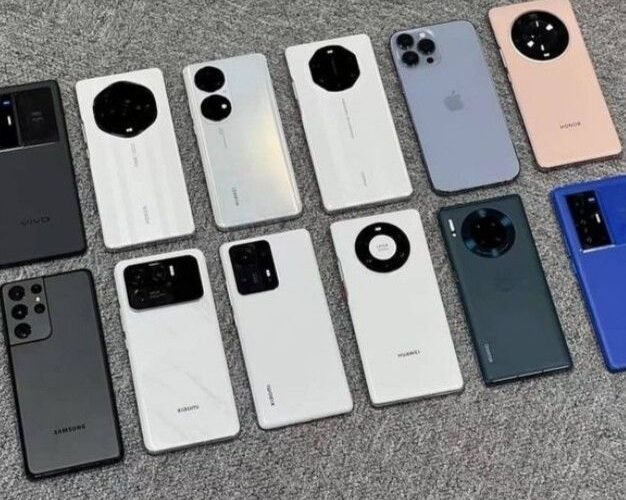
Smartphones define modern life. From capturing memories to managing finances and connecting across continents, these small slabs of glass and metal have become extensions of who we are. The year 2025 brings a fresh wave of innovation, competition, and strategy in the mobile industry.
Hundreds of brands crowd the market — from the global giants like Apple, Samsung, and Xiaomi to niche specialists such as Nothing, Fairphone, and Cat. Some brands dominate the premium tier, others focus on affordable innovation, while a few carve their identity through design, sustainability, or ruggedness.
Let’s dive into the fascinating world of the top mobile brands in 2025, explore their stories, understand their strengths, and see where the industry is headed.
The Smartphone Landscape in 2025
The global smartphone market feels like a battlefield in 2025. Giants fight to maintain their dominance while newer players claw their way up with bold designs, AI-powered software, and unbeatable pricing.
Consumers have grown more demanding. They don’t just want speed; they want intelligence. They expect better cameras, smarter interfaces, longer battery life, and seamless integration with their digital lifestyles.
At the top of the food chain, Apple, Samsung, and Xiaomi continue to lead. Just below them, vivo, OPPO, Realme, and Motorola strengthen their grip, especially in Asian markets. Meanwhile, legacy names like Nokia, Sony, and HTC fight for relevance, and newcomers like Nothing shake the status quo with fresh ideas.
Let’s break the market down into tiers and explore each brand’s unique story.
Tier 1: The Global Powerhouses
1. Apple – The Master of Ecosystem Magic
Apple sits on the throne of innovation. In 2025, it remains the world’s most influential smartphone brand. Every iPhone release shapes industry trends — from camera technology to privacy standards.
Apple doesn’t compete with dozens of models. Instead, it focuses on a few meticulously crafted devices, each one polished to near perfection. Its strategy thrives on the strength of its ecosystem — the seamless connection between iPhones, MacBooks, iPads, and Apple Watches.
In 2025, Apple doubles down on AI integration, sustainability, and health features. The latest iPhone generation offers smarter photography powered by real-time scene recognition and energy-efficient processors that make the devices last longer than ever.
What keeps Apple at the top is not just its hardware. It’s the experience — the way everything “just works.” People don’t buy iPhones only for specs; they buy them for prestige, reliability, and that sense of belonging to something bigger.
Apple charges premium prices, yet millions line up every year to get the newest model. That loyalty comes from trust, consistency, and relentless refinement.
2. Samsung – The Giant of Innovation
If Apple represents elegance and control, Samsung stands for power and variety. The South Korean giant rules the global Android market. With over 1,400 models launched historically, Samsung’s influence touches every corner of the planet.
In 2025, Samsung pushes boundaries once again. It dominates the foldable smartphone segment, perfecting flexible screens that once seemed like science fiction. The Galaxy Z series now feels mainstream, while the S-series continues to set performance standards for Android enthusiasts.
What makes Samsung special is its reach. It caters to everyone — from students buying affordable Galaxy A-series phones to professionals seeking ultra-premium flagship devices. This inclusivity builds loyalty across generations.
Samsung also invests heavily in AI features. Its Galaxy AI assistant helps with translation, photography, and productivity tasks directly on the device. Sustainability has become part of its DNA too, with recycled materials and energy-efficient production methods across its product line.
Samsung’s mix of creativity, scale, and technical expertise keeps it firmly among the elite.
3. Xiaomi – The King of Value
Few companies shook the industry like Xiaomi did. What began as a small startup in China transformed into a global force challenging the biggest names in record time.
In 2025, Xiaomi’s formula remains unbeatable: flagship features at mid-range prices. The brand’s success lies in giving consumers cutting-edge specs without breaking the bank. Whether it’s lightning-fast charging, high-refresh displays, or 200-megapixel cameras, Xiaomi delivers it all at jaw-dropping prices.
Xiaomi doesn’t stop at phones. Its ecosystem spans smart TVs, wearables, home devices, and electric vehicles, forming a tech lifestyle around the consumer. This holistic approach locks users into its world, just like Apple’s ecosystem but at a fraction of the cost.
What drives Xiaomi’s popularity is its sense of community. Fans call themselves the “Mi family,” and the brand constantly listens to feedback. This connection fuels innovation and keeps the brand grounded in real-world needs.
In 2025, Xiaomi also leads in the budget 5G segment, empowering millions in developing countries to access next-gen connectivity. It’s not just selling devices — it’s democratizing technology.
Tier 2: The Rising Champions
4. vivo – The Camera Visionary
vivo understands one thing better than almost anyone: people love great photos. It has built its reputation on camera innovation, especially in selfie performance and low-light photography.
In 2025, vivo continues to focus on AI-driven imaging. Its partnership with professional lens makers gives its phones DSLR-like clarity. The brand also invests in futuristic concepts like gimbal stabilization and portrait optimization, ensuring every shot looks cinematic.
But vivo doesn’t just care about cameras. Its phones balance style, battery life, and performance beautifully. Its market strategy, especially in India and Southeast Asia, revolves around offering high-end quality at attainable prices.
vivo’s design philosophy — sleek, youthful, and confident — attracts a younger audience who want style without compromise. With consistent updates and reliable hardware, vivo remains one of the fastest-growing names in the mid-range space.
5. OPPO – The Designer’s Dream
OPPO shines with creativity. Every phone feels like a statement piece. From color-changing backs to lightning-fast charging, OPPO has turned functionality into art.
In 2025, OPPO’s flagship Find X series dazzles with AI-enhanced cameras and ultra-fast 240W charging. The brand’s attention to detail and design flair make its devices stand out in a sea of lookalikes.
Unlike many competitors, OPPO never hesitates to experiment. It invests heavily in research labs, patents, and material sciences, always hunting for that next “wow” moment.
Its ColorOS interface delivers smooth performance with customization that Android fans adore. For users who value aesthetics and innovation equally, OPPO stands as a bridge between practicality and luxury.
6. Realme – The Young Rebel
Realme may be young, but it’s fearless. It burst onto the scene as a sub-brand of OPPO, yet quickly carved its own identity. Realme speaks directly to the youth — energetic, ambitious, and tech-savvy.
The brand thrives on aggressive pricing and bold specs. Every Realme launch brings something unexpected: powerful processors, blazing-fast charging, large displays, and futuristic designs.
In 2025, Realme dominates the budget gaming and mid-range 5G categories. Its devices cater to users who want performance without spending a fortune. Realme’s commitment to innovation keeps established players on their toes.
The brand’s slogan — “Dare to Leap” — perfectly sums up its spirit. It dares to challenge conventions and continuously delivers more than what price tags suggest.
7. Motorola – The Comeback Kid
Motorola’s story is one of resilience. Once a pioneer of mobile communication, it lost its way in the smartphone era — only to rise again stronger.
Now under Lenovo’s wing, Motorola combines its legendary reliability with modern design and near-stock Android software. Consumers appreciate its clean interface, sturdy build, and fair pricing.
In 2025, Motorola wins hearts with its Razr foldable lineup. It brings nostalgia together with modern innovation. Its mid-range G-series and Edge models balance practicality with performance, earning respect in multiple markets.
Motorola doesn’t chase flashy gimmicks. It focuses on user experience, battery efficiency, and clean software — qualities that quietly build loyalty.
Tier 3: The Legacy and Niche Players
8. Huawei – The Survivor
Huawei’s story reads like a thriller. Once a global leader, it faced severe challenges due to trade restrictions and loss of access to Google services. But the company refused to fade away.
In 2025, Huawei re-emerges stronger with its HarmonyOS ecosystem. Its in-house chips, advanced AI processing, and superior camera systems keep it relevant, especially in China and Europe.
Huawei continues to innovate in mobile photography and 5G technology. Its hardware remains world-class, and its loyal fan base keeps the flame alive. The brand proves that adaptability can turn setbacks into new beginnings.
9. OnePlus – The Flagship Challenger
OnePlus started as the rebel that offered “flagship killers.” Today, it plays in the same premium league it once challenged.
Its phones combine sleek design, fast performance, and OxygenOS — one of the most loved Android skins. In 2025, OnePlus strikes a balance between power and price through its flagship and Nord series.
OnePlus also embraces AI features and long-term software support, giving users a premium feel without unnecessary clutter. The brand keeps the enthusiast community close, which adds a sense of identity and belonging.
10. Google – The Software Perfectionist
Google doesn’t flood the market with phones, but when it launches a Pixel, the industry pays attention.
Each Pixel phone showcases what Android can truly do. Google’s strength lies in its software mastery. The 2025 Pixel lineup integrates powerful AI directly into the camera and assistant features. The results? Stunning photos, efficient battery usage, and intelligent personal assistance.
Google focuses on quality, not quantity. It may not sell millions like Samsung or Xiaomi, but it influences how every other Android brand designs and develops its phones.
For users who value a pure, secure, and smart experience, Google remains the ultimate choice.
11. Sony – The Artist’s Choice
Sony refuses to follow the crowd. It builds phones for creators and professionals who demand precision.
In 2025, Sony’s Xperia series continues to deliver unmatched displays and cinematic camera systems. Each device feels handcrafted for photography enthusiasts and media creators.
Sony’s strategy focuses on quality over quantity. It serves a niche audience that understands the difference between specs and craftsmanship. That’s why Sony still commands deep respect, even without dominating market share.
12. Nokia – The Symbol of Endurance
Nokia represents legacy and resilience. Once the king of mobile phones, it reinvented itself through HMD Global.
In 2025, Nokia smartphones target reliability, software security, and long-lasting design. They may not headline major tech shows, but they appeal to users who value simplicity and trust.
The brand also makes strides in feature phones and enterprise devices. Nokia’s comeback story reminds everyone that reputation, once earned, never fully fades.
Tier 4: Regional Heroes and Hidden Gems
Beyond the global stars, a diverse group of brands thrives across different markets. These companies may not dominate headlines, but they define accessibility and innovation for millions of users.
- Infinix and Tecno dominate Africa and parts of Asia by offering affordable smartphones with large displays and strong batteries.
- Lava, Micromax, and itel cater to India’s mass market, focusing on value, local manufacturing, and service accessibility.
- Nothing shakes up the industry with its transparent designs and unique user experience. It blends aesthetics with technology in ways others rarely attempt.
- Ulefone, Doogee, and Blackview specialize in rugged phones for adventurers, outdoor workers, and extreme conditions.
- Fairphone builds for sustainability, producing ethically sourced and repairable smartphones that appeal to eco-conscious users.
These brands may never outsell Apple or Samsung, but they enrich the smartphone ecosystem with diversity and specialization.
Industry Trends Shaping 2025
The mobile industry never stands still. Let’s look at the key trends defining 2025:
1. AI Becomes the New Interface
Artificial intelligence now lives at the core of every major smartphone. It improves photography, voice assistance, translation, and performance optimization. AI no longer feels like a gimmick — it’s a necessity.
2. Foldables Go Mainstream
What started as an experiment now drives serious competition. Samsung, Motorola, and even Chinese brands make foldables accessible, durable, and stylish. The line between phone and tablet continues to blur.
3. Sustainability Takes Center Stage
Consumers care about where their phones come from. Brands embrace recycled materials, longer support lifecycles, and repair-friendly designs. Fairphone leads the movement, but even giants like Apple and Samsung join the effort.
4. 5G for Everyone
5G connectivity spreads faster than ever, and mid-range devices fully support it. This shift opens digital opportunities for billions, powering gaming, streaming, and work on the go.
5. The Rise of Software Ecosystems
Every major brand now builds an ecosystem. Apple perfects integration, Samsung offers SmartThings, Xiaomi expands IoT connectivity, and Google unites devices through AI. The smartphone no longer stands alone — it’s the gateway to an entire digital universe.
Choosing the Right Brand in 2025
With so many options, choosing a smartphone feels overwhelming. The right choice depends on your priorities:
- For ultimate performance and prestige: Go for Apple or Samsung.
- For innovation without overspending: Xiaomi, OnePlus, or vivo deliver top value.
- For reliable mid-range performance: Realme and Motorola excel.
- For creativity and design flair: OPPO or Sony fit the bill.
- For sustainability or adventure: Fairphone, Ulefone, or Blackview stand out.
The best brand isn’t always the biggest one. It’s the one that matches your lifestyle.
The Future of Mobile: 2026 and Beyond
As we look beyond 2025, smartphones will evolve from communication tools into intelligent companions. AI will predict needs before users ask. Foldables may give way to rollables. Charging could become truly wireless.
Yet one thing remains constant — the human desire for connection. Every brand, big or small, competes to serve that need in its own way.
Apple may continue leading the premium world. Samsung will push technology further. Xiaomi, vivo, and Realme will bring power to the people. And countless smaller names will make sure innovation never slows down.
The smartphone race never ends — it only changes form. Each year, new players rise, others fall, and technology marches forward.
Conclusion
The mobile world in 2025 reflects both diversity and progress. Apple defines aspiration. Samsung defines innovation. Xiaomi defines accessibility. Together, they drive an industry that touches every human on Earth.
Behind them stand dozens of ambitious brands — each one contributing ideas, features, and designs that push boundaries. Whether you chase performance, beauty, sustainability, or affordability, there’s a smartphone brand built for you.
The top mobile brands of 2025 remind us that technology isn’t just about circuits and screens — it’s about people, creativity, and endless possibilities.
The future fits in your pocket, and it’s brighter than ever.
Also Read – Best Gaming Laptops of the Year: Ultimate Guide for Gamers