
UPI Credit Card Review: Benefits, Fees and Risks in 2026
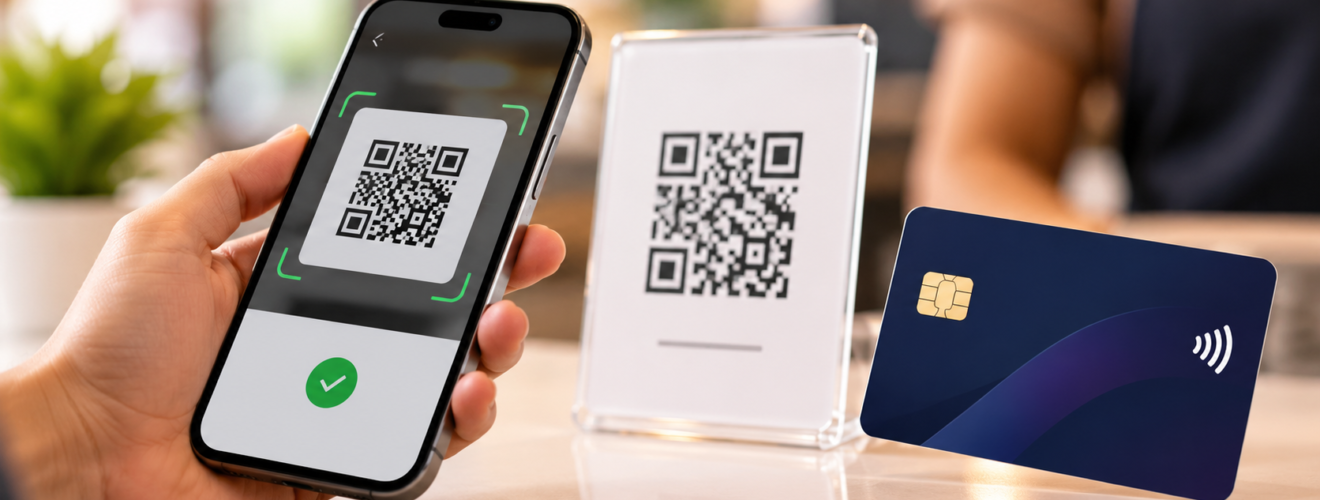
UPI has changed the way people pay for daily needs in India. From grocery shops to restaurants, a simple QR code scan can complete a payment in seconds. Credit cards also offer useful benefits, such as cashback, reward points, and a short period to repay the money. A UPI credit card brings these two payment methods together.
In my view, this is a useful option for people who prefer digital payments and want more value from their daily expenses. However, not every credit card offers the same benefits, and not every UPI payment earns rewards. You also need to know the fees, payment rules, and possible risks before you choose a card.
In this detailed review, I will explain how UPI credit cards work, their main benefits, their limits, and the key updates for October 2026 in simple English.
What Is a UPI Credit Card?
A UPI credit card lets you use an eligible credit card through a supported UPI app. In India, the standard credit card facility on UPI works with eligible RuPay credit cards. You can link the card to a supported app and use it to pay at eligible merchants who accept UPI payments.
The main difference is the source of money. With a normal UPI payment, the amount comes from your linked bank account. With a UPI credit card payment, the amount comes from your credit card limit. You must repay this amount to your card issuer as part of your credit card bill.
For example, suppose you buy groceries worth ₹1,000. If you pay through your bank account, the money leaves your account at once. If you pay through a linked RuPay credit card, the amount is added to your credit card bill. You can repay it by the due date under the terms of your card.
I find this feature useful because it offers more payment choice without the need to carry a physical card. Still, it is important to remember that credit is borrowed money, not extra income.
How Does a UPI Credit Card Work?
The process is simple. First, you open a supported UPI app, such as BHIM, PhonePe, Google Pay, or Paytm, and look for the option to add a credit card. You then select your bank and verify your eligible RuPay card.
After the card is linked, you can scan an eligible merchant’s QR code. The app may show your bank account and credit card as payment options. You select the credit card, check the amount, and enter your UPI PIN to approve the payment.
The exact steps can differ from one app to another. Your bank must support the feature, and your card must meet the issuer’s rules. You cannot assume that every RuPay credit card will work with every UPI app.
One important point is that your credit card bill still applies. If you do not pay the full amount by the due date, interest and other charges may apply under your card’s terms.
Latest UPI Credit Card Updates in October 2026
As of 19 October 2026, RuPay remains the main card network for the standard credit card facility on UPI. Eligible cards from participating banks can work with supported apps, but the exact options depend on the issuer and app.
Visa and Mastercard credit cards generally do not work through this standard RuPay-on-UPI facility. Therefore, if your main goal is to pay at local shops through a UPI QR code with a credit card, you should check for an eligible RuPay card.
Another important update concerns merchant discount rates, also known as MDR. Reports from October 2026 state that a new MDR framework for certain UPI merchant transactions above ₹2,000 was due to start on 15 October. However, its rollout was postponed until after Diwali, according to a Reuters report dated 13 October 2026.
This is a merchant-side policy matter. It does not mean that every customer must pay an extra fee for each UPI credit card transaction. The final effect depends on the rules that apply when the framework takes effect.
There is also a Pay by Points on UPI feature for eligible RuPay cardholders through supported services. It may allow users to use eligible reward points at merchant checkout. However, this is separate from the rewards a card may offer on a new purchase. You should check the issuer’s rules before you rely on this benefit.
Main Benefits of UPI Credit Cards
One of the biggest benefits is ease of use. Many small shops accept UPI QR payments, and you do not need to carry your physical credit card for an eligible purchase. You can pay through your phone and keep a record of the transaction.
The second benefit is the chance to earn cashback or reward points. Some cards offer rewards on eligible UPI purchases, but the rate depends on the card. Certain purchases may not qualify, and some cards set monthly or annual reward limits.
Another advantage is the short credit period. When you pay through a credit card, you may have time until the bill due date to repay the amount without interest, as long as you meet the issuer’s terms and pay the full amount on time.
I also like the fact that this method can help people keep their expenses in one place. The UPI app provides payment details, while the card statement shows the amount charged to the credit account. This can make it easier to review expenses at the end of the month.
However, these benefits only have real value if you choose the right card and manage your credit well.
Drawbacks You Should Know
The main drawback is that not every UPI payment earns rewards. A bank may exclude certain merchant types or set limits on the cashback you can receive. A card with a high advertised reward rate may offer much less value on your actual UPI purchases.
Another problem is overspending. When the money does not leave your bank account at once, it may feel easier to spend more than you planned. This can lead to a large credit card bill that is difficult to repay.
Annual fees are another factor. Some cards charge a joining fee or yearly fee. If the rewards you earn are lower than these costs, the card may not be worth it.
You must also follow the payment rules. Standard RuPay credit cards on UPI are meant for eligible merchant payments, not person-to-person transfers. You cannot use this facility to send money to friends or family, and merchant cash withdrawals are not permitted through this service. Certain other categories, such as mutual funds and IPO payments, may also be restricted.
Fees, Interest, and Payment Limits
Before you apply for a UPI credit card, read the fee details carefully. Linking a card to UPI does not automatically mean that every transaction has a separate fee. However, you should check your bank’s terms and any charges that may apply to your card.
Interest is a more serious concern. If you fail to pay the full statement balance by the due date, the issuer may charge interest and other fees. These costs can easily cancel out the value of your cashback or reward points.
Transaction limits also matter. The amount you can pay may depend on your credit limit, the bank’s security rules, the UPI app, and any separate limit for UPI credit card payments. Your total credit limit may not be available for every UPI transaction.
My advice is simple: never choose a card based only on the promise of cashback. Check the full terms, understand the payment limits, and make sure you can repay your bill on time.
Best UPI Credit Cards to Consider
The Tata Neu Infinity HDFC Bank RuPay credit card is worth a look if you already use Tata Neu services. Its reward system may suit people who can use the benefits within that system. However, you should verify the current UPI reward rate, redemption rules, annual fee, and fee-waiver conditions.
The Axis Bank SuperMoney RuPay credit card is another option to research for daily QR payments. Before you choose it, check its current cashback rate, monthly reward cap, eligible merchant categories, and any special conditions.
The SBI SimplyCLICK RuPay credit card may suit people who also spend on eligible online purchases. However, do not assume that the reward rate for online shopping also applies to UPI QR payments.
These cards are examples for comparison, not a confirmed list of the three best cards for everyone. Bank terms can change, and benefits may differ by card variant. Always read the latest details on the official issuer website before you apply.
How to Calculate the Value of Your Rewards
Suppose you spend ₹10,000 per month through UPI and your effective reward rate is 1%. If all your purchases qualify, your rewards could total ₹100 per month, or ₹1,200 per year.
Now suppose your card has an annual fee of ₹500. After that fee, your estimated annual reward value would be ₹700. This is only an example. The real value may be lower if some purchases do not qualify or your bank sets a reward cap.
If only 90% of your spending qualifies, your eligible annual spending would be ₹1,08,000. At a 1% reward rate, you would earn ₹1,080 before the annual fee. After a ₹500 fee, the amount would be ₹580, before other costs.
This is why I recommend that you calculate the value based on your own expenses. A card with a lower reward rate but no annual fee may offer better value than a card with a higher rate and a large fee.
Is a UPI Credit Card Safe?
A UPI credit card can be a practical payment method if you use it with care. Always check the merchant name and payment amount before you approve a transaction. Never share your UPI PIN or OTP with anyone, even if the person claims to be a bank employee.
Use only official payment apps and keep your phone protected with a screen lock. If you notice a payment you did not make, contact your bank or card issuer through its official customer support channel as soon as possible.
You should also review your credit card statement regularly. This helps you spot incorrect charges and keep track of your total expenses.
My Final Verdict
In my opinion, a UPI credit card is a useful choice for people who already use UPI for everyday purchases and want the added benefits of a credit card. It can make payments more convenient and may offer cashback or reward points on eligible spending.
However, the real value depends on the card’s rules, its annual fee, and the rewards you can actually earn. The October 2026 merchant-fee update is also worth watching, although a merchant-side MDR change should not be confused with a direct fee on every customer payment.
I would recommend a UPI credit card to someone who has regular eligible expenses, understands the card’s terms, and pays the full bill on time. If you often carry unpaid credit card debt or struggle to control your spending, a normal bank-account UPI payment may be the safer choice.
Before you make a decision, check the latest information from NPCI, the Reserve Bank of India, and your card issuer. A little research can help you choose a card that fits your needs rather than one that simply looks attractive in an advertisement.
Also Read – How to Review Your Subscriptions and Cut Unnecessary Costs