
Best Everyday Shoes for Winter Weather
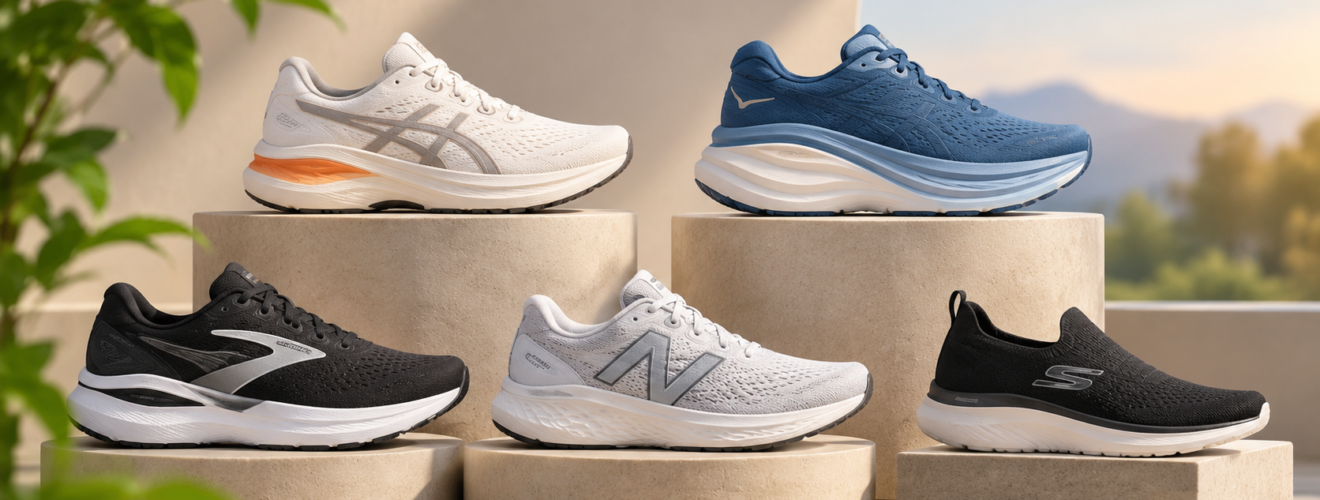
Winter can make a normal day harder for your feet. Cold air, wet roads, rain, snow, slush, and ice can all cause trouble. A normal pair of sneakers may feel fine on a dry day, but they may not give enough warmth, grip, or water protection once the weather gets bad.
The best everyday winter shoes should feel good for long hours and also protect your feet from the cold. They should have a good sole, enough space for your toes, and a strong outer layer that can handle wet ground. The right choice also depends on your local winter. A person who deals with light rain needs a very different shoe from someone who faces deep snow or hard ice.
What Makes a Good Winter Shoe?
A good winter shoe needs four main features: warmth, water protection, comfort, and grip. These four features work together. Warm lining helps keep body heat inside. Water protection helps keep snow and slush out. A soft midsole helps your feet stay comfortable. A strong rubber sole helps you stay steady on wet or icy ground.
There is no single shoe that suits every winter condition. A light winter sneaker can work well for city travel and dry cold days. A short boot can be better for rain and slush. A tall snow boot is a better choice for deep snow. So, think about the weather you face most often before you buy.
Choose Shoes With Good Warmth
Cold feet can make even a short trip feel unpleasant. Winter shoes should have some form of insulation if your area has low temperatures. Common choices include synthetic insulation, fleece, wool, and other warm liners.
For moderate cold, around 200g of insulation can offer a useful balance of warmth and comfort. For much colder conditions, 400g or more can provide extra heat. Still, more insulation does not always mean a better everyday shoe. A very warm boot can feel too hot inside a home, office, or car.
Wool can feel soft and warm, while synthetic materials often dry faster after contact with water. A removable liner can also be useful because you can take it out and let it dry with ease.
Look for Water Protection
Wet socks can ruin a winter day. Snow can melt, rain can soak the upper, and puddles can enter through weak spots. For this reason, water protection is one of the most important features of a winter shoe.
There is a difference between water-resistant and waterproof shoes. Water-resistant shoes can handle some moisture for a limited time. Waterproof shoes offer a much higher level of protection when used as the maker intends. A waterproof membrane can block water while still let some moisture from inside escape.
Check more than just the main upper. The tongue, seams, zipper, collar, and sole area can all let water enter. A gusseted tongue can help block water and snow from the front of the shoe. A taller collar can also help when snow or slush is deeper.
Pay Close Attention to the Sole
Grip may be the most important part of a winter shoe. Wet roads can be slick, while packed snow and ice can make each step less safe. A smooth sole is a poor choice for winter use.
Look for a rubber sole with clear tread. Deep, wide grooves can help the sole push through snow and mud. Multi-directional patterns can also give better grip when you move across uneven ground. For snow, a lug depth of about 3.5 mm or more can be useful, while deeper lugs can help on softer ground.
Ice is harder to handle. Some winter soles use softer rubber that stays more flexible in very cold weather. Special ice-grip rubber can also offer better traction than a hard rubber sole. Still, no normal shoe can remove all fall risk on clear ice. If you face frequent ice, a suitable traction aid may offer extra safety.
Winter Sneakers for Daily Use
Winter sneakers can be a great choice for people who want a light and simple shoe. They look close to normal sneakers but may have a water-resistant or waterproof upper, a warm liner, and a stronger sole.
They work best in mild to moderate winter weather. They can suit daily travel, casual clothes, city walks, and short outdoor trips. They also feel easier to wear indoors than a heavy snow boot.
A waterproof winter sneaker with a rubber sole can be a smart choice if your area has rain, cold wind, wet roads, and only a little snow. Some models also use a thicker sole to add a small barrier between your foot and the cold ground.
Short Winter Boots for More Protection
Short boots offer more coverage than winter sneakers without the weight of a tall snow boot. They can be a strong choice for daily winter use, especially when rain and slush are common.
A good short boot should have a water-resistant or waterproof outer layer, warm lining, and a sole with strong tread. Leather, rubber, nylon, and synthetic materials can all work well when the shoe has a suitable design and proper care. Rubber offers strong water protection, while leather and synthetic uppers can offer a good mix of comfort and durability.
Short boots are also easy to pair with jeans, trousers, and casual winter clothes. This makes them useful for people who want one pair for many parts of the day.
Get the Right Fit
A winter shoe should not feel tight. Your feet may need thicker socks, and your toes need enough room to move. If the shoe presses against your toes, your feet may feel colder and less comfortable.
At the same time, avoid a shoe that feels too loose. A loose heel can make each step less stable. The best fit has a secure heel, enough toe room, and space for the socks you plan to wear. Try shoes with your usual winter socks before you make a final choice.
Do not buy a much larger size only to gain extra width. A wider shoe or a foot-shaped toe box can offer a better fit without extra space at the heel.
Pick Shoes Based on Your Winter
For mild winter weather, a water-resistant sneaker with a warm lining may be enough. It can give you comfort without the bulk of a boot.
For cold rain and slush, choose a waterproof shoe or short boot with a sealed upper and a strong rubber sole. This setup can protect your feet while still feel easy to wear each day.
For regular snow, choose a shoe with deeper tread, better insulation, and a higher collar. If snow reaches above the ankle, a taller boot may be a better option.
For hard ice, focus first on traction. A winter sole with soft rubber and an ice-focused tread can help, but extra traction gear may be wise if ice is a regular part of your route.
Take Care of Your Winter Shoes
Good care can help winter shoes last longer. Salt, dirt, mud, and moisture can damage some materials over time. Clean the outside after use, especially if the shoe has salt marks.
Let wet shoes dry at room temperature. Avoid direct heat from a heater or strong heat source, as this can harm leather, glue, and other materials. If the shoe has a removable liner, take it out so both parts can dry well.
Waterproof treatment may also help some leather or fabric shoes. Use a product made for the exact material, since the wrong treatment can change its look or feel.
Final Thoughts
The best everyday shoes for winter weather do not need to be huge, heavy, or hard to wear. The right pair should match the conditions you face most often. Start with four basics: warmth, water protection, comfort, and grip.
For mild cold, a winter sneaker may be enough. For rain and slush, a short waterproof boot can offer more protection. For snow and ice, choose stronger insulation, a higher collar, and a sole made for cold surfaces.
Most of all, choose a shoe that feels good on your feet. A winter shoe can have great features on paper, but if the fit is poor or the sole feels unstable, it will not be a good everyday choice. The best pair is the one that keeps your feet dry, warm, comfortable, and steady through the winter season.
Also Read – What Is the Best Walking Shoe for Everyday Comfort?