
Google Pixel 11 and 11 Pro XL Review: Full Details
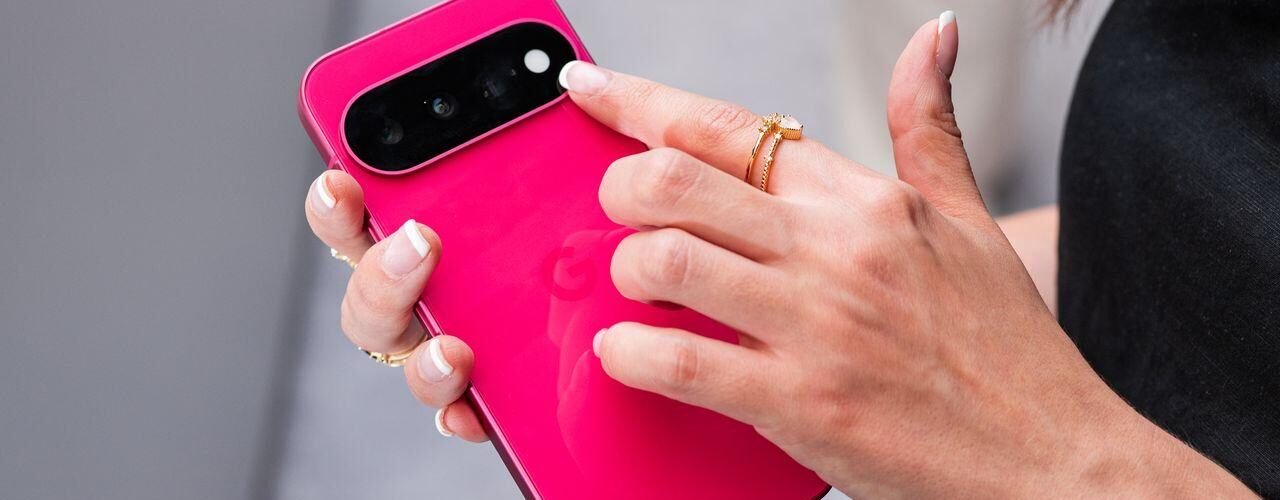
Google has launched its new Pixel 11 series with a clear focus on artificial intelligence, cameras and a smarter Android experience. The two phones covered here are the Pixel 11 and the top-end Pixel 11 Pro XL. Both run Android 17 and use Google’s new Tensor G6 chip.
The Pixel 11 starts at ₹89,999 in India, while the Pixel 11 Pro XL starts at ₹1,34,999. Both models went on sale in August 2026. Google also promises seven years of OS, security and Pixel Drop updates.
The new phones do not bring a huge change in design. Instead, Google has made small hardware upgrades and placed much more focus on Gemini, voice tools, photo features and other AI functions. Recent reviews agree that the Pixel 11 is a strong phone, but its upgrade over the Pixel 10 is quite small. The Pro XL has more meaningful camera and display upgrades, but its price remains high.
Pixel 11 and Pixel 11 Pro XL: Key Specs
| Feature | Pixel 11 | Pixel 11 Pro XL |
|---|---|---|
| India price | ₹89,999 | ₹1,34,999 |
| Display | 6.3-inch OLED | 6.8-inch LTPO OLED |
| Resolution | 1080 × 2424 | 1344 × 2992 |
| Refresh rate | 60–120Hz | 1–120Hz |
| Peak brightness | 3,000 nits | 3,600 nits |
| Processor | Tensor G6 | Tensor G6 |
| RAM | 12GB | 12GB / 16GB |
| Storage | 256GB / 512GB | 256GB / 512GB / 1TB |
| Main camera | 48MP | 50MP |
| Ultrawide | 13MP | 48MP |
| Telephoto | 10.8MP, 5x | 48MP, 5x |
| Front camera | 10.5MP | 42MP |
| Maximum zoom | 30x | 120x |
| Battery | 4,985mAh | 5,115mAh |
| Wired charging | 30W | 45W |
| Wireless charging | 25W Qi2.2 | 25W Qi2.2 |
| Weight | 197g | 226g |
| Software | Android 17 | Android 17 |
| Water resistance | IP68 | IP68 |
The basic Pixel 11 has a 6.3-inch OLED screen with a 1080 × 2424 resolution and a refresh rate of up to 120Hz. The Pro XL has a much larger 6.8-inch LTPO OLED panel with a 1344 × 2992 resolution and a variable 1–120Hz refresh rate. Its peak brightness can reach 3,600 nits.
Design Looks Familiar
The Pixel 11 series keeps Google’s familiar camera bar design. However, the camera bar is now about 40% thinner. With Google’s case, the phone can sit almost flat on a table without the usual camera bump wobble.
The Pixel 11 comes in Frost, Pistachio, Hibiscus and Obsidian. The Pro XL comes in Canyon, Olive, Fog and matte Obsidian. The Pro XL weighs 226 grams, while the Pixel 11 weighs 197 grams.
The smaller Pixel 11 is easier to hold and carry. The Pro XL feels more like a large flagship phone. It has a premium glass build and IP68 protection against dust and water.
The Pro XL Has the Better Display
The screen is one of the biggest differences between the two phones. The Pixel 11 has a good 6.3-inch OLED panel, but the Pro XL takes things much further.
Its 6.8-inch LTPO OLED screen can drop to 1Hz and rise to 120Hz. This helps smooth motion while also saving power when a high refresh rate is not needed. The screen also reaches up to 3,600 nits of peak brightness.
Google has also added a new anti-scratch coating to the Pro models. The company says it offers more than twice the scratch resistance of the previous generation.
For movies, games, photos and outdoor use, the Pro XL is clearly ahead.
Camera Quality Remains a Major Strength
Google has always made cameras one of the biggest reasons to buy a Pixel phone. That remains true with the Pixel 11 series.
The Pixel 11 has a 48MP main camera, a 13MP ultrawide camera and a 10.8MP telephoto camera with 5x optical zoom. Its new main sensor has 56% more light sensitivity than before, according to Google. The phone can also reach 30x Super Zoom.
The Pro XL has a much stronger camera setup. It has a 50MP main camera, a 48MP ultrawide camera and a 48MP 5x telephoto camera. The front camera has 42MP resolution and autofocus.
The Pro XL can also reach 120x digital zoom. This is not the same as having a true optical 120x lens, but Google’s AI processing can still produce useful results at very high zoom levels.
Recent testing has placed the Pro XL among the better camera phones of 2026. DXOMARK gave its camera system a score of 168, which put it fifth in its global ranking at the time of testing.
Video Gets More Attention
The Pro XL also has a stronger video system. It supports 8K video with Video Boost, along with advanced video tools.
Google has added Magic Capture, which can take photos and short clips from a moment without forcing you to stare at the phone screen. The idea is simple. You can hold the phone up while you focus on what is happening around you.
Creator Suite also adds tools such as a built-in teleprompter. These features make the Pro models more useful for people who create videos for social media.
Tensor G6 Is Not the Fastest Chip
The new Tensor G6 chip gives both phones better AI performance, but it still does not lead the market in raw speed.
In Geekbench 6 testing, the Pixel 11 reached 2,664 points in single-core and 7,347 in multi-core. The Galaxy S26 scored 3,531 and 10,778, while the iPhone 17 scored 3,701 and 9,460.
This means the Pixel 11 is fast enough for normal daily use, but it is not the best choice for serious mobile gaming.
Google has chosen to focus on AI rather than raw benchmark power. The Tensor G6 has 50% more TPU compute, while Google says some on-device AI tasks can run up to 3.5 times faster with up to 3.5 times less energy.
AI Is the Real Star
The biggest change in the Pixel 11 series is not the body or screen. It is the software.
Gemini is now more deeply connected with the phone. Google’s new Proactive Assistance can offer useful information based on what you are doing. For example, it can suggest calendar actions after a conversation about plans.
Another excellent feature is Rambler. It is an AI voice typing system inside Gboard. It can remove filler words, understand corrections and add punctuation. It can even follow voice commands for text format. WIRED called Rambler one of the best features Google has added to the Pixel line in years.
HiLight Is Interesting, But Not Essential
The Pro XL has a new feature called HiLight. Small LEDs around the rear camera can show certain notifications without the need to turn on the main screen.
The lights can react when Gemini is active, and users can assign colors to contacts. It is a clever idea, but reviews have found it less useful than Google’s main AI features. WIRED also noted that the limited number of available colors reduces its value.
Battery Life Is Good, Not Outstanding
The Pixel 11 has a 4,985mAh battery, while the Pro XL has a 5,115mAh battery. Google rates both for more than 30 hours of battery life.
The Pixel 11 supports up to 30W wired charging and 25W wireless charging. The Pro XL supports up to 45W wired charging and 25W Qi2.2 wireless charging. Google says the Pro XL can reach 75% in about 30 minutes with a compatible 45W USB-C PPS charger.
The battery is good enough for normal daily use, but charging speed is still behind several competing flagship phones. Beebom also praised the Pro XL’s battery reliability while criticizing its slow charging speed.
Seven Years of Software Support
Long-term support remains one of Google’s strongest points. The Pixel 11 series gets seven years of OS updates, security updates and Pixel Drops.
Both phones also arrive with Android 17. This gives buyers a clean Android experience without the heavy software changes seen on some other brands.
Should You Buy the Pixel 11?
The Pixel 11 is the easier phone to recommend for most people. It has 12GB RAM, 256GB of base storage, a good camera system, a compact body and all the major new AI features.
The problem is its ₹89,999 price. Recent reviews point out that much of the hardware is very close to the Pixel 10. Tom’s Guide found the upgrade too small for the higher price, while The Verge called the Pixel 11 the smarter choice for average buyers who want the new Pixel experience.
If you already have a Pixel 10, the upgrade is hard to justify. If you have an older Pixel or another older Android phone, the Pixel 11 makes much more sense.
Should You Buy the Pixel 11 Pro XL?
The Pixel 11 Pro XL is the better phone, but it is also much more expensive.
At ₹1,34,999, you get the larger and brighter display, stronger cameras, 120x zoom, 8K video, better cooling, faster charging and extra Pro features.
It is a strong choice for someone who cares about photography, video, a large screen and Google’s AI tools. Reviews from WIRED and Beebom praise the cameras, display and software, while both also point out its weak gaming performance and slow charging.
For a Pixel 10 Pro XL owner, however, the upgrade is much harder to justify.
Final Verdict
The Pixel 11 series shows Google’s current idea of a smartphone. It is less about raw speed and more about useful software, excellent cameras and AI that can help with everyday tasks.
The Pixel 11 is the better value of the two. It offers most of the Pixel experience at ₹89,999 and has a smaller, lighter body.
The Pixel 11 Pro XL is the better overall phone. Its display and camera system are clearly stronger, and its extra video and AI features make it a more complete flagship.
Still, neither phone feels like a huge jump from the previous generation. The Pixel 11 is best for people with an older phone, while the Pro XL is best for buyers who want Google’s most complete phone and are ready to pay for it.
Overall, the Pixel 11 gets an 8.5/10, while the Pixel 11 Pro XL gets a 9/10.
Also Read – Gaming Laptops Worth Buying in 2026: Best Picks for Every Budget