
Vitamin D: The Most Ignored Nutrient Your Body Needs Daily
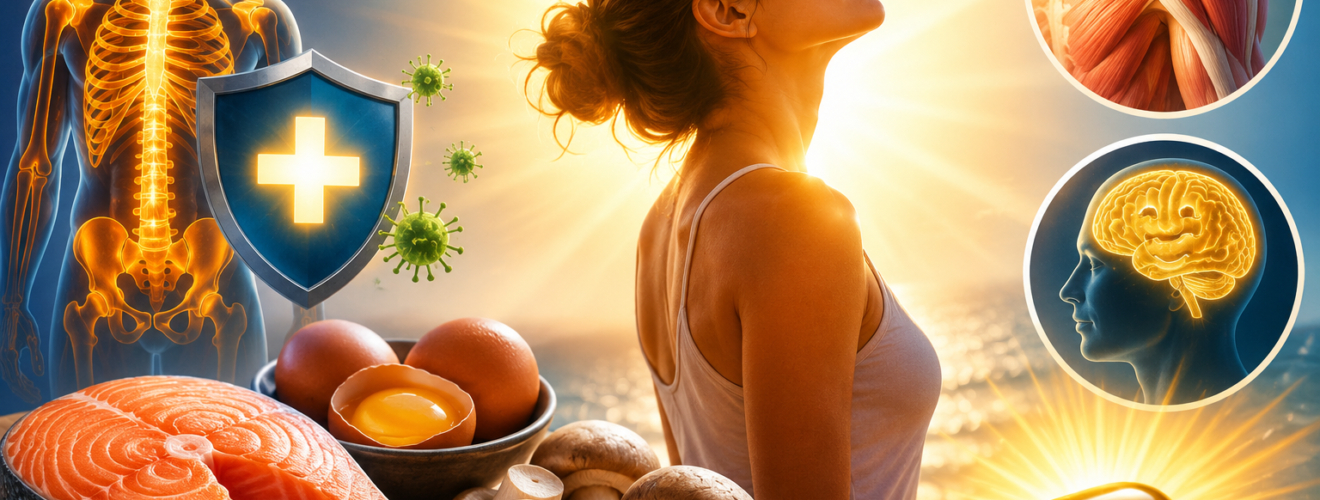
Most people focus on protein, calcium, iron, and vitamins like B12 or C when they think about health. But one nutrient often stays ignored even though the human body needs it every single day. That nutrient is vitamin D. Many people do not realize how important it is because the effects of low vitamin D do not show up immediately. The damage usually happens slowly over months or even years. This makes vitamin D one of the most neglected requirements of the human body.
Vitamin D is often called the sunshine vitamin because the body can make it after exposure to sunlight. Unlike many other vitamins, it works almost like a hormone and helps control several important functions inside the body. From bone strength to immunity and mental health, vitamin D supports the body in many different ways.
Vitamin D Keeps Bones Strong
One of the most important jobs of vitamin D is to help the body absorb calcium and phosphorus. These two minerals help build strong bones and teeth. Even if a person consumes enough calcium every day, the body cannot use it properly without enough vitamin D.
When vitamin D levels stay low for a long time, bones slowly become weak. In children, severe deficiency can lead to rickets, a condition where bones become soft and weak. In adults, low vitamin D may increase the risk of osteoporosis, which causes loss of bone strength and raises the chances of fractures.
Many people think calcium alone protects the bones. The truth is calcium needs vitamin D to do its job properly.
It Supports the Immune System
The immune system protects the body from viruses, bacteria, and diseases. Vitamin D plays a major role in this process. It helps control how the immune system reacts and supports the body during infections.
Research shows that people with healthy vitamin D levels often have better immune function. Low vitamin D levels may lead to weaker defense against respiratory infections and higher inflammation inside the body.
During the COVID-19 pandemic, many researchers studied vitamin D because of its connection with immune health. While vitamin D is not a cure for illness, healthy levels may support stronger overall immunity and better body response.
Vitamin D Helps Muscles Work Properly
Vitamin D also supports muscle health. Many people feel muscle weakness without knowing low vitamin D may be the reason. This vitamin works through special receptors found inside muscle tissue and helps muscles perform properly.
Low levels may cause weakness, poor strength, and slower recovery after exercise. In older adults, weak muscles may increase the risk of falls and injuries. Even athletes often check vitamin D levels because good muscle function depends on it.
A person may spend hours at the gym and eat healthy food, but poor vitamin D levels may still affect physical performance.
It Affects Brain Health and Mood
Vitamin D also has an important connection with the brain and mental health. Scientists found that low vitamin D levels often appear in people who feel tired, mentally drained, or low in mood.
People who stay indoors most of the day often complain about constant fatigue. Sometimes poor vitamin D levels play a role in this problem. Some studies also connect low vitamin D with seasonal affective disorder, a type of depression that becomes stronger during months with less sunlight.
While vitamin D alone cannot solve mental health problems, it clearly supports healthy brain function and emotional balance.
It Helps Control Important Hormones
Hormones control many body functions, and vitamin D helps regulate several of them. Studies show that vitamin D may support testosterone balance in men and improve insulin sensitivity inside the body.
It also has an indirect relationship with thyroid function and reproductive health. Scientists have studied low vitamin D levels in people with type 2 diabetes and metabolic disorders, and many of these studies show an important connection.
The body depends on proper hormone balance for long-term health, and vitamin D quietly supports this process every day.
Vitamin D May Support Heart Health
Many people do not know that vitamin D also has a link with heart health. Research suggests that low vitamin D levels may connect with higher blood pressure and increased inflammation in the body.
Inflammation often creates stress inside blood vessels and may raise the risk of cardiovascular disease over time. Some studies also connect vitamin D deficiency with hypertension, which means high blood pressure.
Research in this area still continues, but scientists agree that vitamin D plays an important role in the systems that support heart function.
Why So Many People Have Low Vitamin D
Vitamin D deficiency has become very common across the world. Modern lifestyle is one of the biggest reasons. Most people spend long hours inside homes, offices, schools, or shopping centers and receive very little sunlight.
Sunscreen protects the skin from harmful rays, but it also reduces vitamin D production. People with darker skin often need more sunlight because melanin reduces vitamin D production in the skin.
Diet also becomes a problem because very few foods naturally contain enough vitamin D. Age is another factor because older adults produce less vitamin D from sunlight compared to younger people.
As a result, millions of people live with low vitamin D without even realizing it.
Natural Sources of Vitamin D
Sunlight remains the best natural source of vitamin D. Around ten to thirty minutes of sunlight exposure may help the body produce vitamin D, although this depends on skin tone, weather, and location.
Food sources are limited but still helpful. Fatty fish such as salmon contain good amounts of vitamin D. Egg yolk also provides small amounts. Mushrooms exposed to ultraviolet light can become another useful source. Fortified milk, breakfast cereals, and cod liver oil also help improve intake.
A healthy diet combined with sunlight usually works better than diet alone.
Signs of Vitamin D Deficiency
Vitamin D deficiency often stays hidden because symptoms develop slowly. Many people ignore the warning signs because they look similar to everyday tiredness.
Common signs may include constant fatigue, frequent illness, muscle weakness, bone pain, hair thinning, low mood, and slow recovery after exercise.
These symptoms do not always mean vitamin D deficiency, but they can signal that the body needs attention.
How To Check Vitamin D Levels
The most accurate way to check vitamin D status is through a blood test called the 25-hydroxy vitamin D test, also known as 25(OH)D.
In general, levels below 20 nanograms per milliliter show deficiency. Levels between 20 and 30 show insufficiency. Levels between 30 and 50 usually fall within a healthy range, although exact numbers may vary between laboratories.
A blood test gives clear answers instead of guesswork.
Why Vitamin D Deserves More Attention
Vitamin D deficiency is dangerous because it often stays silent for years. Unlike hunger or thirst, the body does not give immediate warning signs. Weak bones, poor immunity, low energy, hormone imbalance, muscle weakness, and long-term health problems may slowly develop without notice.
Many people search for expensive health solutions while ignoring one of the simplest needs of the human body. Sometimes better health does not require complicated treatments. It simply starts with enough sunlight, proper nutrition, and healthy vitamin D levels.
Vitamin D may look like a small nutrient, but its impact on the body is enormous. That is why it deserves far more attention than it usually gets.
Also Read – How Governments Needed Farmers Then Targeted Their Land