
Dark Side of TV Shows: Secrets Behind the Screen
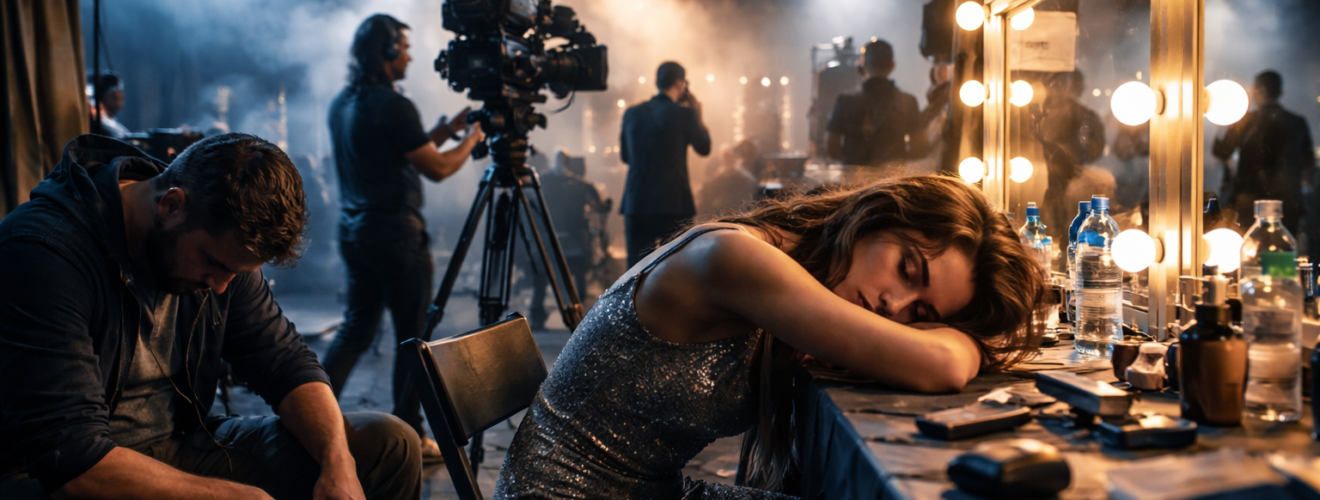
Television shows look polished, glamorous, and exciting. Viewers see flawless acting, dramatic scenes, and perfect lighting. Most people never think about the effort, sacrifice, and pressure that drive every frame. Behind the scenes, workers deal with exhaustion, uncertainty, and intense expectations every single day.
This industry runs on speed, competition, and constant output. Producers demand quick turnarounds. Networks push for ratings. Audiences expect perfection. These demands create an environment where workers often pay the real cost.
The Gap Between Glamour and Reality
TV promotes a dream. Fame, recognition, and creative expression attract thousands of hopeful actors and crew members. Many people enter the industry with passion and ambition.
Reality hits fast.
Most workers handle long hours, unpredictable schedules, and strict deadlines. A single episode may require days or weeks of continuous effort. Teams rush to meet broadcast schedules, often without enough time to rest or recover.
Many insiders describe the industry as relentless. Work rarely slows down. Breaks rarely last long enough.
Extreme Working Hours: The Industry Standard
Long working hours define the TV industry.
- Actors and crew often work 12 to 23 hours per day
- Some productions run 27 to 38 hours continuously
- Around 1 in 8 workers exceed 60 hours per week
These numbers reflect regular conditions, not rare exceptions.
Many shoots start early in the morning and stretch into late nights. Some continue through the night and into the next day. Workers often move from one shift directly into another.
Fatigue builds quickly. People struggle to maintain focus. Mistakes increase. Risks grow.
Global surveys highlight severe fatigue levels across film and TV workers. Many respondents describe their condition as dangerous and unsustainable.
Sleep Deprivation and Physical Breakdown
Sleep becomes a luxury on TV sets.
Actors and crew often survive on 2 to 3 hours of sleep per day during intense schedules. Many people nap in makeup rooms, cars, or quiet corners between takes.
Heavy costumes, bright lights, and repeated retakes increase physical strain. Long standing hours affect posture and joints. Lack of rest weakens the immune system.
Workers report:
- Constant headaches
- Muscle pain and fatigue
- Reduced concentration
- Slower reaction times
Some individuals fall asleep while driving home after shoots. That risk alone shows how extreme the situation becomes.
A Mental Health Crisis Few Acknowledge
The industry faces a serious mental health crisis.
- 87% of TV and film workers report mental health problems
- Workers show twice the anxiety levels compared to the general population
- Over 50% have experienced suicidal thoughts
These numbers reveal a system under pressure.
Several factors contribute to this crisis:
- Lack of control over schedules
- Constant performance pressure
- Fear of losing work
- Limited personal time
Freelancers face additional stress. They must secure the next project while managing current responsibilities. Financial uncertainty adds another layer of anxiety.
Many workers stay silent. They fear losing opportunities if they speak openly about their struggles.
Toxic Work Culture and Power Imbalance
Hierarchy shapes most TV productions. Directors, producers, and senior staff hold authority. Junior workers and newcomers often carry the burden.
Reports show:
- 84% of workers experience or witness bullying or harassment
Verbal abuse, public criticism, and humiliation occur frequently. High-pressure environments push leaders to demand results at any cost.
Junior artists and assistants often receive the harshest treatment. Many accept this behavior because they want to stay employed.
Accountability remains weak. Many productions lack structured HR systems. Workers hesitate to report issues due to fear of blacklisting.
Lack of Contracts and Financial Protection
Many TV workers operate without formal agreements.
- Workers often sign no contracts
- Productions frequently delay payments
- Overtime rarely receives compensation
This system creates instability.
Freelancers face the highest risk. They depend on short-term projects. Payment delays affect their ability to manage daily expenses. Many workers accept unfair terms because they need consistent work.
This imbalance gives production teams more control and leaves workers with fewer options.
Physical Risks and On-Set Injuries
TV sets involve real physical danger.
Research highlights:
- 75% of crew members report injuries on set
- 67% say work worsened existing injuries
- 62% have witnessed injuries during production
Heavy equipment, cables, lighting rigs, and complex setups create hazards. Workers often move quickly to meet deadlines, which increases risk.
Long hours also contribute to accidents. Fatigue reduces awareness and reaction time.
Despite these risks, safety enforcement varies widely. Some sets follow strict protocols. Others prioritize speed over safety.
Pressure to Perform at Any Cost
The phrase “the show must go on” drives the industry.
Actors often perform under extreme conditions:
- Illness
- Exhaustion
- Emotional stress
Production delays cost money. Teams push forward regardless of individual well-being.
Some actors work with high fever or injuries because stopping production affects schedules and budgets. Crew members continue working despite physical pain or mental fatigue.
This culture values output over health.
Reality TV: Manufactured Stress and Manipulation
Reality TV adds another layer of complexity.
Producers design environments to create drama. Contestants often face:
- Sleep deprivation
- Isolation from family
- Emotional pressure
Many participants report manipulation during filming. Producers influence situations to increase tension and conflict.
Mental health support often remains limited. Contestants deal with sudden fame, criticism, and emotional strain without adequate preparation.
Exploitation of New Talent
The industry attracts large numbers of aspiring artists every year. This supply creates intense competition.
Newcomers often accept:
- Low or no pay
- Long hours
- Unfair conditions
They hope for future opportunities.
Some reports highlight unethical practices in casting environments. Power imbalances create situations where newcomers feel pressured to comply with demands.
Financial instability remains common. Many actors struggle to sustain themselves despite regular work.
Gender Challenges and Harassment
Women face additional challenges in the TV industry.
They deal with:
- Strict appearance expectations
- Unequal treatment
- Risk of harassment
In some environments, inappropriate behavior goes unchecked. Women often hesitate to report issues due to fear of career consequences.
This imbalance highlights the need for stronger safeguards and accountability.
Financial Reality Behind Fame
Television creates the illusion of wealth. In reality, most workers do not earn consistently high incomes.
Many actors and crew members:
- Receive irregular payments
- Experience long gaps between projects
- Struggle with financial planning
Only a small percentage achieve financial stability. The majority navigate uncertainty throughout their careers.
Work-Life Balance: Almost Nonexistent
TV work disrupts personal life.
- 78% of workers struggle with work-life balance
Long shoots leave little time for family, relationships, or rest. Workers miss important events and milestones.
Irregular schedules make planning difficult. Personal life often takes a back seat to professional demands.
Over time, this imbalance affects relationships and overall well-being.
Silence and Normalization of Struggle
Despite widespread issues, the industry remains quiet.
Several factors maintain this silence:
- Fear of losing work
- High competition
- Lack of enforcement systems
- Acceptance of harsh conditions
Many workers believe that struggle defines success in the industry. This mindset prevents change.
Signs of Change and Industry Awareness
Conversations around working conditions have started gaining attention.
Some professionals advocate:
- Fixed working hours
- Overtime compensation
- Better food and rest facilities
Mental health awareness has also improved. Some production houses have introduced support systems.
However, change remains slow. Implementation varies across projects and regions.
Conclusion
Television entertains millions of people every day. It creates stories that inspire, comfort, and engage audiences worldwide. Behind that entertainment lies a demanding and often unforgiving system.
Workers face long hours, mental stress, financial instability, and physical risk. These challenges affect actors, crew members, and newcomers alike.
Awareness plays a crucial role in driving change. The industry must prioritize safety, fairness, and well-being. Sustainable practices will not reduce creativity. They will strengthen it.
Every show reflects the effort of countless individuals. Their work deserves respect, protection, and better conditions.
Also Read – Top 10 Earbuds to Explore in March 2026