Views Over Truth: Budget Vloggers and India’s Image Game
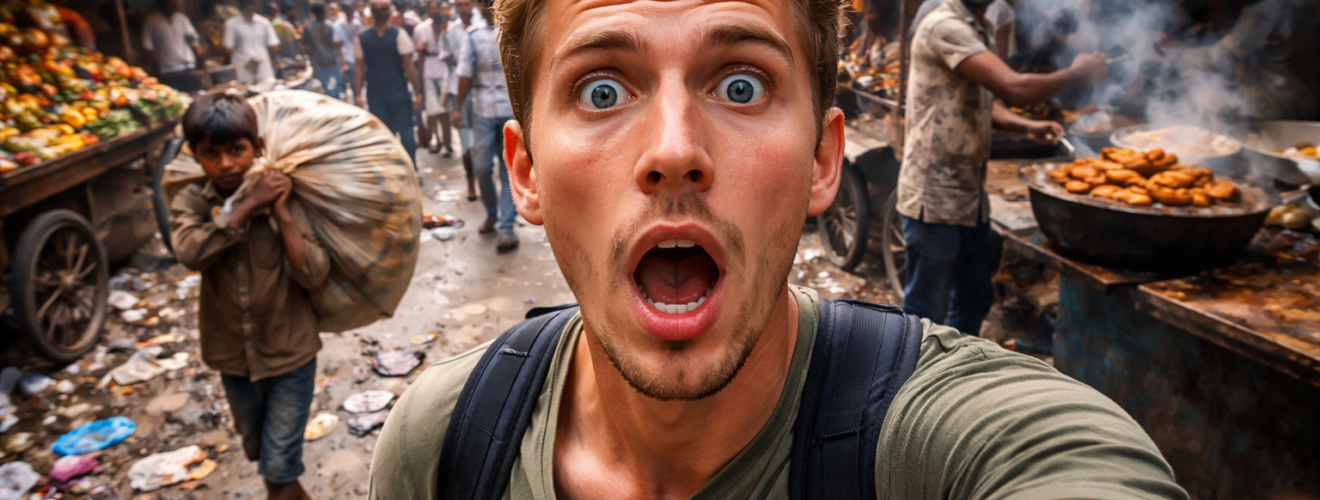
Travel vlogging changed the way people explore the world. Millions of viewers now rely on YouTube creators to experience foreign cultures, food, and everyday life. A single video can shape the perception of an entire country. In recent years, many foreign vloggers have started visiting India with extremely tight budgets and cameras ready for “shock content.” They highlight chaos, poverty, and culture shock because those scenes attract attention and views.
This trend raises an important question. Do these videos show India honestly, or do they present a distorted image designed for algorithms and viral engagement?
Why India Attracts Budget Vloggers
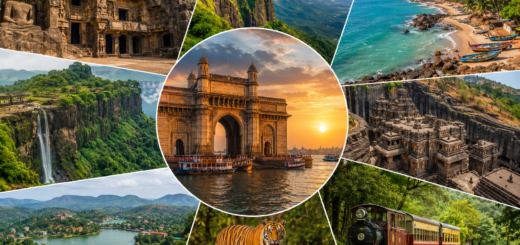
India attracts travel vloggers for many obvious reasons. The country offers deep history, vibrant cultures, diverse landscapes, and dramatic contrasts between tradition and modernity. India also offers affordability. Travelers can survive on very small budgets compared to Europe or North America. Cheap accommodation, inexpensive transport, and affordable food allow vloggers to produce weeks of content without spending much money.
That affordability creates an opportunity for creators who want to build channels quickly. They travel across Indian cities, markets, and villages while filming every unusual or chaotic moment they encounter. Many of them choose locations that guarantee dramatic reactions. Crowded railway stations, busy street markets, and informal settlements often become their filming spots.
Reality Versus Selective Storytelling
These places exist, and they represent real parts of Indian society. India struggles with poverty, infrastructure pressure, pollution, and uneven development. Anyone who travels across the country will encounter these realities. Honest storytelling should never hide those issues.
However, many vloggers build their entire narrative around those moments alone.
The Shock Content Formula
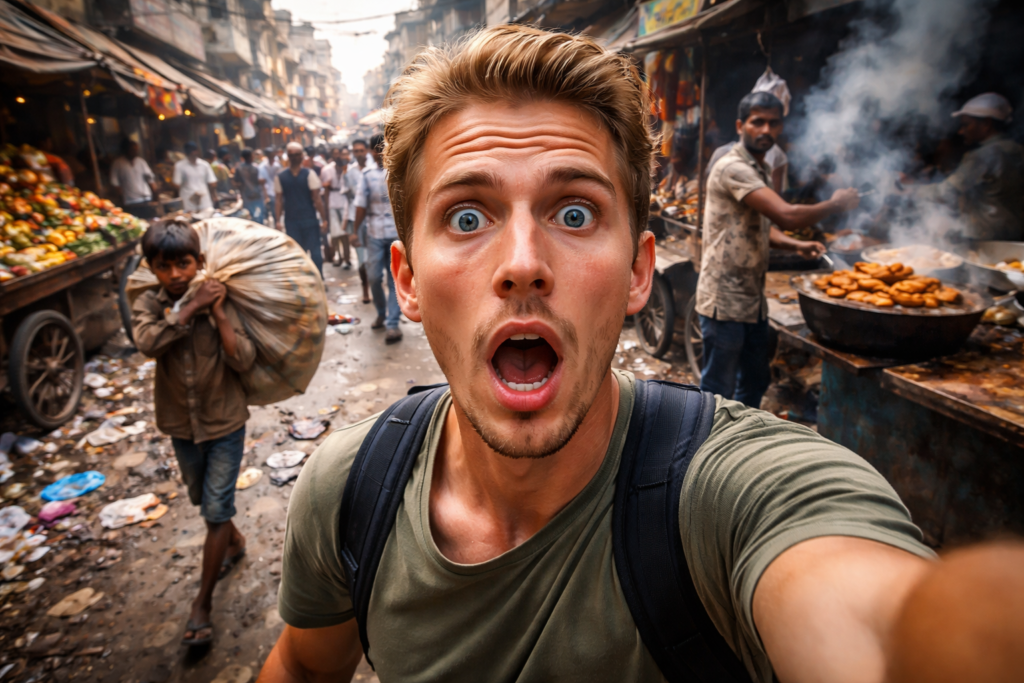
A pattern appears in thumbnails and titles. Words like “shocking,” “crazy,” “unbelievable,” and “culture shock” dominate the headlines. The camera zooms in on overcrowded streets or questionable food hygiene. Dramatic facial expressions fill the thumbnails. These techniques push curiosity and controversy, and curiosity drives clicks.
The YouTube algorithm rewards this behavior. Videos that provoke strong reactions receive more engagement. More engagement leads to more recommendations. A calm video that shows India’s modern infrastructure, universities, startups, or cultural institutions rarely produces the same viral reaction.
Creators understand this reality. They adjust their storytelling accordingly.
A vlogger who films a quiet metro system in a large Indian city may gain modest views. A vlogger who films a chaotic street food stall while reacting with visible shock may gain hundreds of thousands of views. The economic incentive becomes clear.
Many vloggers therefore chase extreme experiences rather than balanced stories.
The Problem With One-Sided Narratives
Some creators arrive in India with a clear plan. They search for the most crowded areas, the loudest markets, or the most unusual food situations. They film reactions, exaggerate confusion, and build suspense around every unfamiliar moment. Their content emphasizes contrast rather than context.
This style of storytelling may entertain audiences, but it creates a narrow narrative.
India holds more than 1.4 billion people. The country includes thousands of languages, cultures, traditions, and social environments. Major cities contain modern technology hubs, large universities, research institutions, and expanding infrastructure. Millions of Indians work in global industries and drive innovation across fields such as software, medicine, and engineering.
Yet many viral travel videos show only one version of India.
Acknowledging India’s Real Challenges
Criticism of this trend does not require denial of India’s flaws. India faces real challenges. Problems such as waste management, overcrowding, and civic discipline appear in many regions. Anyone who travels through the country will notice them.
However, scale changes the perspective.
India contains more than 1.4 billion people. Even a small percentage of problematic behavior can create massive visible numbers. Imagine that only thirty percent of people show poor civic habits. That number still represents hundreds of millions of individuals. That figure equals or even exceeds the total population of many countries where some of these vloggers originate.
When viewers watch short clips without context, they may assume that those scenes represent the entire nation. The camera captures a limited moment, yet audiences interpret it as a universal reality.
Selective storytelling can therefore distort perception.
The Ethics of Filming Poverty
Another issue involves the economic relationship between creators and the environments they film. Poverty and struggle become visual content. Cameras move through communities that face real hardship. The footage attracts millions of views online, yet the people in those communities rarely receive any benefit from the exposure.
This dynamic raises ethical questions about responsibility in travel storytelling.
Responsible Travel Storytelling
A responsible travel creator can document difficult realities while still respecting context and dignity. Balanced storytelling can include both problems and progress. Viewers deserve to see the complexity of a country rather than a single exaggerated narrative.
Many creators actually follow this approach. Some vloggers explore India with curiosity and humility. They speak with local people, learn cultural history, and present the country with nuance. Their videos show modern cities, innovative businesses, traditional arts, and everyday life alongside social challenges.
Those creators demonstrate that honest travel storytelling remains possible.
The Role of Viewers and Algorithms
The problem arises when creators treat a country like a stage for shock entertainment. A country with more than a billion people cannot fit into a thumbnail reaction face.
Global audiences must also recognize their own role in this ecosystem. Viewers choose which videos succeed. When audiences reward exaggerated narratives with millions of clicks, creators will continue producing similar content.
Better media literacy can change this cycle.
Viewers should question the framing of viral travel videos. They should ask simple questions. What does the camera include? What does the camera exclude? What context remains missing from the story?
Looking Beyond the Thumbnail
Travel content should expand understanding of the world. It should not reduce complex societies to stereotypes designed for algorithmic success.
India stands as one of the most diverse and complicated societies on the planet. Its problems deserve honest discussion. Its achievements deserve equal attention. No country benefits from selective storytelling that amplifies only one side of reality.
Travel vloggers hold enormous influence over global perception. With that influence comes responsibility. Creators who visit India should approach the country with curiosity rather than a hunt for viral shock moments.
The internet does not need another exaggerated reaction video. The world needs stories that reflect the full depth of the places people call home.
Also Read – Lenovo Yoga Pro 9i 16 Aura Edition Review Creator Power 2026