Vegan vs Keto Diet – Which Works Better?
Diet trends evolve quickly, yet two approaches dominate health discussions today: the vegan diet and the keto diet. Both promise weight loss, improved health, and better lifestyle outcomes. However, each diet follows completely different nutritional principles. Understanding these differences helps people choose the right option for their goals.
This article explores how vegan and keto diets work, their benefits, risks, and which diet produces better results for weight loss and long-term health.
Understanding the Vegan Diet
A vegan diet eliminates all animal products. People who follow this diet avoid meat, poultry, fish, dairy, eggs, and even honey. Instead, they focus on plant-based foods such as vegetables, fruits, grains, legumes, nuts, and seeds.
Many individuals choose veganism for ethical, environmental, or health reasons. A well-planned vegan diet provides fiber, antioxidants, vitamins, and minerals from plant sources.
Benefits of a Vegan Diet
A vegan diet offers several health advantages.
First, plant-based foods contain high amounts of fiber. Fiber supports digestion, promotes gut health, and helps regulate blood sugar levels.
Second, vegan diets typically contain lower saturated fat levels. This reduction may help lower cholesterol levels and reduce the risk of heart disease.
Third, many studies show that people who follow vegan diets maintain lower body weight compared to individuals who consume animal products. Plant foods often provide fewer calories while delivering high nutrient density.
A vegan diet also supplies antioxidants and phytochemicals. These compounds protect cells from damage and support overall health.
Challenges of a Vegan Diet
Despite many benefits, vegan diets require careful planning.
Protein intake often becomes a concern. Plant proteins from lentils, beans, tofu, and quinoa provide adequate amounts, yet people must combine multiple sources to obtain complete amino acids.
Vitamin B12 deficiency also presents a common issue because this nutrient primarily exists in animal products. Vegans usually rely on fortified foods or supplements.
Iron and omega-3 fatty acids may also require attention. Foods like flaxseeds, walnuts, and leafy greens help maintain proper levels.
With proper planning, however, individuals can maintain balanced nutrition on a vegan diet.
Understanding the Keto Diet
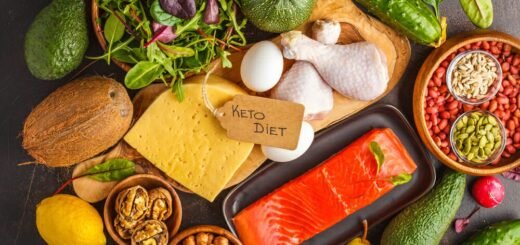
The ketogenic diet, commonly known as keto, follows a completely different philosophy. This diet drastically reduces carbohydrate intake and increases fat consumption.
A typical keto diet includes around 70–75% fat, 20–25% protein, and only 5–10% carbohydrates.
This macronutrient balance forces the body to enter ketosis. In ketosis, the body burns fat instead of glucose for energy. The liver produces molecules called ketones, which serve as an alternative fuel source.
Benefits of the Keto Diet
The keto diet offers several potential benefits.
Rapid weight loss often occurs during the initial stages. Reduced carbohydrate intake lowers insulin levels and encourages the body to burn stored fat.
Many people also report reduced appetite. High fat and protein intake increase satiety, which often leads to lower calorie consumption.
Keto diets may improve blood sugar control. Some individuals with type 2 diabetes experience better glucose management while following low-carbohydrate eating patterns.
The keto diet also shows promise for neurological conditions. Doctors have used ketogenic diets for decades to manage epilepsy in children.
Challenges of the Keto Diet
Despite its advantages, the keto diet presents several challenges.
Carbohydrate restriction eliminates many healthy foods such as fruits, whole grains, and certain vegetables. This limitation may reduce fiber intake.
Some individuals experience the “keto flu” during the transition period. Symptoms may include fatigue, headaches, irritability, and nausea.
Long-term adherence often becomes difficult because the diet restricts many common foods.
High intake of saturated fats may also raise concerns for heart health in some individuals.
Careful planning and medical supervision help reduce these risks.
Weight Loss: Vegan vs Keto
Weight loss remains one of the most common reasons people adopt these diets.
The keto diet often produces faster short-term weight loss. The body burns stored glycogen and releases water weight during the first weeks. Ketosis also increases fat metabolism.
However, long-term results depend on consistency and calorie balance.
A vegan diet may lead to slower initial weight loss, yet it often supports sustainable results. High fiber foods increase fullness and naturally reduce calorie intake.
Research frequently shows that plant-based diets help individuals maintain healthy body weight over time.
Therefore, keto may deliver faster early results, while vegan diets may support long-term weight management.
Nutritional Balance and Health
Nutritional quality plays a crucial role when comparing these diets.
A balanced vegan diet supplies fiber, antioxidants, vitamins, and minerals. These nutrients support heart health and reduce inflammation.
However, vegans must monitor vitamin B12, iron, calcium, and omega-3 intake.
The keto diet provides high amounts of fats and moderate protein. While ketosis may improve metabolic health in certain individuals, low fiber intake and restricted food variety may cause nutrient gaps.
The quality of foods also matters. Healthy keto diets include avocados, olive oil, nuts, seeds, and non-starchy vegetables. Poor keto diets rely heavily on processed meats and unhealthy fats.
Both diets require thoughtful planning to maintain nutritional balance.
Sustainability and Lifestyle
Lifestyle compatibility often determines whether a diet succeeds.
Vegan diets offer wide food variety and flexibility. Restaurants, grocery stores, and food brands increasingly support plant-based options.
Many individuals also appreciate the ethical and environmental aspects of vegan living.
Keto diets often require strict carbohydrate tracking. Social events, travel, and restaurant meals may become more difficult.
Some people find the strict carb limits difficult to maintain long term.
Personal lifestyle preferences therefore play a major role in choosing the right diet.
Which Diet Works Better?
No single diet works best for everyone.
People who seek rapid weight loss and blood sugar control may benefit from the keto diet, especially under medical supervision.
Individuals who prioritize heart health, sustainability, and long-term weight management may prefer a vegan diet.
Scientific evidence increasingly supports plant-based diets for long-term disease prevention and overall health.
However, personal goals, health conditions, and lifestyle habits ultimately determine success.
Final Thoughts
Both vegan and keto diets offer unique benefits and challenges. The vegan diet emphasizes plant-based nutrition, fiber, and sustainability. The keto diet focuses on fat metabolism and carbohydrate restriction.
Each approach can support weight loss and improved health when individuals plan meals carefully and maintain nutritional balance.
The best diet ultimately aligns with personal health goals, lifestyle preferences, and long-term sustainability.
Also Read – Best Home Blood Pressure Monitors