Vadh 2 Review: A Gritty Sequel That Divides Hearts and Minds
I walked into Vadh 2 expecting a tense continuation of a morally complex story. I walked out conflicted, impressed in parts, frustrated in others, and deeply affected by the performances. The sequel carries forward the emotional weight of the first film and places its characters in darker territory. It aims high, sometimes hits the mark, and sometimes loses grip on its own ambition.
The story picks up after the events of the first film and pushes the central couple into a new psychological and moral battle. The narrative moves into a prison setting and builds tension through conversations, hidden motives, and shifting loyalties. Director Jaspal Singh Sandhu focuses heavily on character dynamics rather than spectacle. He keeps the camera close to faces, forcing us to confront guilt, fear, and calculation.
Story and Screenplay
The plot revolves around survival, manipulation, and the emotional cost of crime. The screenplay tries to build a layered “howdunit” rather than a traditional whodunit. I appreciated that choice. The film does not chase flashy twists; instead, it leans into psychological tension. Every interaction carries subtext.
However, the pacing stumbles in the middle. Several scenes stretch longer than necessary. Conversations repeat emotional beats without adding fresh insight. I felt the tension dip during these stretches. A thriller needs rhythm, and here the rhythm sometimes falters.
Despite that, the final act regains momentum. The confrontations feel earned. The film delivers a climax that avoids melodrama and chooses restraint. I admired that decision. The ending lingers in the mind rather than exploding in your face.
Performances
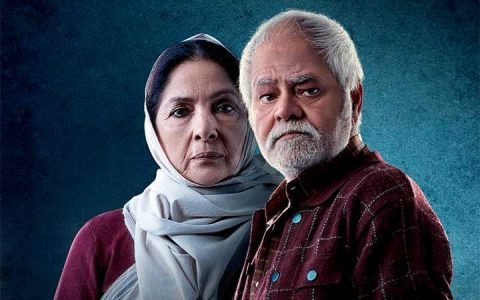
The film stands firmly on the shoulders of its lead actors. Sanjay Mishra delivers one of his most controlled performances. He does not shout or overplay emotion. He uses pauses, glances, and subtle changes in tone. I found myself watching his face even when no dialogue played. He portrays a man trapped between fear and moral stubbornness with remarkable nuance.
Neena Gupta matches him with equal intensity. She brings quiet strength to her character. Her performance carries emotional weight without begging for sympathy. She balances vulnerability and resolve in a way that feels authentic. In several scenes, she dominates the frame with just her eyes and body language.
The chemistry between Mishra and Gupta anchors the film. Their shared history shows in small gestures and loaded silences. I believed in their bond, and that belief kept me invested even when the script slowed down.
Supporting characters add tension, but they do not receive enough depth. Some antagonistic figures feel underwritten. They serve the plot more than they live as fully realized individuals. Stronger characterization could have elevated the overall impact.
Direction and Tone
Jaspal Singh Sandhu chooses restraint over sensationalism. He avoids loud background scores and flashy camera tricks. He trusts performances and dialogue. That choice gives the film a grounded tone. The prison setting feels claustrophobic without looking exaggerated.
The director creates tension through moral discomfort rather than violence. I admired that maturity. He allows scenes to breathe, but he sometimes lets them breathe too long. A tighter edit would have sharpened the narrative blade.
Still, the tonal consistency impressed me. The film never slips into comedy or unnecessary melodrama. It maintains seriousness from start to finish. That commitment strengthens the emotional core.
Cinematography and Technical Aspects
The cinematography uses muted colors and controlled lighting. The frames feel intimate. Close-ups dominate many scenes, which enhances psychological intensity. I liked how the camera lingered during moments of silence. Those pauses often communicated more than dialogue.
The background score supports the mood without overpowering it. It nudges tension rather than dictating emotion. However, I wished for more variation in musical themes. The score sometimes blends into the background too much.
Editing presents the biggest technical weakness. Several sequences could lose a few minutes without harming the story. A thriller benefits from sharp cuts and escalating tempo. Here, the pacing fluctuates.
Themes and Emotional Impact
The film explores guilt, justice, survival, and the cost of moral compromise. It asks whether one crime justifies another. It examines how ordinary people handle extraordinary pressure. I appreciated the thematic ambition.
The narrative forces the audience to question loyalty and righteousness. It does not offer easy answers. I left the theater debating choices made by the characters. That internal debate signals strong storytelling.
At the same time, the film occasionally repeats its central theme without adding layers. It circles around moral conflict instead of deepening it. Stronger writing in the second act could have added more complexity.
Good Aspects
- Powerful Lead Performances: Sanjay Mishra and Neena Gupta carry the film with conviction and subtlety.
- Emotional Depth: The story explores moral dilemmas in a mature and grounded way.
- Controlled Direction: The director avoids unnecessary drama and focuses on character-driven tension.
- Atmospheric Setting: The prison backdrop adds claustrophobia and urgency.
- Strong Climax: The final act delivers emotional weight and narrative payoff.
Bad Aspects
- Uneven Pacing: The middle portion drags and weakens momentum.
- Underwritten Supporting Characters: Several roles lack depth and complexity.
- Repetitive Emotional Beats: The script revisits similar arguments without progression.
- Editing Issues: Tighter cuts could have enhanced suspense.
- Limited Musical Variation: The background score lacks distinct themes.
Audience and Industry Buzz
The film has sparked mixed reactions. Some viewers praise its performances and mature storytelling. Others criticize its slow pace. Actor Ayushmann Khurrana publicly expressed support for the film, which added to its visibility and conversation around it.
The divided response makes sense. This film does not chase mass thrills. It demands patience and attention. Viewers who enjoy psychological drama will connect more deeply than those who expect high-octane twists.
Final Verdict
I respect what Vadh 2 attempts. It strives for emotional realism and moral complexity. It refuses to spoon-feed answers. It relies on performance rather than spectacle. That courage deserves appreciation.
However, storytelling discipline could have elevated the experience. Sharper editing and stronger supporting roles would have transformed a good sequel into a great one.
Despite its flaws, the film stayed with me. I kept thinking about its characters long after the credits rolled. That lingering impact counts for something.
Rating: 3.5 out of 5
Vadh 2 delivers strong performances and emotional intensity but struggles with pacing and narrative sharpness. It divides hearts and minds, yet it commands attention through sheer acting power and moral tension.
Also Read – Top 10 Fashion Influencers to Watch in 2026