Luxury Sedans Ownership Cost Review
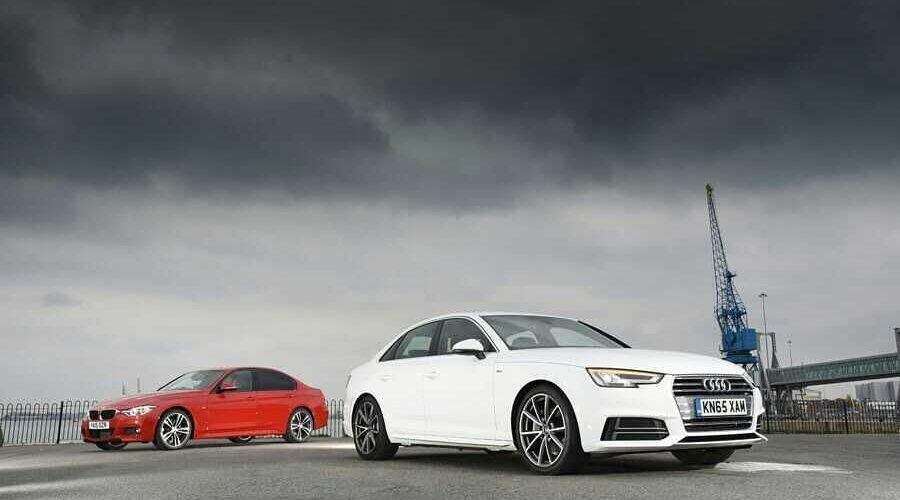
Luxury sedans have always represented the intersection of comfort, technology, and prestige. In 2026, however, buying one is no longer just about sticker price or brand appeal—it is a long-term financial decision shaped by depreciation, insurance premiums, fuel or charging costs, maintenance complexity, and resale value. While two vehicles may share similar MSRPs, their true cost of ownership over five years can differ by tens of thousands of dollars.
This review focuses on real ownership costs, not just purchase prices. Using current U.S. market data and industry-standard five-year ownership models, we examine how popular luxury sedans perform financially once they leave the showroom. The goal is simple: help buyers understand where the money goes and which luxury sedans offer the best balance between experience and long-term cost.
Understanding Total Cost of Ownership (TCO)
Total Cost of Ownership includes every major expense incurred during a vehicle’s life with its first owner, typically measured over five years. For luxury sedans, these costs generally fall into six categories:
- Depreciation – Loss of value over time
- Fuel or Electricity – Gasoline or charging costs
- Insurance – Higher premiums due to vehicle value and repair costs
- Maintenance – Scheduled servicing
- Repairs – Unscheduled fixes after warranty periods
- Taxes & Fees – Registration and local ownership costs
Among these, depreciation is by far the largest expense, often exceeding fuel, insurance, and maintenance combined.
Market Context: Luxury Sedans in 2026
Despite the SUV boom, luxury sedans remain strong among buyers who value ride quality, efficiency, and understated elegance. Electrification, advanced driver-assistance systems, and larger infotainment displays have increased both vehicle complexity and long-term ownership costs.
This review analyzes five representative models:
- BMW 5 Series
- Mercedes‑Benz E‑Class
- Audi A6
- Lexus ES
- Tesla Model S
Each represents a distinct ownership philosophy—from traditional European luxury to long-term reliability and full electrification.
1. BMW 5 Series: Performance Comes at a Price
Purchase and Depreciation
The BMW 5 Series enters 2026 with a starting price just above $60,000 for base trims. While competitive in its segment, depreciation is aggressive. Over five years, owners can expect the vehicle to lose approximately 60–65% of its original value, translating to roughly $38,000–$42,000 in depreciation.
Fuel and Insurance
Fuel economy is respectable for the segment, averaging in the low-to-mid 20 mpg range. Fuel costs over five years typically land between $7,000 and $9,000, depending on mileage and fuel prices. Insurance premiums are above average due to repair complexity and parts costs, often totaling $9,000–$12,000 over five years.
Maintenance and Repairs
BMW offers complimentary scheduled maintenance for the first few years, but costs rise sharply once coverage expires. Advanced electronics, turbocharged engines, and adaptive suspensions add long-term repair risk.
Five-Year Ownership Cost (Estimated)
$85,000–$92,000
Best for: Drivers who value handling, performance, and brand prestige—and plan to lease or sell before year five.
2. Mercedes-Benz E-Class: Traditional Luxury, Modern Costs
Purchase and Depreciation
The E-Class starts in the mid-$60,000 range and can climb rapidly with options. Depreciation closely mirrors the BMW 5 Series, with five-year value loss approaching $40,000–$45,000.
Fuel and Insurance
Fuel consumption is similar to BMW’s, though higher-output trims cost more to run. Insurance costs are among the highest in the class, reflecting expensive parts and labor.
Maintenance and Repairs
Mercedes engineering emphasizes comfort and technology, but ownership costs increase after warranty expiration. Air suspension systems, digital dashboards, and driver-assist sensors are costly to repair.
Five-Year Ownership Cost (Estimated)
$90,000–$95,000
Best for: Buyers seeking classic luxury and refinement who are comfortable with higher long-term expenses.
3. Audi A6: Technology-Driven Luxury
Purchase and Depreciation
The Audi A6 begins around $64,000 and depreciates similarly to its German rivals. Expect $40,000 or more in value loss within five years.
Fuel and Insurance
Standard all-wheel drive and performance-oriented engines increase fuel costs slightly. Insurance remains high due to complex electronics and aluminum body construction.
Maintenance and Repairs
Audi interiors and infotainment systems are industry leaders, but long-term reliability can be mixed. Electronics and drivetrain components drive up repair costs beyond year three.
Five-Year Ownership Cost (Estimated)
$88,000–$94,000
Best for: Tech-focused buyers who want cutting-edge interiors and confident all-weather performance.
4. Lexus ES: The Cost-Efficiency Champion
Purchase and Depreciation
With a starting price around $43,000, the Lexus ES undercuts European rivals by a wide margin. More importantly, depreciation is significantly slower. Five-year value loss averages $25,000–$28,000, far below the segment norm.
Fuel and Insurance
Fuel economy is excellent, especially in hybrid variants, reducing five-year fuel costs to $5,000–$7,000. Insurance premiums are also lower due to strong safety ratings and reliability history.
Maintenance and Repairs
Lexus reliability shines here. Maintenance costs are among the lowest in the luxury segment, and unexpected repairs are rare during the first five years.
Five-Year Ownership Cost (Estimated)
$70,000–$74,000
Best for: Buyers who want luxury comfort with the lowest long-term financial risk.
5. Tesla Model S: Electric Luxury with Unpredictable Depreciation
Purchase and Depreciation
The Model S starts near $96,000 in 2026. Depreciation patterns remain volatile due to frequent pricing changes and rapid technology updates. Five-year depreciation can exceed $45,000–$50,000.
Energy and Insurance
Electricity costs are significantly lower than gasoline, especially with home charging. Five-year energy costs often remain under $5,000. Insurance, however, is high due to repair costs and limited body shop availability.
Maintenance and Repairs
Routine maintenance is minimal, but out-of-warranty repairs—especially related to batteries, screens, or body panels—can be expensive.
Five-Year Ownership Cost (Estimated)
$90,000–$100,000
Best for: High-income buyers prioritizing performance, technology, and low daily running costs over resale stability.
Cost Breakdown Comparison (Five-Year Averages)
| Category | Lexus ES | BMW 5 Series | Mercedes E-Class | Audi A6 | Tesla Model S |
|---|---|---|---|---|---|
| Depreciation | Low | High | Very High | High | Very High |
| Fuel/Energy | Low | Medium | Medium | Medium | Very Low |
| Insurance | Low | High | Very High | High | High |
| Maintenance | Very Low | Medium | High | Medium | Low |
| Total Cost | Lowest | High | Highest | High | High |
How to Reduce Luxury Sedan Ownership Costs
- Buy Certified Pre-Owned – Avoid the steepest depreciation years
- Lease Instead of Buy – Shift depreciation risk to the manufacturer
- Limit Options – High-end tech options rarely retain value
- Choose Proven Powertrains – Simpler engines age better
- Shop Insurance Aggressively – Premiums vary dramatically by provider
Final Verdict
Luxury sedans in 2026 are as advanced—and expensive—as ever. While German brands dominate performance and prestige, they also carry the highest long-term costs. The Lexus ES stands apart as the most financially sensible luxury sedan, delivering comfort and reliability with minimal ownership stress. Meanwhile, the Tesla Model S offers a glimpse of the future, trading predictable depreciation for lower daily operating costs.
The right choice depends on priorities: driving enjoyment, brand image, or long-term financial efficiency. Understanding total cost of ownership ensures that luxury remains a pleasure—not a financial regret.
ALSO READ: Top 10 Off-Road Vehicles