Review of European vs. Asian Car Manufacturing
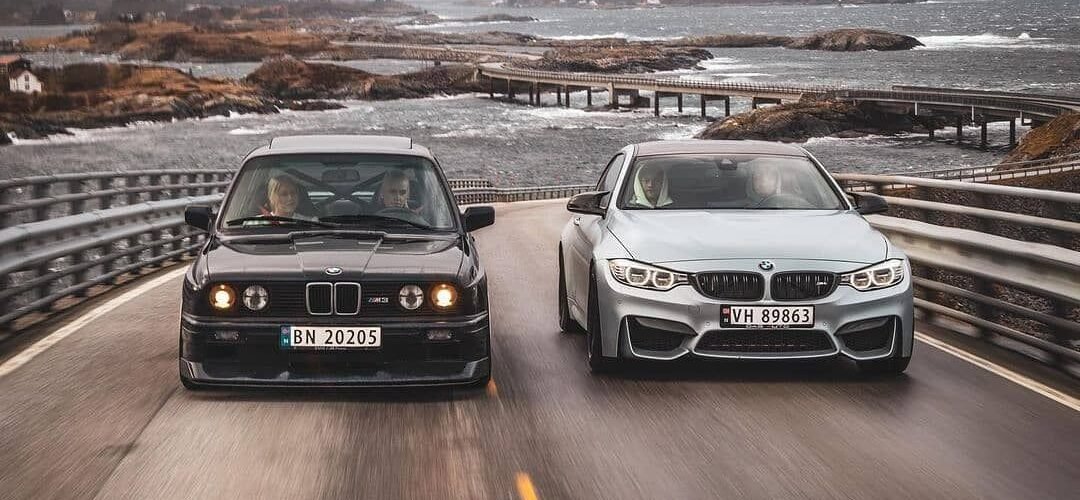
The global automotive industry is undergoing its most significant transformation in over a century. Electrification, automation, sustainability pressures, and changing consumer expectations are redefining how cars are designed, built, and sold. At the heart of this transformation stand two dominant manufacturing powerhouses: Europe and Asia.
European car manufacturing is historically associated with engineering excellence, luxury, and driving dynamics. Asian car manufacturing, particularly from Japan, South Korea, and China, is known for efficiency, reliability, scale, and rapid innovation. In 2025, the comparison between European and Asian car manufacturers is no longer about which is “better,” but about how their philosophies, strengths, and strategies differ—and where each is headed.
This article provides a comprehensive, data-informed review of European versus Asian car manufacturing, covering production scale, technology, quality, electrification, cost structures, labor models, and future outlook.
Historical Foundations: Different Origins, Different Philosophies
European Manufacturing Roots
European car manufacturing evolved around:
- Precision engineering
- Craftsmanship
- Performance and handling
- Brand heritage
Germany, France, Italy, and the UK developed automotive industries early, focusing on mechanical excellence and specialization. Many European brands grew through motorsports, luxury craftsmanship, and mechanical innovation.
Asian Manufacturing Roots
Asian car manufacturing, particularly post–World War II, focused on:
- Mass production efficiency
- Affordability
- Reliability and durability
- Continuous improvement
Japan pioneered lean manufacturing and quality control systems, while South Korea refined rapid scaling and design-driven competitiveness. China, more recently, has leveraged state support, scale, and speed to become the world’s largest auto producer.
Production Scale and Global Output
Asia: The Volume Leader
As of 2024–2025:
- Asia produces over 55% of global vehicle output
- China alone accounts for more than 30% of global vehicle manufacturing
- Japan and South Korea remain among the top five auto-producing nations
Asian manufacturers dominate in:
- Compact and mid-size vehicles
- Mass-market EVs
- Global export volume
Scale allows Asian manufacturers to reduce per-unit costs and iterate quickly.
Europe: High Value, Lower Volume
Europe produces fewer vehicles overall but commands:
- Higher average vehicle value
- Strong premium and luxury market share
- Advanced engineering output per vehicle
Germany remains one of the world’s largest exporters of premium vehicles, despite lower total production numbers than Asian countries.
Manufacturing Philosophy and Process
European Approach: Engineering-First
European manufacturing emphasizes:
- Advanced mechanical systems
- Chassis tuning and ride quality
- Complex drivetrains and performance optimization
European factories often support:
- Modular luxury platforms
- High customization levels
- Lower-volume, higher-margin production
This approach excels in premium and performance segments but increases cost and complexity.
Asian Approach: Process-First
Asian manufacturers focus on:
- Lean production systems
- Standardization
- Continuous improvement (Kaizen principles)
Asian plants are optimized for:
- High throughput
- Low defect rates
- Rapid platform sharing
This results in consistent quality and lower ownership costs.
Quality and Reliability Metrics
Asian Manufacturers: Reliability Leaders
For decades, Asian manufacturers—especially Japanese brands—have dominated long-term reliability rankings.
Key factors:
- Conservative engineering choices
- Proven components
- Extensive pre-production testing
Data from vehicle ownership studies shows Asian brands consistently score higher in:
- Fewer defects per vehicle
- Lower maintenance costs over 10 years
- Higher resale value in mass-market segments
European Manufacturers: Performance Over Longevity
European vehicles often prioritize:
- Driving engagement
- Advanced features
- Cutting-edge technology
While these enhance user experience, they can introduce:
- Higher maintenance costs
- More complex systems
- Greater long-term repair variability
Premium European brands excel in early ownership satisfaction but show mixed long-term reliability compared to Asian counterparts.
Design and Aesthetics
European Design Identity
European design emphasizes:
- Timeless styling
- Proportional balance
- Brand-specific visual language
Luxury and sports car brands from Europe often set global design trends, influencing competitors worldwide.
Asian Design Evolution
Asian manufacturers historically prioritized function over form. However, in the last decade:
- South Korean brands have emerged as global design leaders
- Japanese brands have embraced bold, experimental aesthetics
- Chinese brands rapidly adapt global design cues
Asian design is now increasingly expressive, youthful, and globally appealing.
Electrification and EV Leadership
Europe: Regulation-Driven Electrification
Europe’s EV push is driven by:
- Strict emissions regulations
- Government incentives
- Urban clean-air policies
European manufacturers focus on:
- Premium EVs
- Performance-oriented electric drivetrains
- Advanced battery management systems
However, higher production costs and slower scaling have limited affordability in some markets.
Asia: Scale-Driven Electrification
Asia—especially China—is the global EV production leader.
Key strengths:
- Vertical integration of battery supply chains
- Aggressive pricing strategies
- Fast model iteration cycles
China now produces the majority of the world’s EVs, including entry-level and mid-range models that accelerate mass adoption.
Battery Technology and Supply Chains
Asian Dominance in Batteries
Asia controls:
- Most global lithium-ion battery production
- Refining of critical battery materials
- Battery cost reduction through scale
This gives Asian manufacturers a strategic advantage in EV pricing and supply stability.
European Catch-Up Strategy
Europe is investing heavily in:
- Domestic battery gigafactories
- Sustainable sourcing
- Recycling infrastructure
While progress is strong, Europe still relies heavily on Asian battery suppliers in 2025.
Cost Structure and Pricing
Asian Cost Advantages
Asian manufacturers benefit from:
- Lower labor costs in some regions
- High-volume production
- Simplified platforms
As a result:
- Vehicles are more affordable
- Price competitiveness is stronger in global markets
European Cost Pressures
European manufacturers face:
- Higher labor costs
- Stricter environmental regulations
- Complex production systems
This results in:
- Higher vehicle prices
- Stronger focus on premium positioning
European brands rely on brand equity to justify pricing.
Automation and Smart Manufacturing
Asia: Fast and Flexible Automation
Asian plants emphasize:
- Robotics for high-volume assembly
- Rapid reconfiguration of production lines
- Digital quality monitoring
Chinese factories, in particular, have leapfrogged older systems by building fully digital plants from scratch.
Europe: Precision Automation
European factories focus on:
- High-precision robotics
- Advanced quality control
- Integration of human craftsmanship in premium segments
Automation in Europe balances technology with skilled labor rather than replacing it entirely.
Labor Models and Workforce Strategy
European Workforce Model
- Strong labor protections
- Unionized environments
- High skill specialization
This promotes stability and craftsmanship but reduces flexibility.
Asian Workforce Model
- Greater workforce flexibility
- Emphasis on training and process discipline
- Faster scaling capability
Asian manufacturers adapt production volumes more easily to market demand.
Innovation Speed and Product Cycles
Asia: Rapid Iteration
Asian manufacturers excel at:
- Short development cycles
- Frequent model refreshes
- Fast adoption of new tech
This is especially visible in infotainment, EV software, and connectivity.
Europe: Deliberate Development
European brands emphasize:
- Extensive validation
- Driving refinement
- Long-term platform strategies
Innovation is deep but slower, prioritizing stability over speed.
Software and Digital Experience
Asian Strengths
- Advanced infotainment systems
- Strong smartphone integration
- Rapid OTA update deployment
Chinese manufacturers, in particular, treat cars as software platforms.
European Transition
European brands are improving:
- Digital user interfaces
- OTA capabilities
- Software-defined vehicle platforms
However, legacy systems have slowed full transformation.
Sustainability and Environmental Strategy
Europe: Sustainability as Policy
European manufacturers lead in:
- Lifecycle emissions reporting
- Sustainable materials
- Recycling compliance
Environmental accountability is deeply embedded in manufacturing.
Asia: Sustainability as Efficiency
Asian manufacturers focus on:
- Energy-efficient production
- Battery recycling at scale
- Cost-effective sustainability solutions
China’s EV scale significantly reduces per-unit emissions despite high total output.
Global Market Strategy
European Strategy
- Focus on premium and luxury markets
- Strong brand storytelling
- Export-driven revenue
Asian Strategy
- Global mass-market penetration
- Localization for regional markets
- Aggressive pricing and feature competition
Asian manufacturers dominate emerging markets, while European brands dominate premium segments.
Strengths and Weaknesses Summary
European Manufacturing Strengths
- Engineering excellence
- Driving dynamics
- Luxury and brand heritage
- Regulatory leadership
European Challenges
- High costs
- Slower EV scaling
- Software transition
Asian Manufacturing Strengths
- Reliability and efficiency
- Cost competitiveness
- Battery leadership
- Rapid innovation cycles
Asian Challenges
- Brand perception in luxury segments
- Quality consistency among newer entrants
- Regulatory pressure in export markets
The Road Ahead: Convergence, Not Competition
The future of car manufacturing will likely involve convergence rather than dominance.
Key trends:
- European brands adopting Asian efficiency models
- Asian brands investing in premium quality and design
- Shared global EV platforms
- Increased collaboration across regions
By 2030, the distinction between “European” and “Asian” manufacturing styles may blur as both adopt each other’s strengths.
Final Thoughts
European and Asian car manufacturing represent two highly successful but fundamentally different philosophies. Europe excels in precision, performance, and premium craftsmanship, while Asia leads in scale, reliability, efficiency, and electrification.
In 2025, neither approach is superior in isolation. The most successful manufacturers are those that combine European engineering depth with Asian manufacturing efficiency.
The global automotive future will not be defined by geography alone—but by how well manufacturers adapt, collaborate, and innovate in an era of rapid technological change.
ALSO READ: Fittr Hart X2 Smart Ring Review: Everything to Know