AI-Generated Short Film — Innovation Analysis
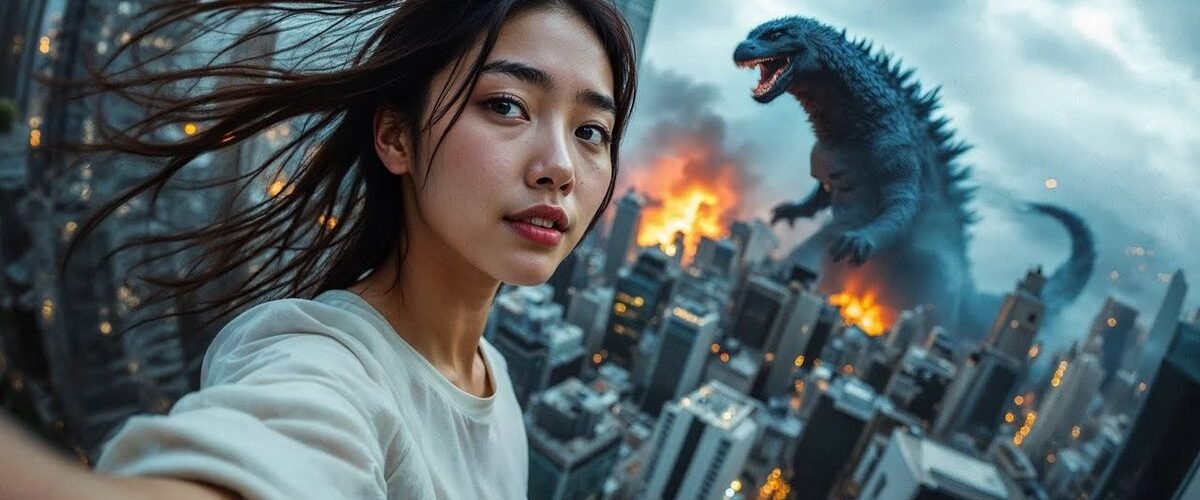
1. Introduction: A New Cinematic Frontier
In 2025, AI-generated short films have evolved from niche experiments into a legitimate creative format attracting filmmakers, artists, agencies, brands, and studios. What began as playful experiments in text-to-image rendering has matured into a sophisticated ecosystem where creators can produce fully realized cinematic sequences—complete with acting, lighting, environments, and camera movement—using nothing more than textual descriptions, sketches, or reference images.
The rise of AI filmmaking has not replaced traditional cinema, but it has opened a parallel creative universe where speed, accessibility, experimentation, and narrative innovation flourish. For many, AI-generated films represent the modern equivalent of early handheld cameras—tools that democratize storytelling and redefine what is possible with minimal resources.
This analysis examines the technological, creative, economic, and ethical dimensions behind the rapid rise of AI-generated short films and explores what this means for the future of filmmaking.
2. The Technology Behind AI Filmmaking
2.1 Text-to-Video Engines: The New Camera Lens
The biggest leap in AI filmmaking comes from highly advanced text-to-video systems. These models can generate shots lasting dozens of seconds, filled with detailed environments, natural lighting, dynamic camera motion, and character performances. In 2025, these systems simulate:
- Realistic physics—gravity, motion, collisions, water, smoke
- Complex lighting—soft shadows, reflections, global illumination
- Atmospheric behaviors—fog, dust, snow, temperature changes
- Natural camera movements—panning, dolly shots, handheld shake
- High-resolution outputs suitable for festivals or commercial use
Each model has a unique style, strengths, and consistency level, but all of them dramatically reduce the time required to generate cinematic imagery.
2.2 AI-Assisted Production Suites
Today’s AI filmmaking tools are not limited to raw generation. The ecosystem includes:
- Character consistency tools that maintain the same protagonist across scenes
- Image-to-video systems that turn storyboards into animated sequences
- Video-to-video tools that allow creators to film real footage and “repaint” it into any style
- AI motion controllers that adjust movement, emotion, pacing, and facial performance
- Integrated editing and compositing modules that mimic traditional post-production software
These suites feel similar to having a digital VFX team working at incredible speed.
2.3 Cloud-Based Rendering at Scale
The heavy compute behind AI video generation is offloaded to cloud systems. This allows creators with modest computers—or even tablets—to produce scenes with complexity that previously required hundreds of render hours.
The rise of cloud-based AI filmmaking has removed nearly all technical barriers to entry, leaving storytelling as the main differentiator.
3. The New AI Short Film Workflow
AI-generated shorts are not made in a single prompt. Filmmakers today follow a hybrid workflow combining human creativity and AI automation.
3.1 Concept and Scriptwriting
Human writers still drive:
- Narrative arcs
- Themes, symbolism, and emotional beats
- Dialogue and pacing
- Character design
AI may be invited at this stage for brainstorming alternate endings, refining descriptions, or translating ideas into visual metaphors.
3.2 Storyboards and Previsualization
AI tools excel at turning early concepts into visual form:
- Storyboards generated from text
- Rapid alternates for locations, lighting, and character designs
- Animatics created from low-fidelity AI clips
This allows directors to visualize scenes quickly, test multiple versions, and determine whether story beats land emotionally.
3.3 Shot Generation
Filmmakers generate scenes in short segments—typically 5 to 15 seconds each—using text-to-video or image-to-video systems. Key strategies include:
- Writing cinematic prompts specifying camera position, focal length, and mood
- Feeding reference frames to maintain character continuity
- Generating multiple takes and selecting the most coherent ones
- Using stylistic constraints—realistic, anime, noir, surreal, painterly
AI becomes a tireless cinematographer, able to recreate any era, location, or fictional world.
3.4 Refinement and Post-Production
AI-reliant filmmakers still use traditional tools for:
- Editing and sequencing
- Sound design
- Foley and ambience
- Color grading
- Visual continuity fixes
- Subtitles and credits
While AI helps generate the footage, finishing the film still depends heavily on human judgement.
4. The Creative Impact: A New Language of Cinema
4.1 Unrestricted Imagination
AI-generated films enable creators to explore:
- Worlds too expensive to build
- Creatures impossible to animate manually on a budget
- Scenes requiring large-scale VFX
- Abstract or surreal visual metaphors
Short films no longer need financial backing to achieve scale. A small team can conjure:
- Floating cities
- Time-bending sequences
- Alien ecosystems
- Historical reenactments
- Stylized dreamscapes
The result is a new cinematic language where imagination, not resources, sets the limits.
4.2 Visual Experimentation at Unprecedented Speed
Directors can now experiment with:
- Lighting changes in seconds
- Alternative camera styles across genres
- Multiple versions of a scene exploring tone shifts
- Dramatic visual transformations
This iterative feedback loop allows creative decisions to emerge organically, similar to sketching rather than shooting.
4.3 Hybrid Aesthetics: Real Meets Unreal
AI short films often blend aesthetics that traditional productions cannot:
- Photorealistic characters in painterly worlds
- Live-action performances enhanced with stylized layers
- Animated frames with realistic motion blur
- Dream-like transitions that dissolve boundaries
This produces a signature “AI-native” aesthetic—distinct from both animation and live-action.
5. Economic Transformation: Filmmaking Becomes Accessible
5.1 Democratizing Film Production
AI short films dramatically reduce costs associated with:
- Equipment
- Sets
- Props
- Lighting rigs
- Cast and extras
- VFX labor
- Location permits
A new generation of filmmakers—students, freelancers, solo creators—can produce work at quality levels previously unattainable without big budgets.
5.2 New Roles and Industries
AI filmmaking sparks new creative roles:
- Prompt directors
- AI cinematographers
- Digital character supervisors
- AI art directors
- Consistency and continuity engineers
- Dataset curators
Meanwhile, production studios are reorganizing around AI pipelines, blending traditional and AI workflows.
5.3 Impact on Traditional Labor
AI automation has raised questions around:
- VFX and storyboard roles
- Junior artist apprenticeships
- Background actors and extras
- Concept art studios
However, new opportunities are growing in conceptualization, editing, sound, and narrative design. AI transforms labor rather than eliminating it entirely, shifting emphasis toward creative oversight and world-building.
6. Challenges and Limitations in 2025
6.1 Temporal Coherence
AI still struggles with consistency:
- Characters’ faces may change between shots
- Props can appear or disappear
- Motion may drift or glitch
- Clothing textures may morph unexpectedly
Short films help mask these limitations by using fast cuts and stylized visuals.
6.2 Character Consistency
Maintaining the same protagonist through multiple scenes remains difficult. Filmmakers use strategies like:
- Reference images
- Annotated prompts
- Manual post-editing
- Strategic shadows or silhouettes
The technology improves each year but consistency remains a significant barrier to long-form AI cinema.
6.3 Audio Realism
AI-generated visuals have advanced faster than AI-driven audio and dialogue. Many filmmakers rely on:
- Human voice actors
- AI voice clones tuned manually
- Traditional Foley and sound design
Sound remains a largely manual part of AI filmmaking.
6.4 Compute Access and Costs
AI video generation remains resource-intensive. Some platforms have introduced:
- Daily limits
- Credit systems
- Usage tiers
- Subscription plans
This creates an economic ceiling for heavy-use creators or larger studios attempting full AI productions.
7. Ethical Questions in AI Cinema
7.1 Authorship and Creative Ownership
If the images come from an AI model trained on countless films and artworks, who is the “true” creator?
The working consensus in 2025 is:
- The human is the author if they direct, curate, and edit the work.
- AI is a tool, not an autonomous storyteller.
- Creative credit depends on human creative involvement.
But debates continue as models become more sophisticated.
7.2 Training Data Issues
AI models are trained on massive datasets that may include:
- Films
- Artworks
- Photography
- Real people’s faces
- Cultural symbols
Filmmakers face concerns about whether their generated content unintentionally lifts style or likenesses from datasets in ways that raise ethical or legal questions.
7.3 Bias and Representation
If datasets contain cultural biases, AI-generated films may:
- Reinforce stereotypes
- Underrepresent certain groups
- Produce skewed aesthetics
Responsible AI filmmaking requires deliberate prompting and human oversight.
7.4 Transparency in Production
As AI visuals become more realistic, audiences must be informed when imagery is AI-generated to avoid deception, especially in documentary, journalism, or political contexts.
8. Cultural Shift: AI Cinema Earns Real Artistic Recognition
8.1 AI Film Festivals
Dedicated AI film festivals highlight the artistic potential of this medium. They celebrate:
- Innovation
- Experimental visual language
- Hybrid techniques
- Narrative creativity
These festivals legitimize AI cinema as an art form.
8.2 Mainstream Festival Inclusion
Traditional film festivals now feature AI-assisted categories, granting awards for:
- Best AI Short Film
- Best Use of Generative Tools
- Innovative Storytelling with AI
This integration symbolizes a growing acceptance of AI filmmaking within the broader cinematic world.
8.3 Academic and Critical Recognition
Film schools now offer:
- AI filmmaking courses
- Workshops on prompt direction
- Hybrid production curriculums
- Research on AI aesthetics and narrative forms
Critical discourse explores how AI changes the grammar of visual storytelling.
9. How AI Changes Storytelling Itself
9.1 The Rise of Micro-Cinema
Short films between 30 and 90 seconds—once too small for attention—are now common:
- Visual poems
- Mood sequences
- Mini-dramas
- Story fragments
- Character vignettes
AI makes micro-cinema artistically viable.
9.2 The Return of Surrealism
AI excels at dream logic:
- Melting environments
- Impossible architectures
- Shape-shifting characters
Short films embrace these surreal aesthetics, producing works reminiscent of early experimental cinema.
9.3 Nonlinear and Iterative Storytelling
Creators can:
- Generate alternate plotlines
- Produce multiple endings
- Explore parallel universes of the same narrative
Short films become laboratories for narrative experimentation.
10. The Future: Toward Full AI Feature Films
10.1 Improved Coherence
As models learn to sustain:
- Character identity
- Object permanence
- Environment stability
- Longer shot lengths
Feature-length coherence becomes achievable.
10.2 AI-Native Studios
New studios founded on AI workflows will:
- Produce serialized AI content
- Build entire worlds with AI assets
- Develop hybrid live-action–AI features
- Release AI-generated animated series
10.3 Audience Acceptance
By the late 2020s, audiences may treat AI films similarly to:
- Animation
- CGI-heavy films
- Motion-capture productions
The novelty fades; storytelling remains central.
11. Conclusion: The New Creative Renaissance
AI-generated short films in 2025 represent a turning point for global cinema. They offer:
- Radical creative freedom
- Massively lower production barriers
- New visual aesthetics
- Faster experimentation cycles
- Democratized access to filmmaking
AI is not replacing human creativity—it is amplifying it. These tools expand imagination, accelerate world-building, and empower both newcomers and professionals to tell stories once impossible without major funding.
AI short films are the test bed for the future of cinema: a space where new rules, ethics, aesthetics, and creative languages are invented. As technology matures, the line between AI cinema and traditional filmmaking will blur—but the human instinct to tell stories will remain unchanged.
ALSO READ: Top Coding Course Platforms Reviewed