Seasonal Fashion Trends — What Works and What Doesn’t
Fashion trends change rapidly, influenced by cultural shifts, celebrity impact, social media virality, global events, climate patterns, and evolving consumer values. Seasonal fashion, in particular, acts as a dynamic space where creativity meets practicality. Spring, summer, autumn, and winter each bring their own palette, materials, silhouettes, and aesthetics. However, not all seasonal trends succeed—some are celebrated widely, while others are rejected for impracticality, lack of comfort, or failing to match social and climate realities.
This research-driven article analyzes seasonal fashion trends in depth: what consistently works, what fails, why certain styles return year after year, and how consumer psychology influences trend adoption. The study also highlights sustainability concerns, designer strategies, and the future direction of seasonal fashion.
Understanding Seasonal Fashion Trends
Seasonal fashion trends emerge from multiple sources:
1. Runway Collections
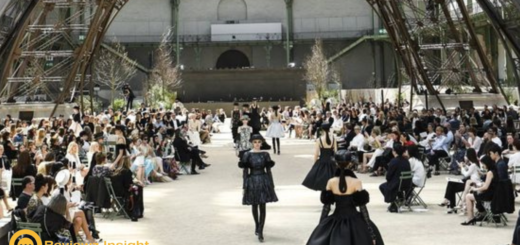
Designers introduce trends through spring/summer (SS) and autumn/winter (AW) fashion shows.
2. Social Media & Influencers
Trends can go viral overnight due to Instagram, TikTok, and celebrity endorsements.
3. Fast Fashion Brands
They popularize micro-trends quickly by producing mass copies of runway items.
4. Climate & Geography
Seasonal trends differ sharply across regions based on temperature and lifestyle.
5. Socio-Economic Conditions
Economic downturns influence minimalism; social optimism fuels maximalism.
These factors shape what becomes a trend and how long it lasts.
Season-by-Season Trend Breakdown
Below is a detailed analysis of trends across seasons—what works, what doesn’t, and why.
1. Spring Fashion Trends
Spring symbolizes renewal. Lighter fabrics, brighter colors, and floral motifs dominate.
What Works
A. Pastel Shades
Lavender, mint, sky blue, peach, and soft yellow consistently trend in spring. Their light, calming tones align with the season’s mood and transition easily into summer.
B. Florals and Nature-Inspired Prints
A classic spring element. They resonate emotionally with the season’s symbolism of rebirth and growth.
C. Lightweight Layers
Cardigans, denim jackets, trench coats, and shrugs offer versatility for shifting temperatures.
D. Breathable Fabrics
Cotton, linen blends, chiffon, and bamboo fabrics provide comfort in rising temperatures.
E. Midi Dresses
They offer a balance between coverage and ventilation, making them a perennial favorite.
What Doesn’t Work
A. Heavy Embellishments
Bulky or overly ornate outfits feel uncomfortable as temperatures rise.
B. Harsh Neons
While sometimes trendy, they often clash with spring’s softer aesthetic.
C. Thick Knitwear
Unsuitable for warming weather, even if trending through late winter.
D. Synthetic Fabrics With Poor Breathability
Increase sweat and discomfort, creating a mismatch with seasonal needs.
2. Summer Fashion Trends
Summer focuses on comfort, heat-friendly materials, light silhouettes, and UV protection.
What Works
A. Cotton and Linen Essentials
Highly breathable, absorbent, and comfortable in hot weather.
B. Casual Chic Styles
Oversized shirts, tank tops, relaxed trousers, and co-ord sets dominate due to ease of movement.
C. Light Colors
White, beige, cream, and light pastel hues reflect heat and create a calm summer aesthetic.
D. Functional Accessories
Bucket hats, sunglasses, hair scarves, and tote bags enhance style while offering utility.
E. Minimalist Footwear
Sliders, espadrilles, and open-toe sandals improve comfort and ventilation.
F. Swimwear Trends
Cut-out swimsuits, high-waist bikinis, and ribbed textures perform well during beach seasons.
What Doesn’t Work
A. Dark Colors
Absorb more heat and feel uncomfortable in high temperatures.
B. Heavy Denim
Retains heat, restricts movement, and lacks breathability.
C. Tight-Fitting Clothing
Bodycon fits often cause overheating and discomfort.
D. Excessive Layering
Impractical for hot climates, even if aesthetically appealing online.
E. Overly Complicated Silhouettes
Complex draping or stiff materials don’t align with light, summer-friendly movement.
3. Autumn/Fall Fashion Trends
Autumn blends warmth and style, with rich colors and layered textures.
What Works
A. Earth Tones
Rust, mustard, olive, burgundy, terracotta—these colors harmonize with nature’s seasonal palette.
B. Layering
Shackets, cardigans, sweaters, scarves, and transitional coats offer temperature control and visual interest.
C. Boots & Leather Accessories
Ankle boots, knee-high boots, and leather belts add structure and sophistication.
D. Knitwear
Soft knits, ribbed sweaters, and knit dresses capture fall coziness.
E. Plaid and Checks
Timeless patterns that evoke classic autumn vibes.
What Doesn’t Work
A. Bright Summer Colors
Fluorescent colors feel discordant with fall’s muted tones.
B. Extremely Thin Fabrics
Don’t offer enough warmth for autumn chill.
C. Overly Dramatic Cuts
Avant-garde silhouettes may feel out of place in a season rooted in comfort and layering.
D. High-Maintenance Materials
Fabrics like pure silk or satin wrinkle easily under layered outfits.
4. Winter Fashion Trends
Winter prioritizes insulation, structure, and bold statement pieces that complement cold-weather aesthetics.
What Works
A. Outerwear Dominance
Wool coats, puffer jackets, trench variations, and faux fur coats serve both function and fashion.
B. Deep, Bold Colors
Emerald, navy, maroon, charcoal, and jewel tones enhance winter style.
C. Knits & Thermals
Chunky sweaters, cable knits, and thermal undershirts pair seamlessly with outerwear.
D. Boots & Structured Footwear
Combat boots, leather boots, and Chelsea boots withstand winter conditions.
E. Layered Textures
Wool, leather, cashmere, fleece, and suede add visual depth and warmth.
What Doesn’t Work
A. Thin Fabrics
Chiffon or organza offer little insulation.
B. Summer Footwear
Sandals and open shoes are functionally unsuitable.
C. Light Summer Colors
Whites and pastels can be used sparingly, but overall winter leans toward deeper tones.
D. Overly Tight Outfits
Restrict mobility when layered.
Why Some Fashion Trends Work and Others Don’t
1. Practicality and Comfort
Trends aligned with climate and comfort succeed. Impractical styles rarely become mainstream.
2. Material Compatibility
Certain fabrics naturally complement seasonal temperatures.
3. Cultural Alignment
Trends that resonate with local traditions, holidays, and lifestyles gain traction.
4. Social Media Momentum
Viral styles may succeed even if impractical, but longevity depends on real-world adaptability.
5. Economic Conditions
Minimalism rises during recessions; maximalism rises during economic booms.
6. Sustainability Awareness
Consumers reject trends involving unethical materials or excessive waste.
Trends That Consistently Work Across Seasons
1. Neutral Color Palettes
Timeless, versatile, and seasonally adaptable.
2. High-Quality Basics
Good denim, cotton tees, tailored trousers, knitwear, and structured jackets remain reliable.
3. Functional Footwear
Sneakers, boots, and comfortable sandals outperform trend-driven extremes.
4. Minimalist Accessories
Simple jewelry, belts, and bags complement all seasons.
5. Sustainable Fabrics
Organic cotton, bamboo, Tencel, and recycled fibers meet consumer demand for eco-friendly choices.
Trends That Frequently Fail
1. Overly Short-Lived Micro-Trends
Fast fashion fads that last weeks fail as consumers become more sustainability-conscious.
2. Designs Imitated Only for Virality
Copycat trends from social media rarely succeed in the real world.
3. Impractical Silhouettes
Exaggerated shapes or restrictive cuts that inhibit movement are often rejected.
4. Over-Embellishment
Heavy sequins or embroidery can feel dated without functional purpose.
5. Extreme Color Experiments
Unnatural neon blends or unusual color blocking rarely sustain consumer interest.
Psychology Behind Seasonal Fashion Choices
1. Seasonal Mood Influence
Colors and fabrics align with emotions—pastels for spring calmness, bold tones for winter strength.
2. Personal Identity Expression
People use fashion to express personality shifts across seasons.
3. Climate-Driven Choices
People instinctively choose comfort-driven fabrics and shapes.
4. Social Signaling
Fashion communicates status, lifestyle, taste, and mood.
How Sustainability Influences Seasonal Trends
Sustainability is reshaping how brands design seasonal collections.
Impact Areas:
1. Slower Trend Cycles
Brands are avoiding disposable trends.
2. Eco-Friendly Materials
Recycled polyester, plant-based leather, and renewable fibers are now common.
3. Transparent Supply Chains
Consumers increasingly expect ethical production practices.
4. Upcycling & Rewearing
Vintage, thrifted, and reworked fashion appeal to conscious buyers.
5. Capsule Wardrobes
Fashion lovers prefer fewer but higher-quality seasonal pieces.
Regional Differences in Seasonal Fashion
Seasonal fashion varies globally:
1. Tropical Countries
- Light fabrics year-round
- Minimal layering
- Bright colors dominate
2. Temperate Countries
- Sharp seasonal wardrobe changes
- Strong layering culture
- Heavy winter clothing
3. Urban vs Rural Areas
Urban centers adopt global trends faster, while rural regions maintain classic styles.
Consumer Trends Shaping Modern Seasonal Fashion
1. Hybrid Work Culture
Comfort-driven fashion like athleisure, smart basics, and casual formals dominate.
2. Gender-Neutral Fashion
Unisex silhouettes, oversized fits, and neutral tones are on the rise.
3. Digital Fashion Influence
Online shopping and virtual influencers heavily influence trend cycles.
4. Personal Styling Preferences
Customization and personalization are growing.
Future of Seasonal Fashion
Below are predicted developments:
1. Climate-Responsive Fashion
Designers will increasingly factor in climate change, making seasonless pieces.
2. Sustainable Innovation
Biodegradable fabrics, plant-based alternatives, and circular fashion will grow.
3. Tech-Enhanced Clothing
Smart fabrics and adaptive wear may appear in mainstream seasonal collections.
4. Reduced Overproduction
Smaller, curated seasonal drops will replace mass collections.
5. Rise of Hyper-Personal Fashion
AI-driven personal styling and sizing customization will expand.
Conclusion
Seasonal fashion trends continue to evolve through cultural influences, climate realities, and digital transformations. What works in seasonal fashion are trends that combine practicality, comfort, aesthetic appeal, and emotional resonance with the time of year. What doesn’t work are trends that are impractical, overly experimental, or disconnected from climatic and cultural realities.
Spring thrives on pastels, florals, and breathable layers. Summer embraces comfort, lightweight fabrics, and minimalist outfits. Autumn finds strength in layering, earth tones, and textured fabrics. Winter highlights outerwear, structured silhouettes, and deep, rich tones. Across all seasons, timeless basics, sustainable materials, and functional styles remain universally successful.
As sustainability and conscious consumption grow, the future of seasonal fashion is likely to lean toward durable, seasonless essentials, innovative materials, and thoughtfully curated wardrobes. With creativity and purpose combined, seasonal fashion will continue to reflect the dynamic relationship between people, culture, nature, and design.
ALSO READ: My Review of Marriages in India: Bahu Rani or Naukrani?