Review of Zero-Sugar Food Products
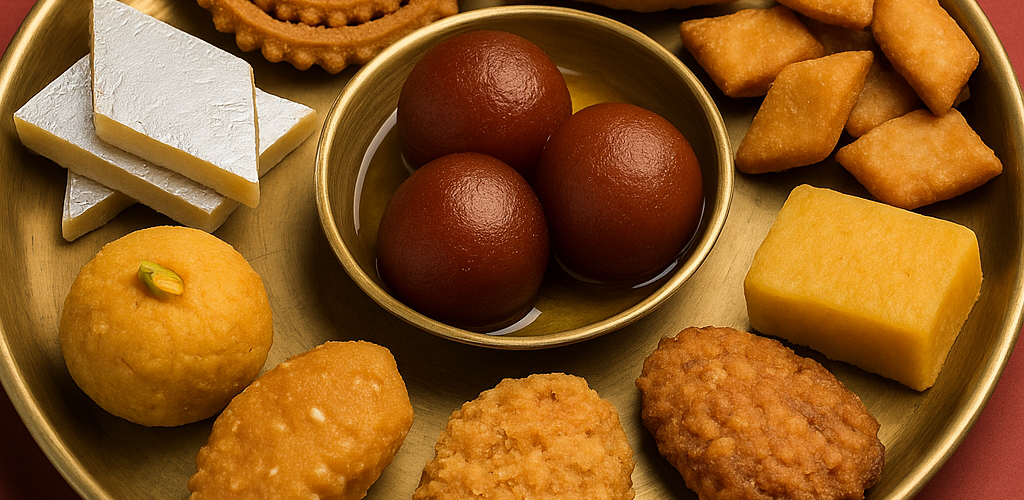
Zero-sugar food products have witnessed a dramatic rise in popularity over the last decade, driven by growing health consciousness, rising cases of diabetes, weight management goals, and increased awareness of the harmful effects of excess sugar consumption. As consumers seek healthier alternatives to conventional sugary foods, food manufacturers have flooded the market with “zero-sugar,” “sugar-free,” and “no-added-sugar” products. These include beverages, snacks, desserts, bakery items, chocolates, dairy products, energy drinks, protein bars, and even zero-sugar variants of traditional sweets.
Despite the surge in demand, confusion persists around how these products are formulated, the safety of artificial or natural sweeteners used, and whether zero-sugar actually equates to healthier. This research-based review examines the science behind zero-sugar products, evaluates the performance of different food categories, analyzes nutritional implications, and discusses benefits, limitations, and future trends.
Understanding Zero-Sugar: Definitions and Standards
Not all “zero-sugar” or “sugar-free” labels mean the same thing. Regulatory bodies have established varying definitions:
1. Sugar-Free
Contains less than 0.5 grams of sugar per serving. These products often rely on artificial or natural sweeteners to replace sugar.
2. No Added Sugar
No sugar is added during manufacturing. However, the product may contain naturally occurring sugars from fruit, milk, or grains.
3. Zero-Sugar
Generally equivalent to sugar-free but often marketed distinctly. Contains negligible or no measurable sugar content.
Understanding these definitions is essential for evaluating product labels and making informed choices.
Ingredients Used in Zero-Sugar Foods
Zero-sugar foods typically depend on sugar substitutes that mimic sweetness. These fall into two broad categories:
A. Artificial Sweeteners
Artificial sweeteners provide intense sweetness without calories. Common examples include:
1. Aspartame
Low-calorie sweetener commonly used in beverages and desserts. Suitable for weight watchers but breaks down at high temperatures, making it unsuitable for baking.
2. Sucralose
One of the sweetest substitutes, stable under heat. Widely used in baked goods and flavored dairy.
3. Acesulfame Potassium (Ace-K)
Often blended with other sweeteners to improve taste profile. Adds sweetness without altering texture.
4. Saccharin
One of the oldest sweeteners; extremely sweet but sometimes criticized for aftertaste.
Pros of Artificial Sweeteners:
- Zero calories
- Do not raise blood sugar levels
- Useful for diabetics
- Long shelf-life
Cons:
- Some have bitter aftertastes
- Overconsumption may affect gut microbiota
- Public skepticism due to historical safety controversies
B. Natural Sweeteners
Natural sweeteners offer cleaner flavor and fewer concerns among health-conscious consumers.
1. Stevia
Plant-derived, zero-calorie sweetener. Very sweet, slightly bitter aftertaste, but widely used in drinks and snacks.
2. Erythritol
A sugar alcohol with low calories and minimal digestive impact compared to other polyols.
3. Monk Fruit Extract
Extremely sweet, no calories, minimal aftertaste, increasingly popular in premium products.
4. Xylitol
Popular in chewing gums and oral-care-related food products. Contains fewer calories than sugar but excessive intake may cause digestive discomfort.
Pros of Natural Sweeteners:
- Plant-derived
- Lower risk of chemical concerns
- Minimal blood sugar impact
Cons:
- Some cause digestive issues
- Costlier for manufacturers
- Flavor profile may not fully mimic sugar
Review of Major Zero-Sugar Food Categories
Different types of foods respond differently to sugar removal. The following sections analyze major product categories.
1. Zero-Sugar Beverages
Zero-sugar drinks are the most widespread category, including sodas, flavored water, juices, iced teas, and energy drinks.
Taste & Texture
Advances in sweetener blends have drastically improved taste, reducing the chemical aftertaste common in early sugar-free beverages. Many brands now use combinations of sucralose, Ace-K, and natural sweeteners to achieve a smooth flavor profile.
Health Considerations
- No calories, beneficial for weight control
- Do not cause blood sugar spikes
- Artificial sweetener safety debates continue but modern research shows moderate consumption poses minimal risk
Strengths
- Widely available
- Effective sugar replacement
- Strong taste replication
Limitations
- Some individuals report bloating from certain sweeteners
- Potential psychological overconsumption (“diet soda effect”)
Overall Assessment
One of the best-performing zero-sugar segments, significant taste improvements make them appealing alternatives.
2. Zero-Sugar Chocolates & Sweets
The challenge with chocolates is maintaining texture and mouthfeel without sugar, which functions not only as sweetener but also as bulking agent.
Taste & Texture
Modern zero-sugar chocolates use erythritol, maltitol, and stevia blends to mimic sugar’s melt and texture. Premium brands achieve notable closeness to real chocolate, though some products still carry a cooling effect from sugar alcohols.
Health Considerations
- Low glycemic index
- Fewer calories
- Some sugar alcohols can cause digestive discomfort
Strengths
- Suitable for diabetics and low-carb lifestyles
- Improved taste varieties (dark, milk, nut-based)
Limitations
- Expensive
- Digestive issues from polyols
- Taste still differs slightly from real sugar chocolates
Overall Assessment
Great for low-carb lifestyles, though not always indistinguishable from traditional chocolates.
3. Zero-Sugar Biscuits, Cookies, and Baked Goods
Replacing sugar in baked items is challenging because sugar affects color, moisture, and texture.
Taste & Texture
Zero-sugar biscuits often taste slightly dry or less caramelized due to reduced Maillard reactions. However, improved formulations using sucralose and allulose have enhanced flavor depth.
Health Considerations
- Lower calories
- Often higher in fats to compensate for lost sweetness and texture
- May use more additives
Strengths
- Good for controlled diets
- Huge product availability
Limitations
- Not always significantly healthier
- Texture may feel denser or drier
Overall Assessment
Promising but quality varies widely among brands.
4. Zero-Sugar Yogurts & Dairy Products
Zero-sugar yogurts have grown due to rising protein-focused diets.
Taste & Texture
Taste quality is generally excellent, especially when paired with fruit flavors. Dairy proteins complement sweeteners well.
Health Considerations
- High protein, low calorie
- Great for weight management
- Clean ingredient lists in many products
Strengths
- One of the most nutritionally balanced zero-sugar categories
- Minimal gastrointestinal side effects
Limitations
- Natural unsweetened options still healthier for purists
Overall Assessment
One of the most successful zero-sugar food categories in terms of both health and taste.
5. Zero-Sugar Protein Bars & Snacks
Protein bars traditionally rely heavily on sweeteners. Zero-sugar bars use stevia, erythritol, or monk fruit to enhance taste.
Taste & Texture
Bars often taste slightly sweet yet dense; some products achieve surprisingly close sugar-like flavor, especially chocolate-coated versions.
Health Considerations
- High protein supporting muscle recovery
- Calorie count still may be high due to fats
- Overconsumption may cause bloating
Strengths
- Ideal for fitness communities
- Wide flavor options
Limitations
- Expensive
- Digestive sensitivity for some consumers
Overall Assessment
Useful for fitness goals, but consumers should monitor ingredients.
6. Zero-Sugar Ice Creams
Sugar plays a crucial role in freezing properties. Removing sugar changes texture and scoopability.
Taste & Texture
High-quality zero-sugar ice creams use allulose, erythritol, or soluble fibers to maintain creaminess. Some still freeze harder than traditional ice creams.
Health Considerations
- Low calorie
- Low glycemic impact
- Possible digestive effects
Strengths
- Reduced calories with satisfying taste
- Increasing availability
Limitations
- Texture varies by brand
- Not ideal for extremely cold storage
Overall Assessment
Surprisingly close to traditional ice cream when formulated well.
7. Zero-Sugar Breakfast Cereals
These products use fiber and natural sweeteners to replicate sweetness.
Taste & Texture
Less sweet than conventional cereals, but crunch remains intact.
Health Considerations
- Often high in fiber
- Lower calories and sugar
- Good for diabetics
Strengths
- Healthier breakfast option
- Easy to incorporate into routine
Limitations
- Not always appealing to children
- Some taste bland
Overall Assessment
Depends heavily on formulation; best suited for health-conscious adults.
Health Impact of Zero-Sugar Products
1. Benefits
- Weight Management: Low-calorie or zero-calorie sweeteners reduce total energy intake.
- Blood Sugar Control: Zero-sugar foods help manage diabetes by minimizing glucose spikes.
- Dental Health: Sugar-free foods do not contribute to cavities.
- Lower Risk of Metabolic Disorders: Reducing sugar intake supports long-term metabolic health.
2. Risks and Concerns
- Gut Health: Excessive use of sugar alcohols may cause gas or bloating.
- Cravings: Artificial sweetness may prolong sugar cravings for some individuals.
- Additives: Zero-sugar foods often rely on stabilizers, thickeners, or artificial flavors.
- Overeating: Psychological compensation can occur—“I can eat more because it’s sugar-free.”
3. Safety of Sweeteners
Most approved sweeteners undergo rigorous safety testing. When consumed in moderation, they pose minimal health risks.
Consumer Trends in 2025
1. Shift to Natural Sweeteners
More consumers prefer stevia, monk fruit, or allulose over artificial sweeteners.
2. High-Protein, Zero-Sugar Combinations
Protein yogurts, protein bars, and shakes dominate the fitness market.
3. Low-Carb and Keto-Friendly Foods
Zero-sugar products align well with low-carb lifestyles.
4. Premium Zero-Sugar Snacks
Gourmet brands offer indulgent flavors in cookies, chocolates, and ice creams.
5. Growth of Zero-Sugar Indian Sweets
Manufacturers are experimenting with zero-sugar laddoos, sandesh, and barfis to support diabetic consumers.
Are Zero-Sugar Foods Truly Healthier?
The answer depends on product composition. Zero-sugar alone does not guarantee healthiness.
Healthier When:
- They replace calories without adding harmful additives
- Natural sweeteners are used
- Whole-food ingredients form the base
Not Healthier When:
- High in unhealthy fats or sodium
- Loaded with artificial additives
- Used to justify overeating
A balanced approach is essential.
Conclusion
Zero-sugar food products play an increasingly important role in modern diets. The market now includes sophisticated formulations that closely mimic the taste and texture of sugar-based foods. While the health benefits are significant—especially for diabetics, weight-watchers, and fitness-oriented consumers—these foods must be chosen wisely.
Understanding labels, sweetener types, and ingredient quality is key. Zero-sugar beverages, yogurts, and chocolates lead in taste and performance, while baked goods and cereals vary more widely. Ultimately, zero-sugar products are beneficial when incorporated into a balanced lifestyle rather than consumed without moderation.
As research progresses and technology evolves, the future of zero-sugar foods looks promising, with cleaner ingredients, improved formulations, and wider availability. Consumers today have more control than ever over their sugar intake, allowing for healthier choices without sacrificing enjoyment.
ALSO READ: Lokkhikantopur Local: A Heartfelt Tale of Lives and Labor