Regretting You Movie Review: A Raw, Emotional Mother-Daughter Tale
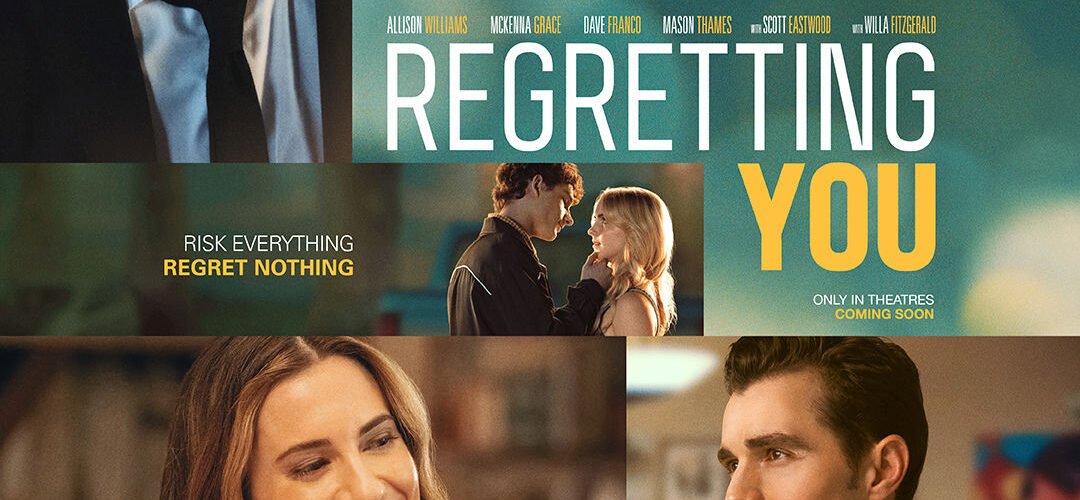
When I walked into the theater to watch Regretting You, I didn’t expect to feel this emotionally conflicted. Adaptations of Colleen Hoover’s novels can be a hit or miss — sometimes deeply affecting, sometimes a little too glossy for their own good. But Josh Boone’s Regretting You tries to walk that delicate line between heartbreak and hope. The result? A film that left me teary, occasionally frustrated, but ultimately moved by its performances and sincerity.
First Impressions
The movie opens with a calm, nostalgic tone — a glimpse into Morgan’s seemingly perfect life. Allison Williams plays Morgan with quiet intensity. She’s a mother who gave up her youth to raise her daughter Clara, played by McKenna Grace. Within the first fifteen minutes, the film sets a comforting rhythm. I could feel the mother-daughter bond, the warmth of a family that seems stable and loving. Then the tragedy hits, and everything falls apart.
That’s when I realized this wasn’t just another melodramatic family drama. Boone pushes the emotions front and center. He doesn’t let you sit back comfortably; instead, he drags you into the chaos of loss, betrayal, and the complicated space between love and regret.
Story and Themes
The story revolves around Morgan and Clara trying to navigate life after a devastating accident. The twist — which I won’t spoil — shatters both of them in different ways. Morgan discovers secrets that make her question everything about her marriage, while Clara faces her own heartbreak and confusion.
What stood out to me most was how real their anger felt. Morgan doesn’t behave like the “perfect mom” trope you usually see. She yells, she breaks down, she isolates herself. Clara isn’t the sweet, understanding daughter either — she lashes out, makes bad decisions, and pushes her mother away. Their relationship feels raw, and at times, painfully recognizable.
I’ve seen so many films where grief becomes background noise. Here, grief takes the driver’s seat. Every argument, every awkward silence between mother and daughter, carries that heavy tension of unspoken pain. Boone captures those moments beautifully. You can feel the sting of every unsent text, every forced dinner conversation.
Performances That Carry the Film
McKenna Grace delivers another brilliant performance — and honestly, she carries a lot of this movie’s emotional weight. I’ve followed her since Gifted and The Handmaid’s Tale, and she just keeps getting better. She brings teenage rage and vulnerability to Clara so naturally that I almost forgot she’s acting. Her scenes with Mason Thames, who plays Miller (Clara’s love interest), sparkle with awkward innocence. Their chemistry feels real — hesitant, youthful, and messy in the best way.
Allison Williams brings quiet power to Morgan. She doesn’t overplay the emotion, which works perfectly for the character. Morgan’s grief feels bottled up, simmering just below the surface, and when it bursts out, it hits hard. There’s one particular scene where she reads an old letter — no dialogue, just her face reacting — and I felt my chest tighten. That’s when I realized how good Williams is at expressing heartbreak through silence.
Dave Franco appears as Jonah, a friend caught in the tangled web of secrets. His performance feels grounded and believable, offering a sense of calm amidst the storm. Scott Eastwood and Willa Fitzgerald round out the cast nicely, even though their screen time is brief.
Overall, every actor plays their part with sincerity. Even when the dialogue feels a little too “movie-like,” the performances sell the emotion.
Direction and Cinematography
Josh Boone’s direction feels familiar to anyone who’s seen The Fault in Our Stars. He loves to linger on faces, sunlight through curtains, and slow-motion flashbacks that feel like fragments of memory. The cinematography by Andrew Dunn captures the emotional landscape beautifully — soft morning light in scenes of hope, deep shadows during moments of pain.
The film moves between two tones: the quiet melancholy of Morgan’s world and the youthful vibrancy of Clara’s. Boone cuts between them like a heartbeat — sometimes steady, sometimes erratic. That contrast works most of the time, but occasionally it feels uneven. I found myself wanting the story to breathe more. Some moments rush by too quickly, especially around the midpoint when the big secret unravels.
Still, the movie looks gorgeous. The color palette — muted blues, browns, and golds — mirrors the emotional transitions perfectly. Even simple shots of coffee cups, text messages, or family photos carry emotional weight.
The Music and Emotional Core
The soundtrack leans into indie-folk tones, much like other Hoover-inspired adaptations. Artists like Phoebe Bridgers and Noah Kahan set the mood for Clara’s chapters, while more somber piano and string arrangements guide Morgan’s perspective. The music doesn’t overpower the story; it quietly underlines it.
There’s a scene near the end — a reconciliation moment between Morgan and Clara — where the score swells just as the dialogue softens. It’s the kind of cinematic moment that sneaks up on you. I found myself crying not because of what they said, but because of the simple way Boone allowed silence and music to do the talking.
This movie understands that regret isn’t always loud. Sometimes it’s just a sigh, a look across the room, or a memory you can’t shake off. That’s where Regretting You succeeds most — in its small, human moments.
What Didn’t Work
The pacing occasionally drags. The first act feels slow but meaningful, while the second act rushes through emotional beats that deserved more room. The film also tries to juggle too many side plots — teenage romance, family drama, grief, forgiveness — and not all of them land with equal weight.
A few lines of dialogue feel too on-the-nose, like the script doesn’t fully trust the audience to grasp the emotion without spelling it out. Some transitions between Morgan’s and Clara’s storylines feel abrupt, breaking the rhythm. I also wanted more focus on Morgan’s internal transformation — her arc feels incomplete by the time the credits roll.
The Audience Reaction
When the credits rolled in my theater, people sat quietly. A few sniffles, a few whispered “that was sad,” and then silence. That says a lot. The film connects emotionally, even if it’s not perfect. It doesn’t rely on dramatic monologues or shock value; it relies on truth — messy, uncomfortable truth about love, loss, and forgiveness.
For readers of Colleen Hoover, the adaptation stays fairly faithful. The major plot points are intact, and Boone captures the tone of the book — sentimental but sincere. For newcomers, it plays as a standalone drama about two women learning to understand each other after everything falls apart.
Final Thoughts
Watching Regretting You felt like watching two hearts learn how to beat again — separately and together. It’s flawed, yes, but honest. I left the theater feeling both drained and strangely comforted. The movie reminded me that regret doesn’t always mean defeat; sometimes it’s the first step toward healing.
This isn’t a film for everyone. If you crave fast pacing or clever plot twists, you’ll probably get restless. But if you love emotionally driven storytelling, character-centered drama, and performances that hit you in the gut, this one will stay with you long after the lights come up.
My Rating
⭐ 8 out of 10
Regretting You delivers a heartfelt, sometimes uneven, but deeply human story. McKenna Grace shines, Allison Williams grounds the emotion, and Josh Boone paints grief with tenderness. It’s not perfect, but it’s sincere — and that sincerity makes all the difference.
Also Read – Amazon Has the Worst Customer Service Because…