7-Day Korean Skincare Challenge: Does It Really Work?
I gave in to the hype. After months of scrolling through glowing selfies and skincare shelfies all over Instagram and TikTok, I finally decided to test the 7-Day Korean Skincare Challenge myself. My skin had gone through a rough patch thanks to stress, long working hours, and way too much coffee. So when I saw influencers raving about the visible transformation in just one week, I thought, “Why not?”
Armed with a fresh 10-step Korean skincare kit and cautious optimism, I committed to this week-long journey. I followed every step religiously—morning and night—and tracked how my skin responded each day.
Here’s the no-fluff, honest breakdown of what happened.
Day 1: The Start of Something New (and Slippery)
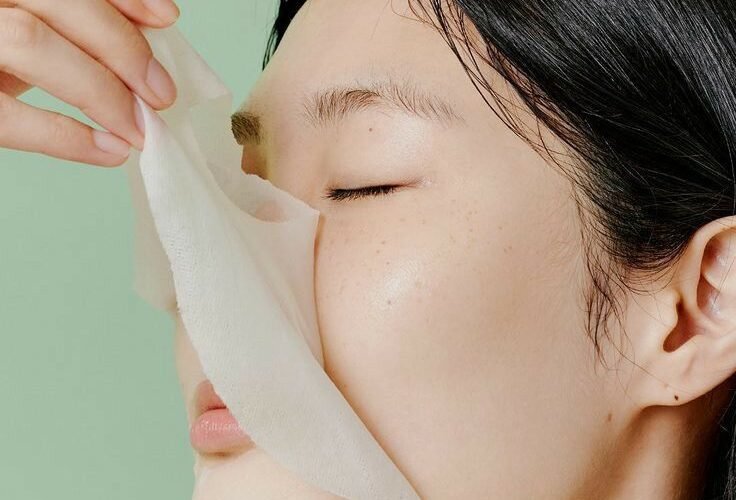
I kicked off the challenge with a double cleanse: an oil-based cleanser followed by a water-based foaming one. My skin instantly felt squeaky clean. Then I layered on a gentle toner, essence, serum, sheet mask, eye cream, moisturizer, and sunscreen. That’s ten steps if you count every single one—and yes, it felt excessive.
My skin soaked it all up, surprisingly without any irritation. It looked shiny—not the greasy kind, more like glazed-donut shiny. I went to bed wondering if my pores would protest overnight.
They didn’t. Not yet.
Day 2: Glow or Grease?
I woke up and ran to the mirror. My skin looked… the same. No miracles yet, but no breakouts either. I noticed some hydration, especially around my cheeks, which usually feel dry in the morning.
The routine took me about 25 minutes again. I didn’t enjoy standing in the bathroom so long, but my skin definitely felt more “plump.” The essence felt like silk. My moisturizer locked everything in, and my SPF didn’t pill on top—huge win.
However, my forehead felt slightly oily by afternoon. I guess my skin needed time to adjust.
Day 3: Is That a Tiny Breakout?
On day three, I noticed a few tiny bumps on my jawline. I panicked, but reminded myself that skin purging can happen when you introduce new active ingredients.
I scanned the ingredient list of my serum and spotted niacinamide and snail mucin. Both are common in Korean skincare and generally non-irritating. So, I reduced the serum quantity slightly during the night routine. I also replaced the daily sheet mask with a calming aloe mask.
Despite the bumps, my skin still looked fresh. The under-eye area appeared less puffy, probably thanks to consistent eye cream use.
Day 4: Turning a Corner
My skin began adjusting. The bumps didn’t worsen. In fact, they faded slightly overnight. I drank more water, cut down on sugar, and focused on sleep to help the products work.
My favorite part of the routine became the toner-essence combo. The toner balanced my skin after cleansing, and the essence felt cooling and soothing. I noticed my foundation glided on more smoothly that morning. I even skipped primer for the first time in months.
The texture of my skin—especially around the nose and chin—started to look more refined.
Day 5: Hydration Nation
I couldn’t believe how soft my skin felt. I didn’t use any exfoliants during this challenge, but my skin still looked smoother than usual. My forehead bumps completely disappeared, and even the redness around my nose toned down.
I spent the evening outside in windy weather, and usually that leaves my skin dry. But thanks to the moisturizing layers, my face stayed comfortable all night.
The only downside? Time. Ten steps twice a day took discipline. If you’re a lazy skincare person, prepare to commit.
Day 6: A Real Glow-Up
My skin started to glow—no filter needed. I noticed it most when I stood near natural light. My cheekbones reflected a soft sheen, and I didn’t need highlighter at all.
The dark spots on my cheek from old breakouts began to fade ever so slightly. I didn’t expect such results in just six days, but the consistent layering of nourishing ingredients clearly made a difference.
I skipped makeup altogether that day. Just sunscreen and a lip tint. It felt freeing.
Day 7: Final Day, Final Thoughts
On the last day, I followed the full routine again. I used a brightening sheet mask and sealed everything in with my favorite night cream. Before bed, I touched my face and marveled at how hydrated it felt—even after seven days of double cleansing.
The mirror confirmed it. My skin tone looked more even, and the dullness had completely vanished. The texture looked smoother, pores appeared smaller, and my face felt firm and calm.
Did I transform into a K-drama star overnight? No. But did my skin improve in visible, tangible ways? Absolutely.
What I Loved
- Hydration – Layering lightweight hydrating products gave my skin the moisture it had been craving.
- Texture – My skin felt smoother, looked brighter, and became more even-toned.
- Relaxation – The routine forced me to slow down and treat skincare as self-care.
What I Didn’t Love
- Time Commitment – Ten steps, twice a day, gets exhausting. I had to wake up earlier and stay up later just to complete it.
- Minor Breakouts – My skin purged briefly. While that’s normal, it can scare off first-timers.
- Expense – Korean skincare is affordable individually, but buying the whole set at once adds up.
Would I Recommend It?
Yes—but with a few caveats. The 7-Day Korean Skincare Challenge works if you stay consistent, choose the right products for your skin type, and manage your expectations. It won’t erase wrinkles or acne scars in one week, but it will make your skin look healthier and more radiant.
For oily skin, opt for lightweight formulas. For dry skin, lean into thicker moisturizers and hydrating masks. And if you’re sensitive, patch-test everything before you begin.
My Skincare Plan Going Forward
I won’t keep all ten steps daily—let’s be honest, life gets in the way. But I’ll definitely stick with the double cleansing, toner, essence, serum, and SPF as my non-negotiables.
Sheet masks, ampoules, and night creams will rotate based on how my skin feels. That’s the beauty of Korean skincare—it’s customizable.
The 7-day challenge didn’t just improve my skin. It changed how I treat my skin: not as an afterthought, but as something worth investing time in.
So, does it work? It does—if you work with it.