
Complete Guide to Mental Health Conditions Explained
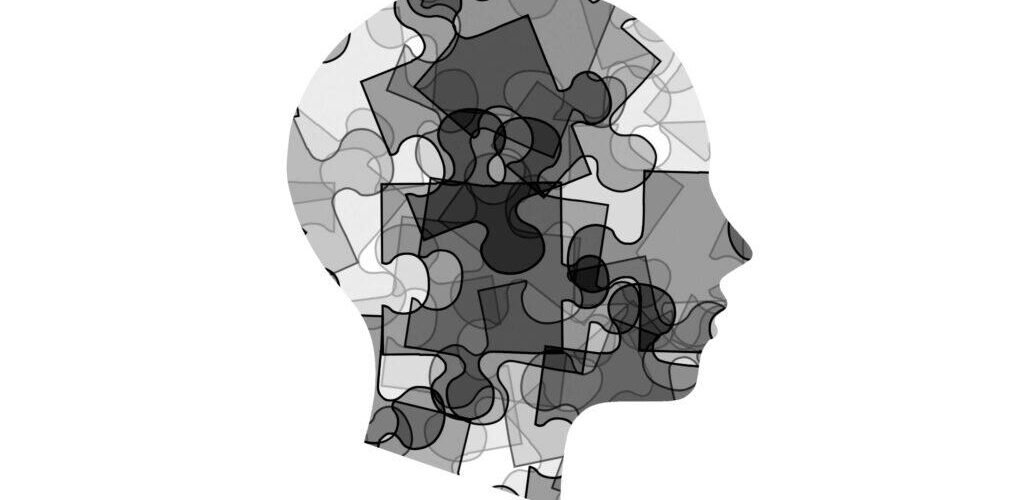
Mental health conditions affect how a person thinks, feels, and behaves. Every person experiences stress or sadness at times, but mental conditions go deeper and last longer. These conditions can disturb daily life, relationships, and decision-making.
Mental health does not stay fixed. It changes based on life events, environment, and physical health. Understanding different types of mental conditions helps people recognize symptoms early and seek proper care.
Anxiety Disorders
Anxiety disorders create strong fear, worry, or nervousness. These feelings may appear without clear reason or become too intense compared to the situation. People with anxiety often feel restless and struggle to relax.
Generalized Anxiety Disorder causes constant worry about everyday situations like work, health, or family. The mind keeps thinking about worst-case outcomes, even when no real danger exists.
Panic Disorder leads to sudden panic attacks. These attacks include fast heartbeat, sweating, chest pain, and fear of losing control.
Social Anxiety Disorder creates fear of social situations. A person may avoid speaking in public or meeting new people due to fear of judgment.
Anxiety disorders often affect sleep, focus, and physical health. People may also experience headaches, muscle tension, and fatigue.
Mood Disorders
Mood disorders mainly affect emotional state. These conditions bring long-lasting sadness or extreme mood changes.
Depression causes deep sadness, low energy, and loss of interest in daily activities. A person may struggle to get out of bed or feel hopeless about the future. Appetite and sleep patterns often change.
Bipolar Disorder involves extreme mood swings. A person moves between high-energy phases (mania) and low-energy phases (depression). During mania, a person may feel overly confident, talk fast, and take risky decisions.
Mood disorders affect work performance, relationships, and physical health. Without treatment, symptoms may become severe over time.
Psychotic Disorders
Psychotic disorders affect how a person understands reality. These conditions disturb thinking, perception, and awareness.
Schizophrenia stands as the most known psychotic disorder. A person may hear voices, see things that others do not see, or believe ideas that do not match reality.
Disorganized thinking often appears. Speech may become unclear, and behavior may seem unusual. Daily functioning becomes difficult without support.
Psychotic disorders require medical care and long-term management. Early treatment helps reduce symptoms and improve quality of life.
Eating Disorders
Eating disorders involve unhealthy eating habits and strong concern about body image. These conditions affect both mental and physical health.
Anorexia Nervosa causes extreme restriction of food intake. A person may see themselves as overweight even when underweight. This condition can lead to serious health risks.
Bulimia Nervosa includes cycles of overeating followed by purging. A person may use vomiting or excessive exercise to control weight.
Another common condition, binge eating disorder, involves eating large amounts of food without control, often followed by guilt.
Eating disorders can damage the heart, digestive system, and bones. Emotional distress also increases.
Personality Disorders
Personality disorders involve long-term patterns of thinking and behavior. These patterns affect relationships and self-image.
Borderline Personality Disorder causes intense emotions and unstable relationships. A person may fear abandonment and experience rapid mood changes.
Narcissistic Personality Disorder creates a strong need for admiration. A person may feel superior to others and lack empathy.
Other personality disorders include avoidant, antisocial, and obsessive-compulsive personality patterns. Each type affects behavior and interactions in unique ways.
These conditions often begin in early adulthood and continue over time.
Trauma and Stress-Related Disorders
Trauma-related conditions develop after stressful or shocking events. These events may include accidents, violence, or loss.
Post-Traumatic Stress Disorder causes flashbacks, nightmares, and intense fear. A person may relive the traumatic event again and again.
Triggers such as sounds or places may bring back painful memories. Sleep problems and emotional numbness often occur.
Adjustment disorders also fall in this category. These involve difficulty coping with major life changes like job loss or relocation.
Neurodevelopmental Disorders
Neurodevelopmental disorders begin during childhood. These conditions affect brain development, learning, and behavior.
Autism Spectrum Disorder affects communication and social interaction. A person may prefer routines and show limited eye contact.
Attention Deficit Hyperactivity Disorder causes difficulty in focus, impulsive actions, and high energy levels. A person may struggle to complete tasks or stay organized.
Learning disorders also belong to this group. These affect reading, writing, or math skills.
Early support helps children develop better coping skills and improve daily functioning.
Substance Use Disorders
Substance use disorders involve dependence on alcohol, drugs, or other substances. A person continues use despite harmful effects.
Substance Use Disorder affects brain function and behavior. Cravings become strong, and control over use decreases.
Substance use can damage physical health, relationships, and finances. Withdrawal symptoms may include anxiety, sweating, and nausea.
Recovery often requires medical treatment, therapy, and support systems.
Obsessive-Compulsive and Related Disorders
Obsessive-compulsive conditions involve repeated thoughts and behaviors.
Obsessive-Compulsive Disorder includes unwanted thoughts (obsessions) and repeated actions (compulsions). A person may check locks many times or wash hands repeatedly.
These behaviors aim to reduce anxiety but often take up a lot of time. Daily life becomes difficult due to these repeated actions.
Related conditions include hoarding disorder and body dysmorphic disorder.
Sleep Disorders
Sleep disorders affect the ability to sleep properly. Poor sleep impacts both mental and physical health.
Insomnia involves difficulty falling or staying asleep. Sleep apnea causes breathing interruptions during sleep. Narcolepsy leads to sudden sleep episodes during the day.
Lack of sleep reduces focus, memory, and emotional balance. Long-term sleep problems may worsen other mental conditions.
Conclusion
Mental health conditions come in many forms, but each condition affects life in serious ways. Early awareness plays a key role in managing symptoms. Support from family, therapy, and medical care helps people live better lives.
Mental health deserves the same attention as physical health. Understanding these conditions creates empathy and encourages timely action.
Also Read – My Trip to Amritsar: A Soulful Travel Experience Guide