
Middle East War Now: Impact, Oil, Markets & Global Risk
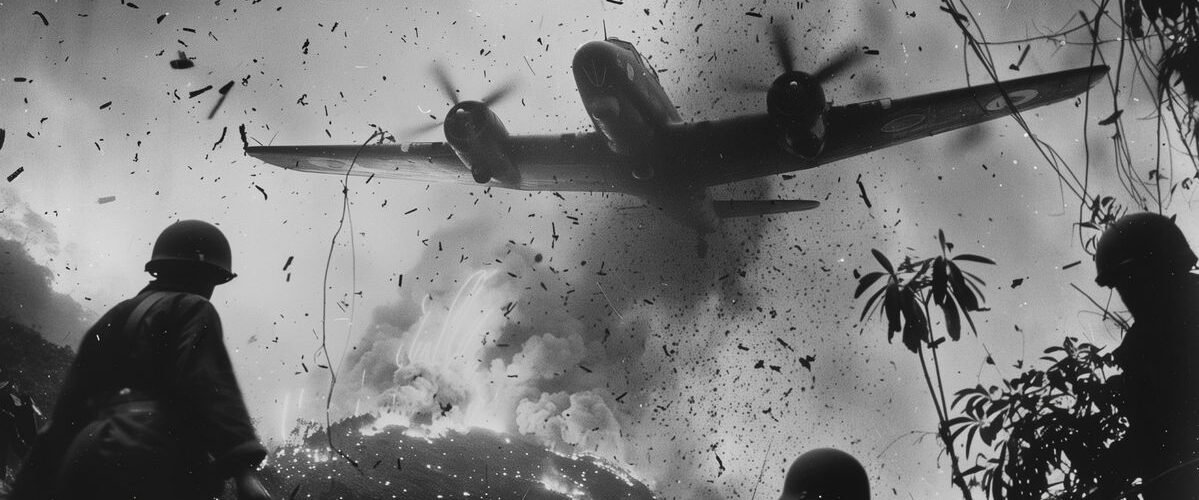
The world faces one of the most consequential political and military crises of the decade. In late February 2026, the United States and Israel launched coordinated military strikes deep inside Iran — a bold and historically rare offensive targeting military sites, nuclear infrastructure and Iran’s leadership. These strikes shattered a long-standing uneasy balance in the Middle East and triggered an intense wave of retaliation that now reverberates across the region and around the world.
The Flashpoint: Operation Lion’s Roar and Iran’s Response
On February 28, 2026, Israeli and U.S. forces launched a major assault known as Operation Lion’s Roar, hitting multiple Iranian cities and strategic facilities. Iranian Supreme Leader Ayatollah Ali Khamenei died in the strikes, a seismic event in Iranian politics and a dramatic escalation in the confrontation.
Iran responded within hours. Its Revolutionary Guard Corps fired missiles and drones at Israel and U.S. military bases in Gulf Arab states, including Kuwait, Bahrain, Qatar and the UAE. These attacks hit military installations, regional airports and even commercial infrastructure in at least nine countries.
The violence didn’t stop there. Iran-backed militias joined the fight, launching missile salvos at Israel while Iran’s allied group Hezbollah fired rockets across the Israel-Lebanon border. Israel hit Hezbollah positions in Beirut and the Bekaa Valley with heavy airstrikes, killing dozens and forcing evacuations in northern Israel and Lebanon.
These developments mark a rapid shift from isolated strikes to an expanding Middle East war involving direct state combat and regional proxies.
Geopolitical Dynamics and Alliances
The current crisis reinforces deep rifts in global diplomacy.
United States and Israeli unity stands at the heart of the offensive, with Washington and Tel Aviv citing Iran’s nuclear ambitions and long-range missile capabilities as core threats. Their coordinated action reflects years of escalating tensions often expressed through proxy conflicts and intermittent skirmishes.
Iran’s allies, including Hezbollah, acted swiftly. Hezbollah’s attacks from Lebanese territory show how proxy forces can widen localized conflicts into broader regional confrontations.
Major powers have begun staking out positions. Russia condemned the U.S.-Israeli strikes diplomatically, while European nations like Germany and Greece pursue varied responses, balancing alliance obligations with concerns about escalation.
Beyond governments, domestic repercussions have already surfaced. In France, authorities placed security forces on high alert after airstrikes on Iran, anticipating protests and potential unrest linked to the international conflict.
The Strait of Hormuz: A New Economic Pressure Point
A critical element of this crisis centers on the Strait of Hormuz, a narrow maritime chokepoint through which roughly 20 % of global crude oil and gas supplies pass.
Iran’s military has threatened to disrupt or even halt traffic through Hormuz in response to the attacks. Although it has not fully blocked the route, recent incidents — including attacks on tankers and increasing avoidance of the strait by shipping companies — have effectively paralyzed transit in parts of the region.
This kind of strategic disruption matters deeply. Many Asian and European economies depend on Middle Eastern energy, and even a partial bottleneck drives price volatility and inflationary pressures.
Energy Markets React Wildly
Financial markets have responded swiftly. Global oil prices surged with unprecedented speed:
- Brent crude climbed as much as 13 %, reaching multi-year highs as shipping disruption fears mounted.
- West Texas Intermediate and other benchmarks also jumped sharply.
- Gold, a traditional safe-haven asset, surged dramatically as investors braced for uncertainty.
Analysts warn that $100+ per barrel crude is no longer unrealistic if tensions persist or if Hormuz traffic faces sustained disruption.
Global stock markets reacted with volatility and risk-off sell-offs. European indices and Asian benchmark stocks fell as traders re-priced geopolitical risk and reduced exposure to risk assets.
Even natural gas has faced sharp price jumps, reflecting fear of broader energy supply constraints.
Global Economic Growth and Inflation Risks
The ripple effects go beyond energy markets. Higher crude prices lift fuel costs worldwide, which in turn increase transportation, manufacturing and consumer prices, squeezing economic growth and complicating central bank policy.
For countries like India, heavy reliance on oil imports means inflation and trade-balance pressures could rise sharply. Nearly half of India’s crude passes through the Strait of Hormuz, so any extended disruption could force importers to pay premium prices or seek alternate routes.
Economists now warn of slower growth trajectories for emerging markets as energy costs add to existing global inflationary risks. Even if production boosts by groups like OPEC+ partially offset supply gaps, markets remain vulnerable to supply chain disruptions and geopolitical premium surges on crude prices.
Military Momentum and Future Risks
This conflict carries broad strategic implications:
1. Regional Escalation
The direct involvement of militia groups, allied states and movements like Hezbollah shows the risk of local wars expanding into multi-national confrontations. The linkages between Iranian forces, non-state actors and neighboring governments create many pathways for conflict to spread further.
2. Domestic Political Effects
War rallies can strengthen national governments in the short term. In Israel, broad national support emerged quickly behind the operation, uniting political factions and elevating security narratives ahead of internal political contests.
In contrast, some European states grapple with public protest polarization triggered by the conflict, heightening political fragility at home.
3. Diplomatic Strains
Efforts to de-escalate remain fragile at best. Iran’s leadership currently rejects negotiation, insisting on resistance and retaliation, while the U.S. and Israel stay focused on military objectives and national security imperatives.
This stalemate leaves diplomatic avenues narrow and raises the specter of prolonged confrontation.
What Comes Next? A World on Alert
In just a matter of days, geopolitical conflict in the Middle East has transformed from regional tension to a complex, multi-front war with global economic ramifications. The conflict tests international alliances, challenges global energy security, and injects fresh uncertainty into markets and diplomatic circles.
Countries far from the region now watch closely as economic pressures mount, financial markets swing, and strategic alignments shift. The most critical question remains: Can diplomatic channels reopen before the economic and human costs spiral further?
The world is paying attention — and every escalation or truce has worldwide consequences.
Also Read – Top 10 Healthy Breakfast Cereals