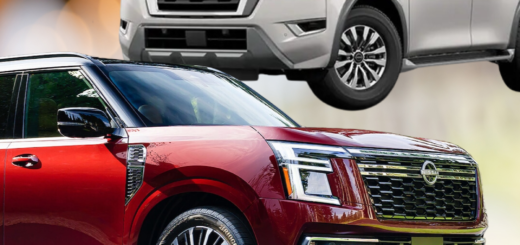
Sedan vs SUV – Which Is Better for Families?
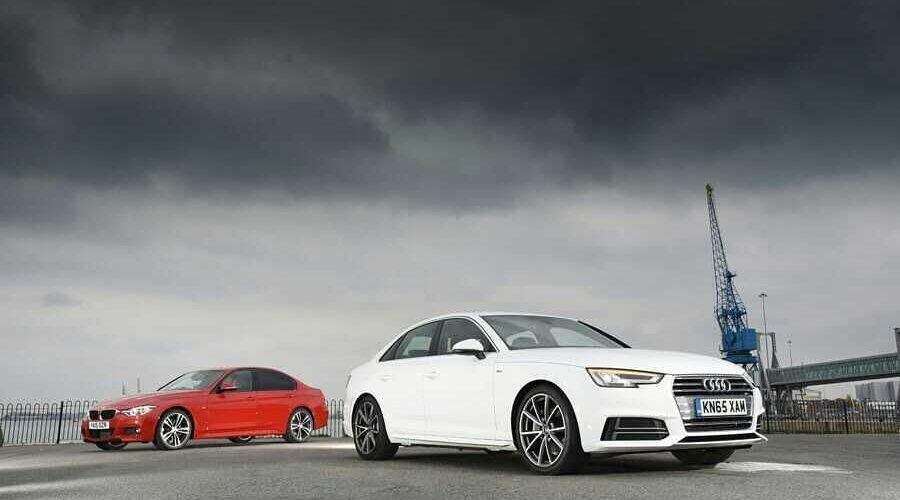
Choosing a family car feels like a big decision because it shapes daily routines, road trips, school runs, and weekend adventures. Many families narrow their options to two main body styles: the sedan and the SUV. Each offers unique strengths, and each fits different lifestyles.
Let’s explore how sedans and SUVs compare in safety, space, fuel efficiency, cost, comfort, and practicality—so you can confidently decide what works best for your family.
What Defines a Sedan?

4
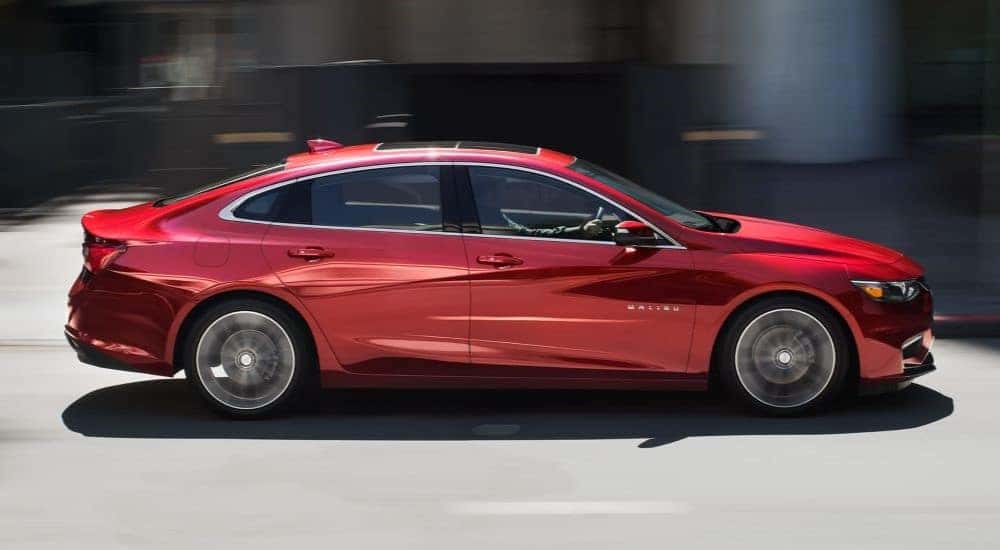
A sedan features a lower profile, four doors, and a separate trunk. Popular family-friendly models include the Toyota Camry and the Honda Accord.
Sedans typically offer:
- Comfortable seating for five
- Smooth, stable handling
- Better fuel efficiency
- Lower purchase price compared to many SUVs
Families who prioritize daily commuting, urban driving, and budget-conscious ownership often gravitate toward sedans.
What Defines an SUV?


4
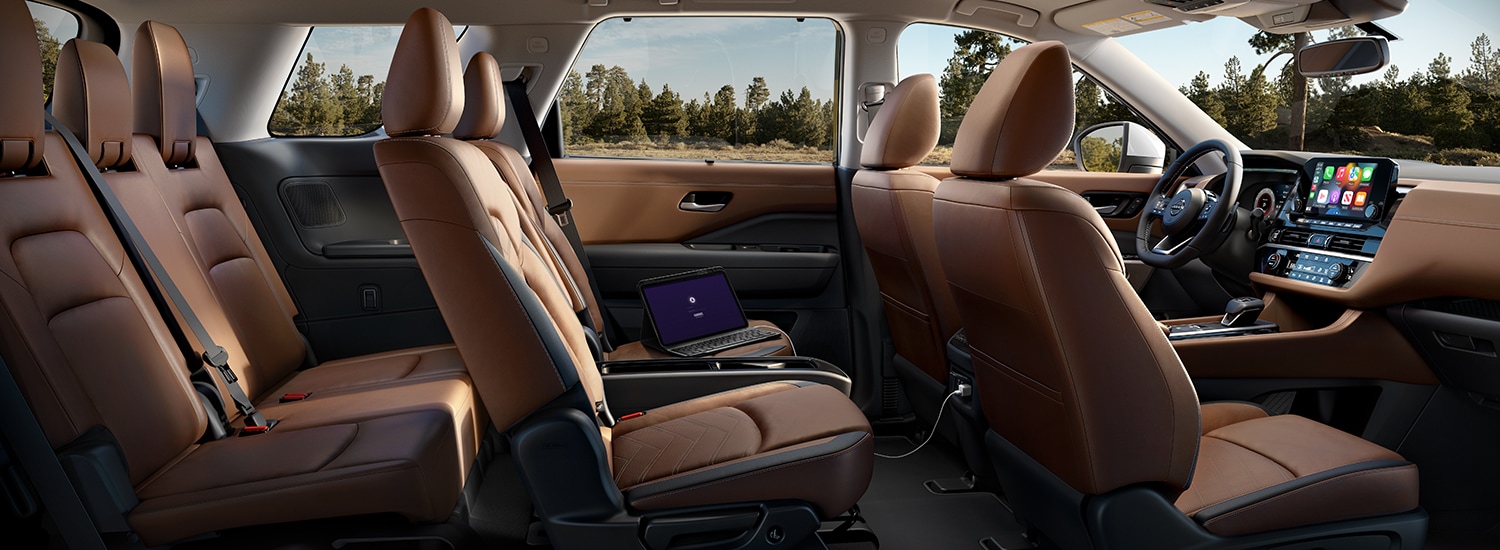
SUV stands for Sport Utility Vehicle. These vehicles provide a taller ride height, flexible cargo space, and available all-wheel drive. Family favorites include the Toyota RAV4 and the Honda CR-V.
SUVs typically offer:
- Higher seating position
- Larger cargo areas
- Optional third-row seating (in midsize and large models)
- Greater towing capacity
Families who need extra space or travel in varying weather conditions often prefer SUVs.
1. Safety: Which Feels More Secure?
Safety sits at the top of every parent’s list.
SUVs provide a higher driving position, which gives drivers better visibility over traffic. Many parents appreciate that elevated view because it builds confidence on busy roads. Larger SUVs also offer more physical mass, which can help during certain types of collisions.
Sedans, however, often deliver excellent crash test ratings. Their lower center of gravity reduces rollover risk compared to taller SUVs. Modern sedans also include advanced safety features such as:
- Automatic emergency braking
- Blind-spot monitoring
- Lane-keeping assist
- Adaptive cruise control
Both body styles now include similar safety technologies. The real difference often comes down to size and driving style. Families who value stability and maneuverability may prefer sedans. Families who value visibility and vehicle height may lean toward SUVs.
2. Interior Space and Seating
Space plays a major role in family comfort.
Sedan Space
Sedans provide enough room for small to medium families. Rear seats accommodate car seats, though installation may feel tighter in compact models. The trunk offers decent space for groceries, sports gear, or a stroller, but it cannot match the flexibility of an SUV.
For families with one or two young children, a midsize sedan usually provides sufficient legroom and trunk capacity.
SUV Space
SUVs shine in this category. Many models offer:
- Split-folding rear seats
- Large cargo areas
- Third-row seating in midsize and large versions
Parents who juggle multiple car seats, pets, and bulky equipment often appreciate the extra breathing room. If your family frequently takes road trips or carpools with other children, an SUV delivers more flexibility.
3. Fuel Efficiency and Running Costs
Fuel costs add up quickly for families who drive daily.
Sedans generally achieve better fuel economy because of their lighter weight and aerodynamic shape. Families who commute long distances can save significantly on fuel with a sedan.
SUVs consume more fuel, especially larger models with all-wheel drive. However, compact SUVs have improved dramatically in efficiency. Hybrid versions of both sedans and SUVs now offer excellent mileage.
Beyond fuel, sedans usually cost less to purchase and insure. Tires and maintenance often cost less as well. Families who want to minimize monthly expenses often choose sedans for this reason.
4. Driving Experience and Comfort
Sedan Driving Feel
Sedans deliver smooth handling and a car-like ride. Their lower stance reduces body roll, which improves stability around corners. Parking feels easier due to smaller size and tighter turning radius.
City families often appreciate how easily a sedan fits into narrow parking spaces and garages.
SUV Driving Feel
SUVs provide a commanding view of the road. Many drivers feel more confident with that higher vantage point. Modern SUVs also ride smoothly, especially crossovers built on car platforms.
However, larger SUVs can feel bulky in tight urban environments. If you live in a dense city, you may find maneuvering and parking more challenging.
5. Weather and Terrain Capability
Climate and geography matter.
SUVs often offer all-wheel drive or four-wheel drive. Families in snowy or rural areas benefit from that extra traction. Higher ground clearance also helps on rough roads or during heavy rain.
Sedans handle most paved-road conditions well, especially with quality tires. However, they may struggle in deep snow or off-road settings.
If your family enjoys camping trips or lives in an area with harsh winters, an SUV may provide extra peace of mind.
6. Cargo and Lifestyle Needs
Think about your weekly routine.
Do you transport sports equipment, musical instruments, or large grocery hauls? Do you travel with a dog crate or baby stroller?
SUVs accommodate bulky items more easily because they combine passenger and cargo space in one large cabin. Fold the rear seats, and you gain a flat loading area.
Sedans limit cargo to the trunk. While many trunks hold impressive volume, the fixed opening can restrict larger items.
For families who lead active lifestyles, SUVs offer more versatility.
7. Budget Considerations
Family budgets require careful planning.
Sedans typically:
- Cost less upfront
- Deliver better fuel economy
- Offer lower maintenance expenses
SUVs typically:
- Cost more initially
- Consume more fuel
- Provide higher resale value in some markets
If your priority centers on affordability and efficiency, a sedan makes strong financial sense. If your priority centers on flexibility and space, an SUV may justify the higher price.
Which Is Better for Your Family?
There is no universal winner—only the best match for your lifestyle.
Choose a sedan if you:
- Have a small to medium family
- Commute frequently
- Prioritize fuel efficiency
- Live in a city
- Want lower ownership costs
Choose an SUV if you:
- Have three or more children
- Need third-row seating
- Travel often
- Drive in snow or rural areas
- Carry bulky cargo regularly
Final Thoughts
Both sedans and SUVs serve families well in today’s market. Automakers now equip both with advanced safety features, comfortable interiors, and smart technology.
Your decision should reflect your family’s size, driving habits, climate, and budget. Take time to test drive both options. Load the trunk. Install a car seat. Imagine daily routines.
The best family vehicle supports your life without adding stress. Whether you choose the efficiency of a sedan or the versatility of an SUV, focus on what makes your family feel comfortable, safe, and confident on the road.
Also Read – Are Electric Scooters Worth It for City Travel?