Are Electric Scooters Worth It for City Travel?
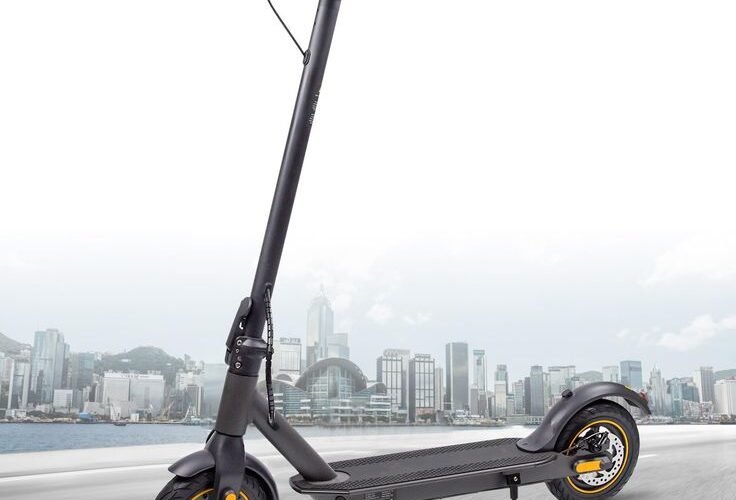
Cities never slow down. Traffic fills the streets, buses run late, and parking drains both time and money. Many commuters now look for smarter ways to move through crowded neighborhoods. Electric scooters promise speed, flexibility, and lower costs. But do they truly deliver enough value for daily city travel?
Let’s explore the real advantages, the limitations, and the situations where an electric scooter makes perfect sense.
What Makes Electric Scooters So Popular?
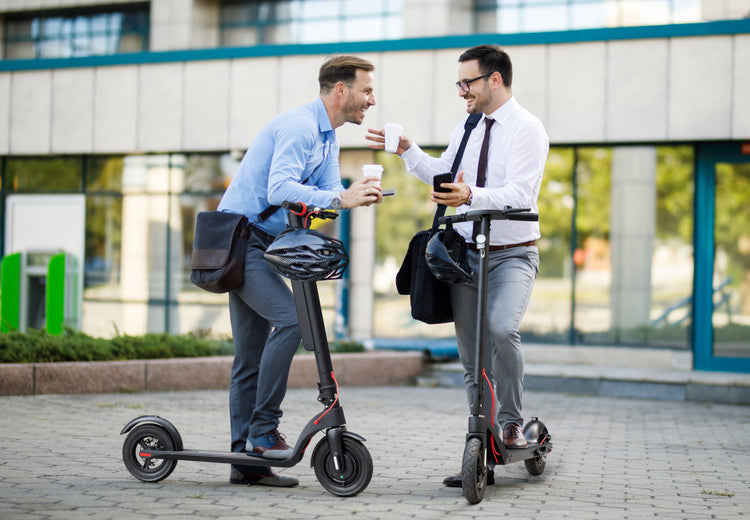
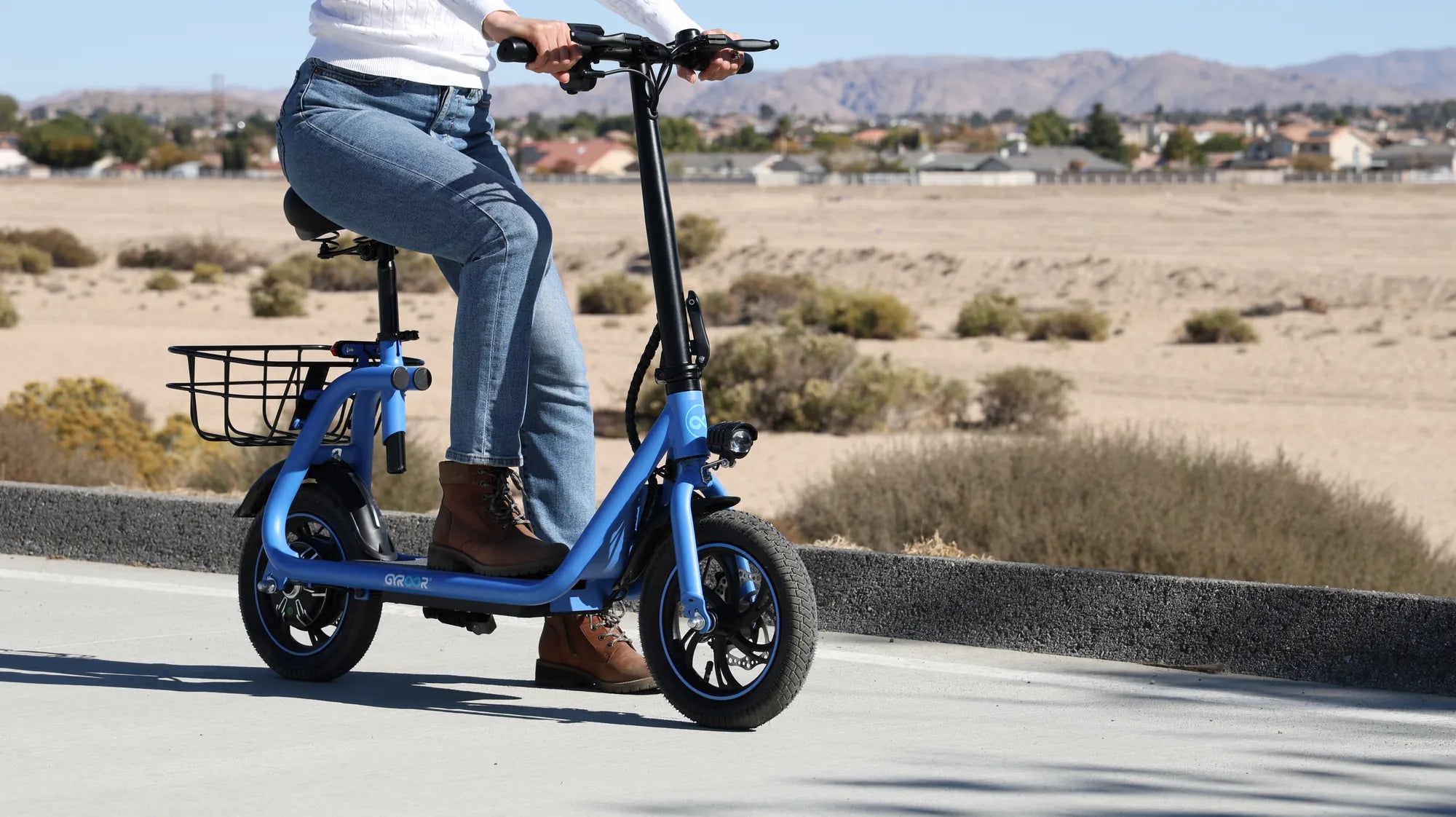
Electric scooters changed urban mobility over the last decade. Riders appreciate how easily they move through traffic and narrow streets. You can zip past gridlock and avoid long waits for public transportation.
Several factors fuel their popularity:
- Quick acceleration for short trips
- Compact size for crowded streets
- Foldable design for easy storage
- Minimal physical effort compared to bicycles
Many modern scooters reach speeds between 15–25 mph. That speed works well for most city commutes under five miles. You skip congestion while maintaining control.
Young professionals, students, and remote workers now choose scooters for daily errands and commuting. The convenience feels immediate once you try one.
Cost: Do Electric Scooters Save Money?
Cost plays a major role in any transportation decision. Electric scooters often cost between $300 and $1,500 depending on build quality, battery size, and motor power.
Upfront Investment
The initial price may seem high compared to a bus pass. However, you avoid recurring costs like:
- Gas
- Parking fees
- Public transit tickets
- Ride-sharing fares
If you currently spend $5–15 per day on commuting, you could recover your scooter investment within a year.
Operating Costs
Electric scooters use very little electricity. A full charge often costs only a few cents. Maintenance also stays relatively low. You may need occasional tire replacements, brake adjustments, or battery servicing after a few years.
Compared to owning a car, scooters dramatically reduce transportation expenses.
Time Efficiency in Urban Areas
City commuters value time more than anything. Electric scooters shine in short-distance travel.
For trips under five miles, scooters often beat cars during rush hour. You avoid:
- Parking searches
- Traffic lights in heavy lanes
- Long bus transfer times
You can park a scooter directly at your destination. Many models fold quickly, allowing you to carry them indoors.
However, scooters do not replace longer-distance transportation. Rain, snow, and extreme heat also limit usability in some cities.
If you combine a scooter with public transit, you create a powerful hybrid commuting system. You ride to the train station, fold the scooter, and finish the last mile at your destination.
Environmental Impact
Electric scooters produce zero tailpipe emissions. They reduce reliance on fossil fuels for short urban trips. If many commuters switch from cars to scooters, cities could reduce congestion and improve air quality.
Battery production still carries environmental costs. However, scooters use significantly fewer raw materials compared to cars or even electric vehicles.
For short daily trips, scooters represent one of the most energy-efficient transportation options available today.
If you care about sustainability, an electric scooter supports a greener commuting lifestyle.
Convenience and Portability
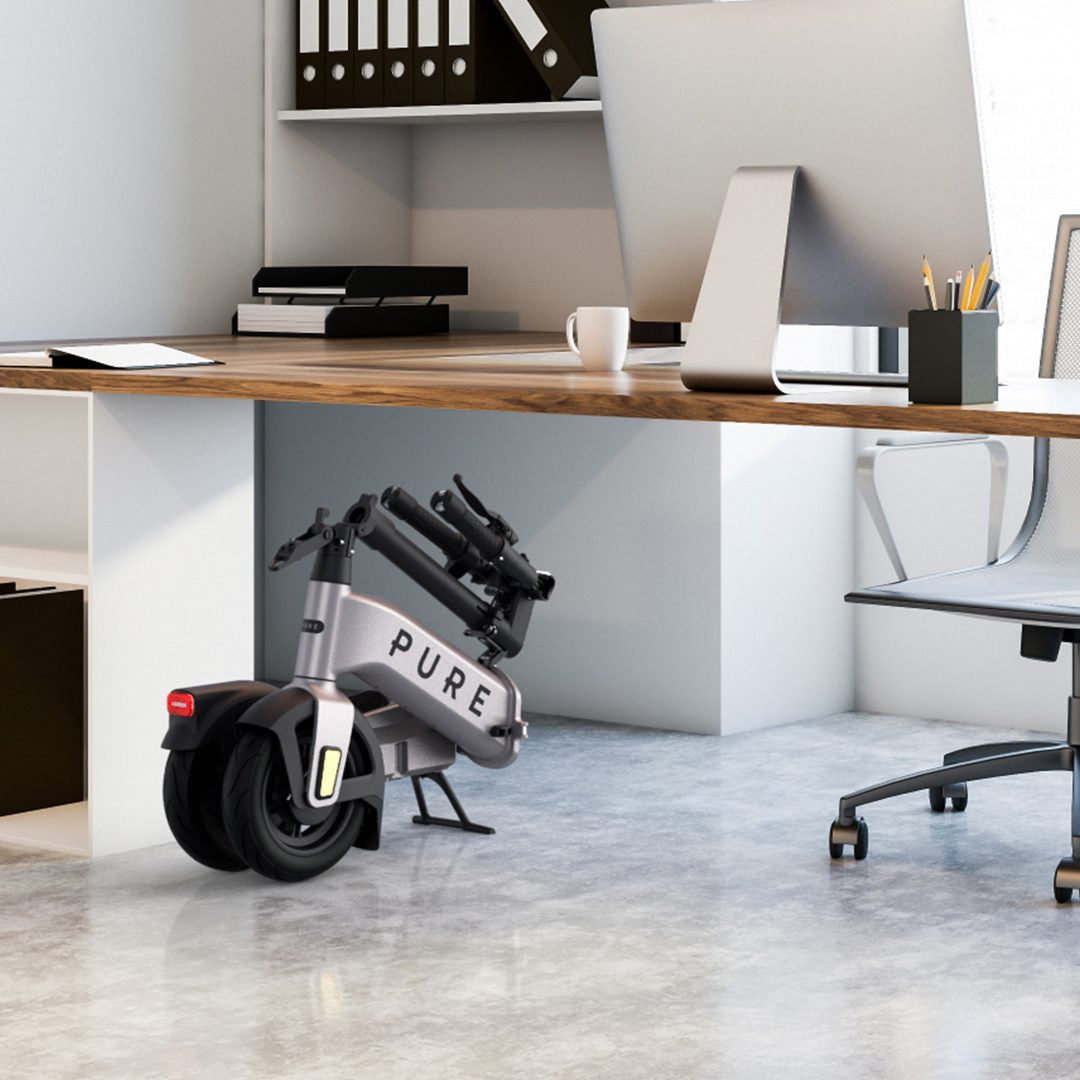
Portability separates scooters from bicycles and motorcycles. Most models fold within seconds. You can carry them upstairs, store them under a desk, or keep them inside a small apartment.
This portability eliminates:
- Theft concerns from outdoor parking
- Storage challenges in tight urban spaces
- Dependence on bike racks
If you live in a small apartment or work in a shared office, a scooter fits seamlessly into your routine.
However, weight matters. Some high-powered scooters weigh over 40 pounds. Carrying them daily may feel tiring. Always check weight before purchasing.
Safety Considerations
Safety remains one of the biggest concerns for potential riders.
Electric scooters feel less stable than bicycles due to smaller wheels. Potholes, uneven pavement, and wet surfaces increase risk. You must stay alert at all times.
To improve safety:
- Wear a helmet
- Use front and rear lights
- Avoid high speeds in crowded areas
- Check tire pressure regularly
Many cities now provide bike lanes, which create safer paths for scooter riders. Infrastructure strongly influences the overall riding experience.
You should also check local laws. Some cities restrict where scooters can operate. Others require speed limits or age restrictions.
Responsible riding reduces risks significantly.
Weather and Seasonal Limitations
Electric scooters perform best in dry conditions. Rain reduces traction and increases braking distance. Snow and ice create serious hazards.
Cold weather can also reduce battery performance. You may experience shorter range during winter months.
If your city experiences extreme seasonal changes, you may need alternative transportation during part of the year.
Scooters work best in mild to moderate climates with reliable infrastructure.
Comfort and Physical Effort
Scooters require minimal physical exertion. You stand upright and control acceleration with a throttle. Commuters who arrive at work without sweat appreciate this feature.
However, longer rides may cause foot fatigue since you stand continuously. Suspension systems and pneumatic tires improve comfort, but cheaper models often lack these features.
For daily trips under 20 minutes, most riders find scooters comfortable and efficient.
Comparing Scooters to Other Options
Let’s briefly compare electric scooters with common alternatives.
Vs. Cars
- Lower cost
- No parking fees
- Faster in dense areas
- Limited protection from weather
Vs. Bicycles
- Less physical effort
- Easier storage
- Shorter range
- Less stability on rough roads
Vs. Public Transit
- Greater flexibility
- No waiting times
- Higher upfront cost
- Limited use during storms
Each option serves a different lifestyle. Scooters excel in short, flexible city travel.
Who Should Consider an Electric Scooter?
Electric scooters work best for:
- Urban residents with short commutes
- Students navigating campuses
- Remote workers running local errands
- People who combine transit with last-mile travel
If your daily travel stays under five miles and your city supports micromobility, you will likely benefit from owning one.
If you travel long suburban distances or frequently face harsh weather, you may find limitations frustrating.
Final Verdict: Are They Worth It?
Electric scooters offer real value for city travel. They save time, reduce commuting costs, and simplify short-distance movement. They also support sustainable urban living.
However, they do not suit every environment or lifestyle. Weather, infrastructure, and distance all influence the experience.
If your city supports bike lanes and you commute short distances, an electric scooter can transform your daily routine. You gain independence from traffic and public transit schedules. You also enjoy a fun and efficient way to move through your neighborhood.
For many urban dwellers, electric scooters absolutely justify the investment.